Burst & Frozen Pipe Repair
Safe professional thawing and permanent repair — never an open flame, and always a check for the second weak joint.
Learn more
Artisan Water Group
A leak you can see is an inconvenience. A leak you cannot see is what rots a rim joist, grows mold behind a finished basement wall, and shows up as a water bill that doubled for no reason.
Need this handled today? Call and a real person answers — nights, weekends and holidays included. You get the price before we start.
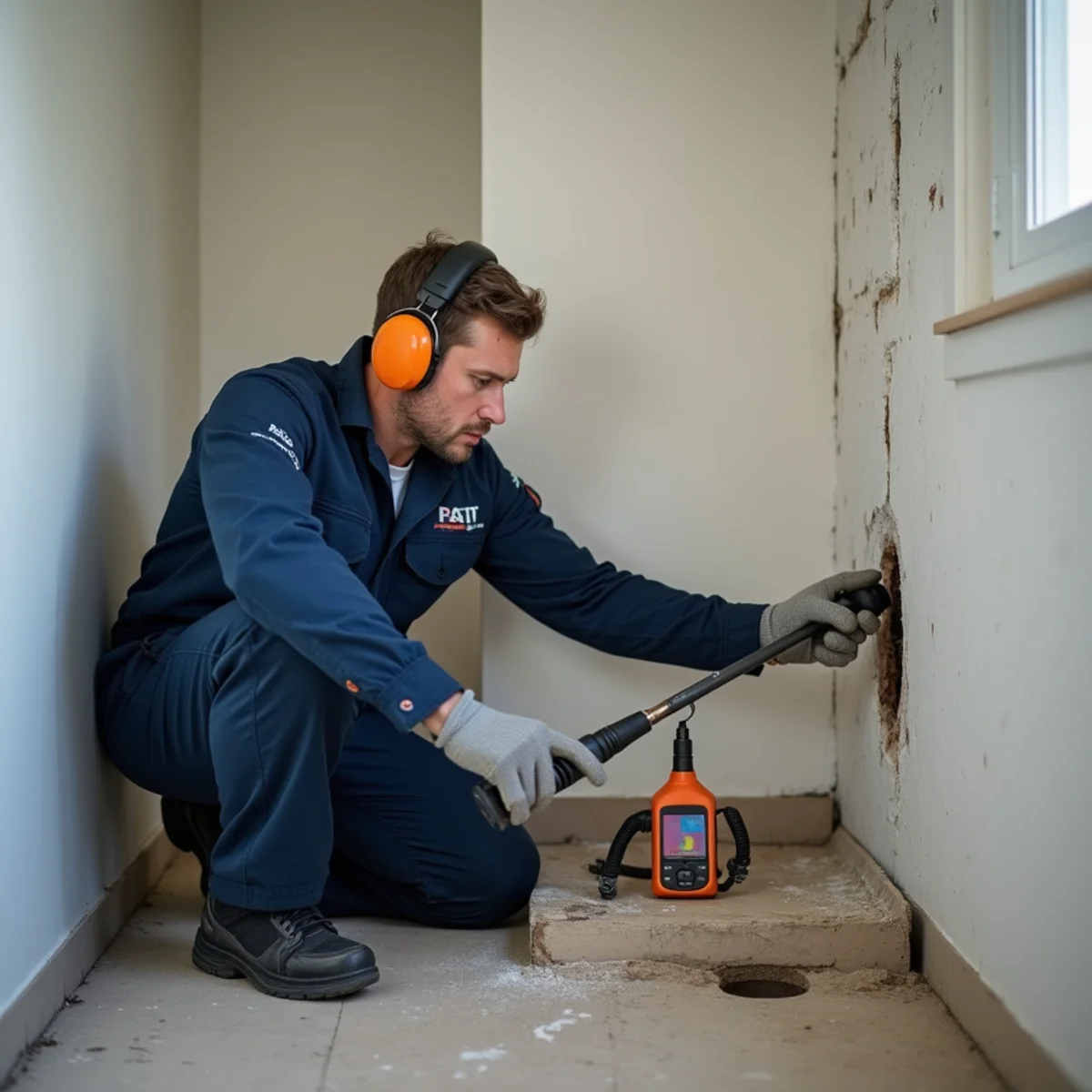
We find leaks without demolishing your house to do it. Acoustic listening equipment, thermal imaging, moisture meters and line pressure testing narrow a leak to a spot before anyone cuts drywall. When we do open something up, it is a small hole in the right place instead of a large one in a hopeful place.
Burst pipes are the other half of this work, and in McHenry County they cluster in January. An exterior wall run, an uninsulated crawl space, a hose bib somebody forgot to disconnect in November — the ice forms, expands, and splits the pipe. Often the split does not reveal itself until the thaw, which is why the worst water damage calls come on the first warm day after a cold snap.
Hidden leaks leave evidence. You just have to know where to look for it.
Same household, same habits, much bigger number. The classic tell for an underground service line leak or a toilet that runs silently.
Shut every fixture in the house and watch the meter's low-flow indicator. If it creeps, water is going somewhere. This is the single best five-minute test a homeowner can run.
Persistent damp odor in a basement, a closet, or near a bathroom wall means moisture is feeding something. Air fresheners buy time; they do not fix it.
Discoloration on a ceiling below a bathroom, paint lifting off drywall, or a floor that gives slightly underfoot. All of them mean water has been there a while.
In homes with under-slab piping, a hot water line leak warms the floor above it. Pets often find it before people do.
If you have to wait for pressure to recover, or the well pump or pressure tank cycles with no fixture open, there is a loss somewhere in the system.
The goal is always the same: locate it precisely, then repair it once.
We close sections of the plumbing one at a time and watch pressure to determine whether the loss is on the supply side, in the service line, in the water heater, or at a fixture.
Acoustic equipment hears water escaping under pressure through drywall, slab and soil. Thermal imaging shows temperature anomalies from hot water leaks. Moisture meters map how far the water has traveled.
We do not open anything until two methods agree on the location. The whole point of proper detection is minimal demolition.
A neat access hole in the right spot, cut so it can be patched cleanly, rather than a wide exploratory demolition.
For a single failure, a correct coupling or a replaced section. For copper showing multiple pinholes on the same run, we will tell you honestly that the run is thinning and patching it is throwing money at a pipe that is going to keep failing.
We bring the system back up slowly and verify the repair holds. Then we tell you truthfully whether the affected area needs professional drying or whether a fan and a dehumidifier will handle it.
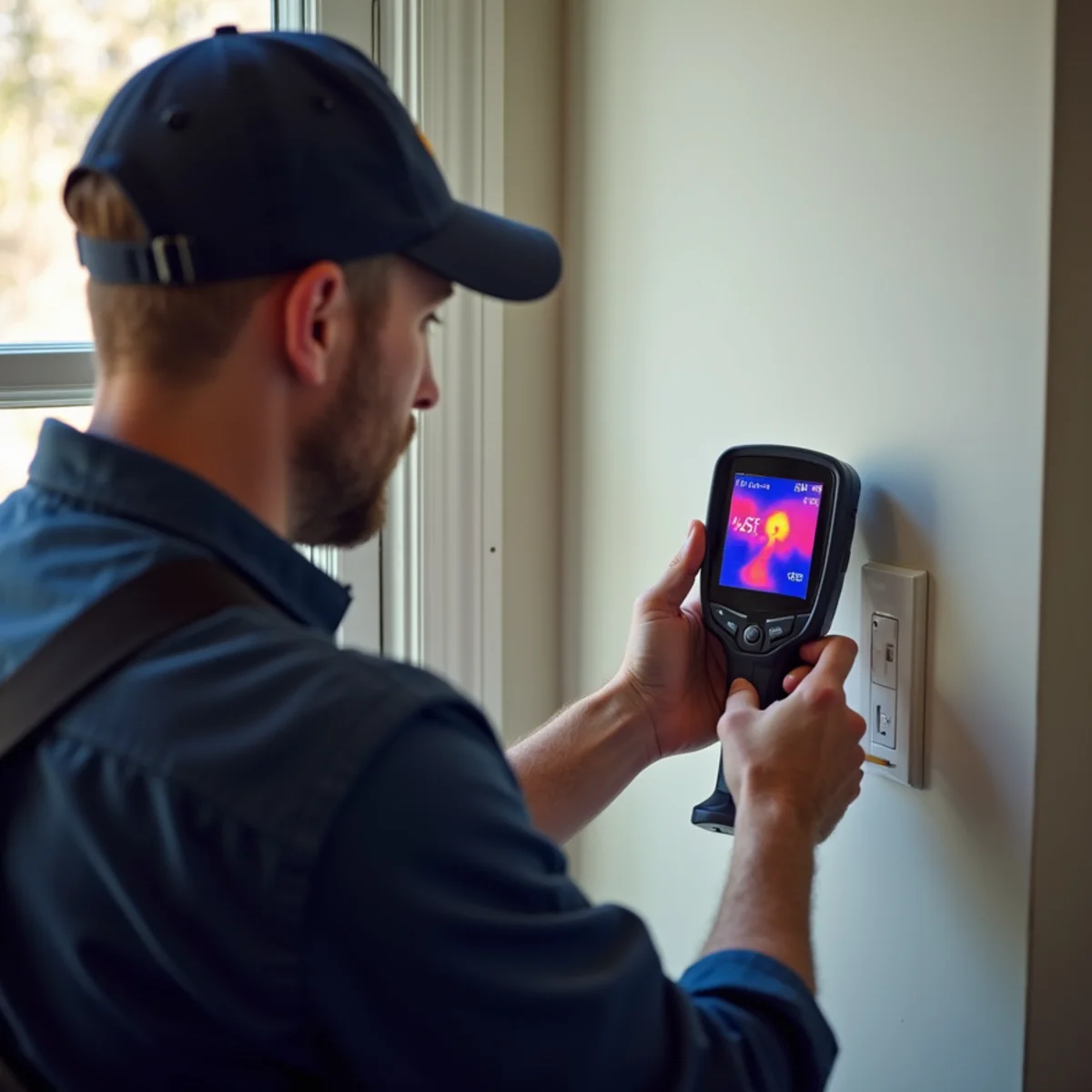
Shut off every fixture and appliance in the house that uses water. Then go and watch the low-flow indicator on your water meter — the small triangle or dial that spins on very low flow.
If it moves at all over fifteen minutes, water is going somewhere. That single test catches underground service line leaks, silently running toilets and slab leaks long before any of them show up as visible damage, and it is the reason we ask about it on the phone before scheduling anything.
If the leak turns out to be a freeze split rather than a slow failure, that is a different job — see burst and frozen pipe repair for how we handle those.
Copper is a good material, and most of it in this area is doing fine. But when copper starts producing pinholes, it usually is not a one-time defect.
Pinholes come from the inside out — from water chemistry, high velocity in undersized pipe, or turbulence at fittings scouring the protective interior layer. Once one appears on a run, others on the same run are typically thinning at similar rates. That is why we count them. One pinhole in an otherwise sound system is a coupling. Three in the same run over eighteen months is a run that wants replacing.
The honest math is easy: three separate service calls plus three drywall patches usually costs more than replacing the run once. If your house is heading that direction, our whole-home repiping page covers what a planned replacement looks like.
WiFi leak sensors are inexpensive and genuinely effective. Put one under each sink, behind the toilet, next to the water heater, at the washing machine, and in the sump pit. They text you at the first cup of water instead of the first hundred gallons.
Automatic shutoff valves go a step further. They install on the main, monitor flow patterns, and close the water when they see something that looks like a burst rather than a shower. For anyone who travels, has a second home, or simply does not want to find out about a failure from the ceiling, they are one of the best plumbing investments available.
Neither replaces knowing where your main shutoff is and being able to turn it. If yours is stiff, painted over, or you are not certain you could find it in the dark, that is worth fixing on an ordinary Tuesday rather than discovering during an emergency.
Detection and repair are priced separately for a reason — until we know where it is, nobody can honestly price the fix.
If we cannot find the leak, we tell you that instead of guessing and charging you for exploratory demolition.
Shut off every fixture and appliance that uses water, then watch the low-flow indicator on your water meter for fifteen minutes. If it moves at all, you have a leak. An unexplained jump in your water bill is the other reliable signal.
Usually, yes. Acoustic listening equipment, thermal imaging and pressure isolation locate most leaks before anything is opened. When we do cut, it is a small access hole at a confirmed location rather than exploratory demolition.
Shut off the main immediately, then kill power to any circuit the water has reached if you can do it safely from a dry spot. Photograph everything before you start cleaning up — your insurer will ask — then call us. Stopping the source comes before drying anything.
Repeated pinholes on the same run mean the pipe is thinning from the inside, typically from water chemistry or high velocity in undersized pipe. Patching individual holes on a run that is failing is usually more expensive over two years than replacing the run once.
Sudden and accidental damage is generally covered; damage from a slow leak that went unaddressed generally is not. We document the failure with photographs and a written description of the cause you can give directly to your adjuster.
Often needed together
These come up on the same houses more often than not.
Safe professional thawing and permanent repair — never an open flame, and always a check for the second weak joint.
Learn moreLocate a leak under concrete without demolishing the floor — then repair, reroute or line it, whichever costs you least.
Learn moreCopper and PEX repipes for galvanized and failing systems — planned in phases so your water is back on every night.
Learn moreWorth reading first
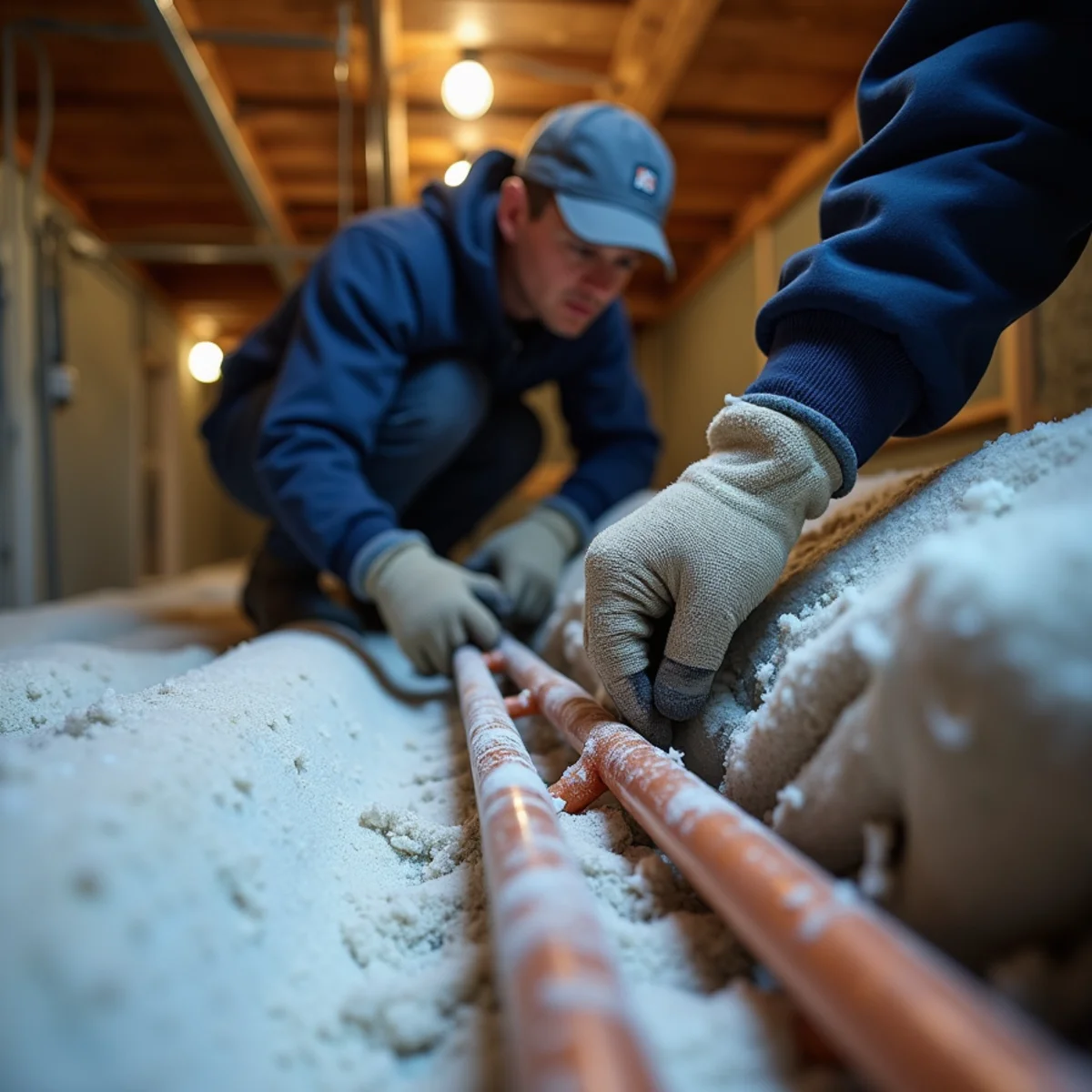
Frozen pipe calls cluster in January and the damage usually appears on the first warm day. Here is how to make sure you are not one of them.
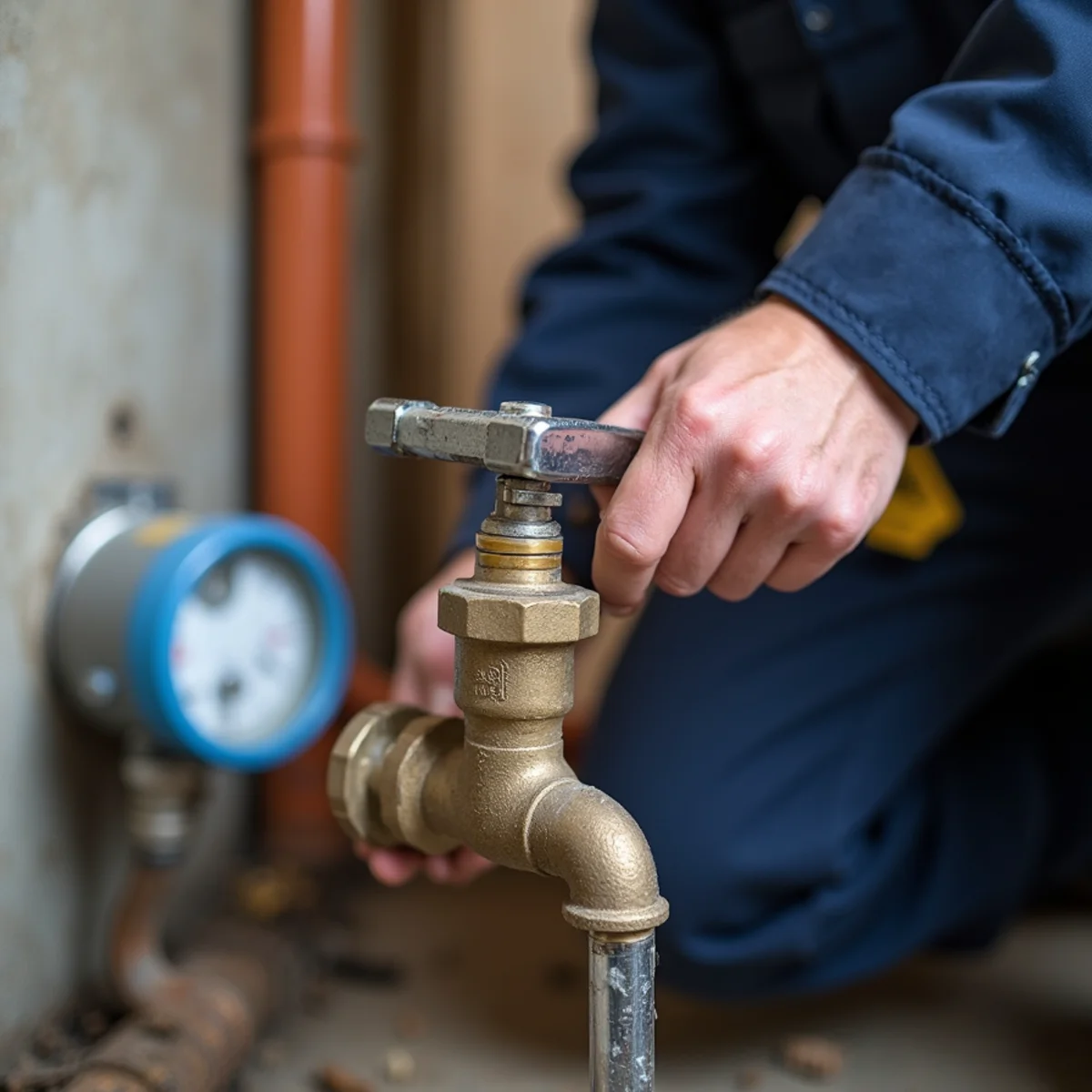
The five minutes between a pipe failing and the water stopping determine whether you have a repair or a remediation. Here is how to win those five minutes.
Leak Detection & Repair
Call and talk to the person who will do the work. Free written estimates on non-emergency leak detection & repair, and a price before we start on anything urgent.
Tell us what is going on and we will get back to you with a straight answer. No obligation, no pressure.
5.0 from 11 Google reviewsLicensed & insuredFree written estimates
Our online form is not taking submissions just yet.
Please call (207) 419-2600 instead — a real person answers, nights and weekends included, and we can usually sort it faster on the phone anyway.
We are a licensed, insured, owner-operated shop based on Pine Street in Lake in the Hills. That means the person quoting the job is the person doing it, and nobody here is measured on how much they sold you.
Every recommendation starts with the water. At 26–28 grains per gallon, our supply is roughly six times harder than the national average, and it is the single biggest factor in how long anything in your plumbing lasts. Fixing the symptom without addressing that is how you end up calling someone again in two years.
And when a permit is required — water heaters, sewer work, gas piping — we pull it and show the fee on its own line. Ask every plumber you talk to for the same. Read more in our guide to plumbing permits in McHenry County.