Hydro Jetting
High-pressure water that scours the pipe wall back to full diameter — the fix for lines that keep clogging after cabling.
Learn more
Artisan Water Group
There are two completely different problems that both look like a slow drain, and telling them apart saves you money.
Need this handled today? Call and a real person answers — nights, weekends and holidays included. You get the price before we start.
The first is a local clog — hair and soap in a shower branch, grease in a kitchen line, something a child put down a toilet. One fixture is slow, everything else is fine, and a cable clears it in under an hour.
The second is a main line problem, and it behaves differently: multiple fixtures slow at once, a basement floor drain that burbles when the washing machine drains, a toilet that bubbles when you run the tub. In Lake in the Hills that is often mineral scale narrowing the pipe over years, sometimes combined with roots at a joint. Cabling punches a hole through it and buys you a few months. Hydro jetting scours the pipe wall back to full diameter and buys you years.
The pattern of what is slow tells us where the problem is before we open anything.
A branch line clog. Hair and soap scum in bathrooms, grease and food in kitchens. Straightforward cable work, usually a single visit.
The problem is downstream where those branches meet — the main. This is the one not to ignore, because the next stage is water on the basement floor.
Air being pulled through a partially blocked line or a blocked vent. It is the sound of a system that cannot breathe, and it usually precedes a backup.
The lowest opening in the house is where a blocked main pushes water out. Stop using water immediately and call — every flush adds to it.
A dry trap, a blocked vent, or a cracked line. All three need diagnosis rather than air freshener.
If the same line clogs every few months, cabling is treating the symptom. Something structural — scale, a belly in the pipe, roots, or a bad slope — is causing it, and a camera will show which.
The method depends entirely on what is in the pipe, which is why we look first.
We run fixtures to map what is slow and what is not. That narrows the problem to a branch or the main before any equipment comes off the truck.
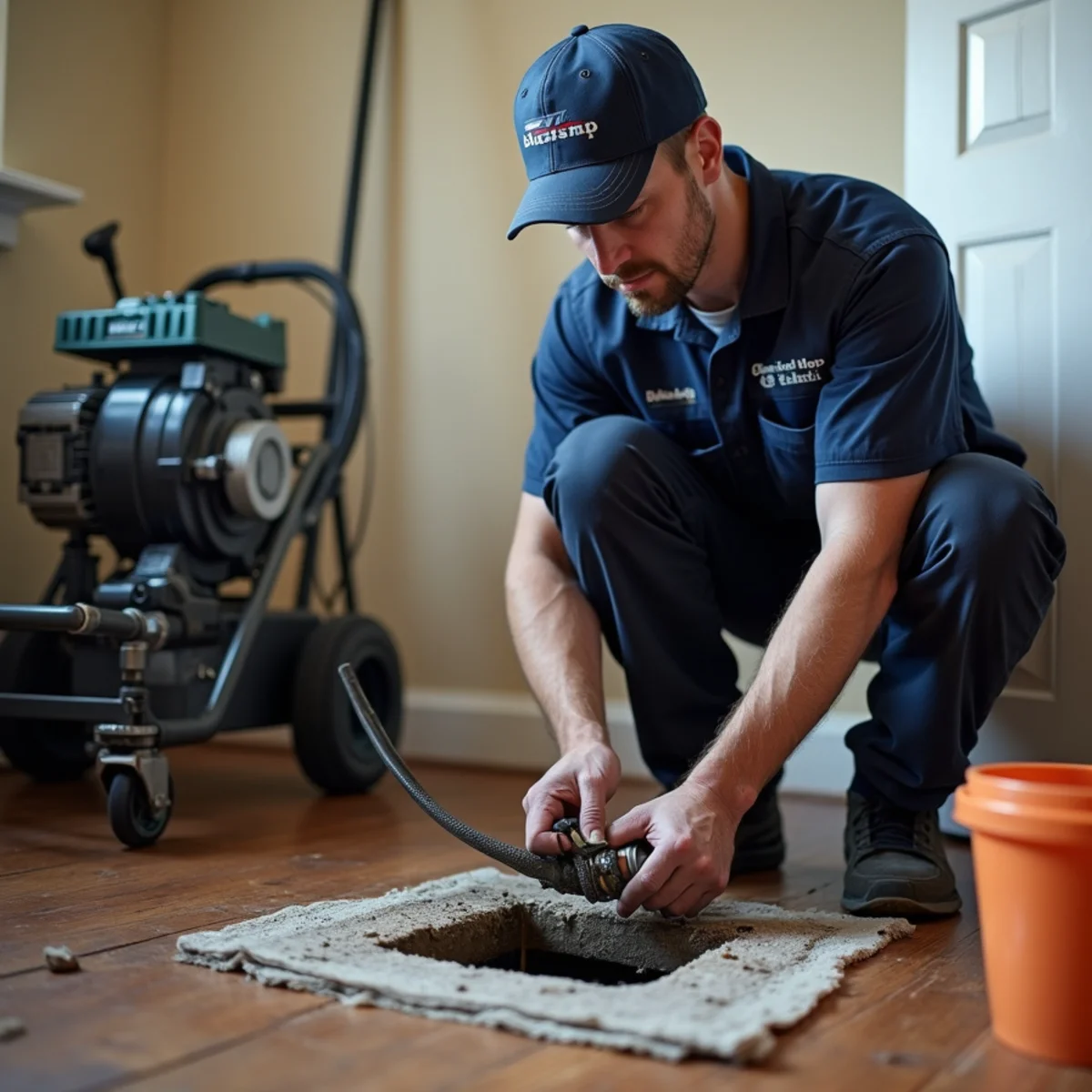
Through a cleanout wherever one exists. Pulling a toilet or removing a trap arm when a cleanout is available is unnecessary mess and unnecessary labor.
The right cutter head for the pipe size and the material in it. For most branch clogs this is the whole job — fast, clean, and effective.
Repeat clogs, whole-house symptoms, or anything in an older main gets a camera. We record it, and you watch the screen with us. Mineral scale, root intrusion, a belly and a crack all look completely different, and they need different fixes.
High-pressure water on a rotating head cuts scale and grease off the pipe wall and flushes the debris downstream. Unlike a cable, it restores the pipe's full inside diameter.
We re-camera after jetting to confirm the line is clean, then tell you plainly whether this is now maintained, or whether the pipe itself needs [sewer line repair](/services/sewer-line-repair-lake-in-the-hills).
This is not a general preference. It is specific to Lake in the Hills water, and it is the single most expensive DIY mistake we see.
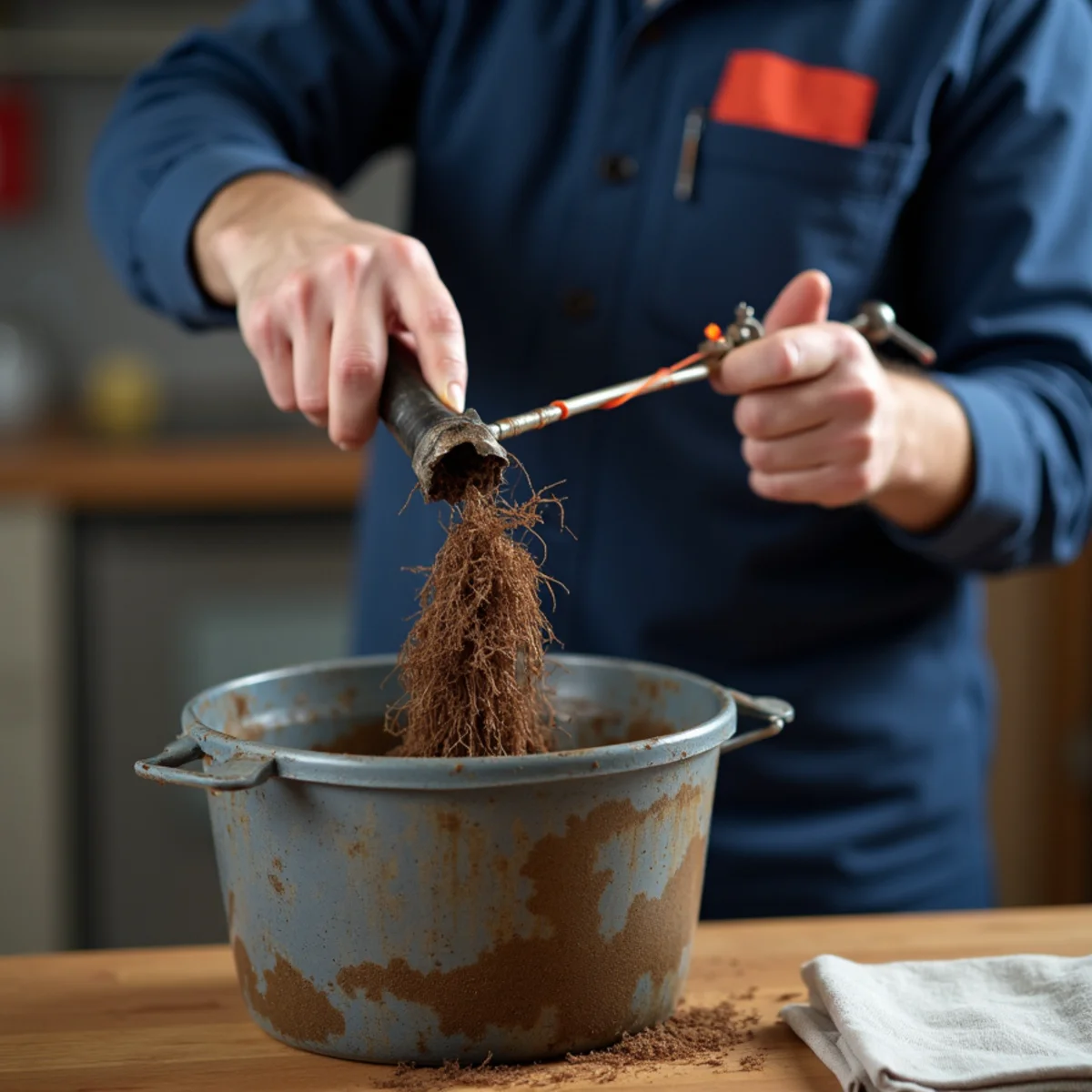
Caustic drain chemicals are formulated to dissolve organic material — hair, grease, food. Our drain lines carry a heavy mineral load, and over years that mineral deposits as scale on the pipe wall. When caustic chemical meets mineral scale and standing water in a partially blocked line, it can set into a dense plug that neither cable nor chemistry will move easily. We have spent hours on lines that were a twenty-minute job before the second bottle went down.
There is also the safety side. That chemical sits in the trap, and the next person to open the line — you with a plunger, or us with a cable — gets it splashed back. If a drain is slow, use a plunger, a hand auger, or call. Give the chemicals a miss.
Cabling is the right tool for most clogs and it is what we reach for first. What it cannot do is remove buildup coating the pipe wall — it bores a channel through the blockage, water flows again, and the line gradually closes back down.
That is why a drain which clogs every few months is telling you something a third cabling will not fix. On a line coated in mineral scale and kitchen grease, hydro jetting scours the wall back to full diameter and buys you years instead of months.
We will tell you which one your drain needs, and we will not upsell a jetting when a cable solves it.
Grease is the enemy in kitchens. It goes down warm and liquid, then cools and coats the pipe. Wipe pans with a paper towel before they hit the sink and pour cooking oil into a can rather than the drain.
Hair catchers in every shower and tub. They cost a few dollars and prevent most bathroom clogs outright.
Nothing but toilet paper goes down a toilet — flushable wipes are not flushable, and they are the leading cause of ejector pump failures in basements. And once a month, run hot water down each drain for a full minute; on a kitchen line, follow it with a pot of very hot (not boiling) water to move any grease that has started to set.
The honest spread between a simple cable job and a full jetting is wide, and it comes down to these.
We quote before we start, and if a cable clears it we do not upsell you into a jetting you did not need.
It depends on whether it is a branch line or the main, whether there is an accessible cleanout, and whether cabling will do it or the line needs jetting. We give you the number before we start and we do not upsell a jetting when a cable solves it.
Hydro jetting uses high-pressure water to scour the inside of the pipe back to full diameter. You need it when a line has mineral scale or grease coating the walls — usually the case if the same drain clogs repeatedly. For a one-off hair clog, a cable is the right tool.
Because cabling clears a channel but leaves the buildup on the pipe wall, so the line closes again. Repeat clogs are also a classic sign of a structural problem — a belly, a root intrusion, or a bad slope. A camera inspection answers it in ten minutes.
Not in sound pipe. In a fragile older clay line or a pipe with an existing crack, high pressure can make things worse — which is why we camera older systems before jetting instead of after.
Stop running water anywhere in the house immediately — every flush and every load of laundry adds to what comes up — and call. Water coming out of the lowest drain means the main line is blocked, not a single fixture.
Often needed together
These come up on the same houses more often than not.
High-pressure water that scours the pipe wall back to full diameter — the fix for lines that keep clogging after cabling.
Learn moreA recorded look inside your lateral, watched on the monitor with you — the only honest basis for a sewer repair quote.
Learn moreDisposals, dishwasher hookups, sink drains and ice maker lines — the kitchen plumbing that fails at the worst time.
Learn moreWorth reading first
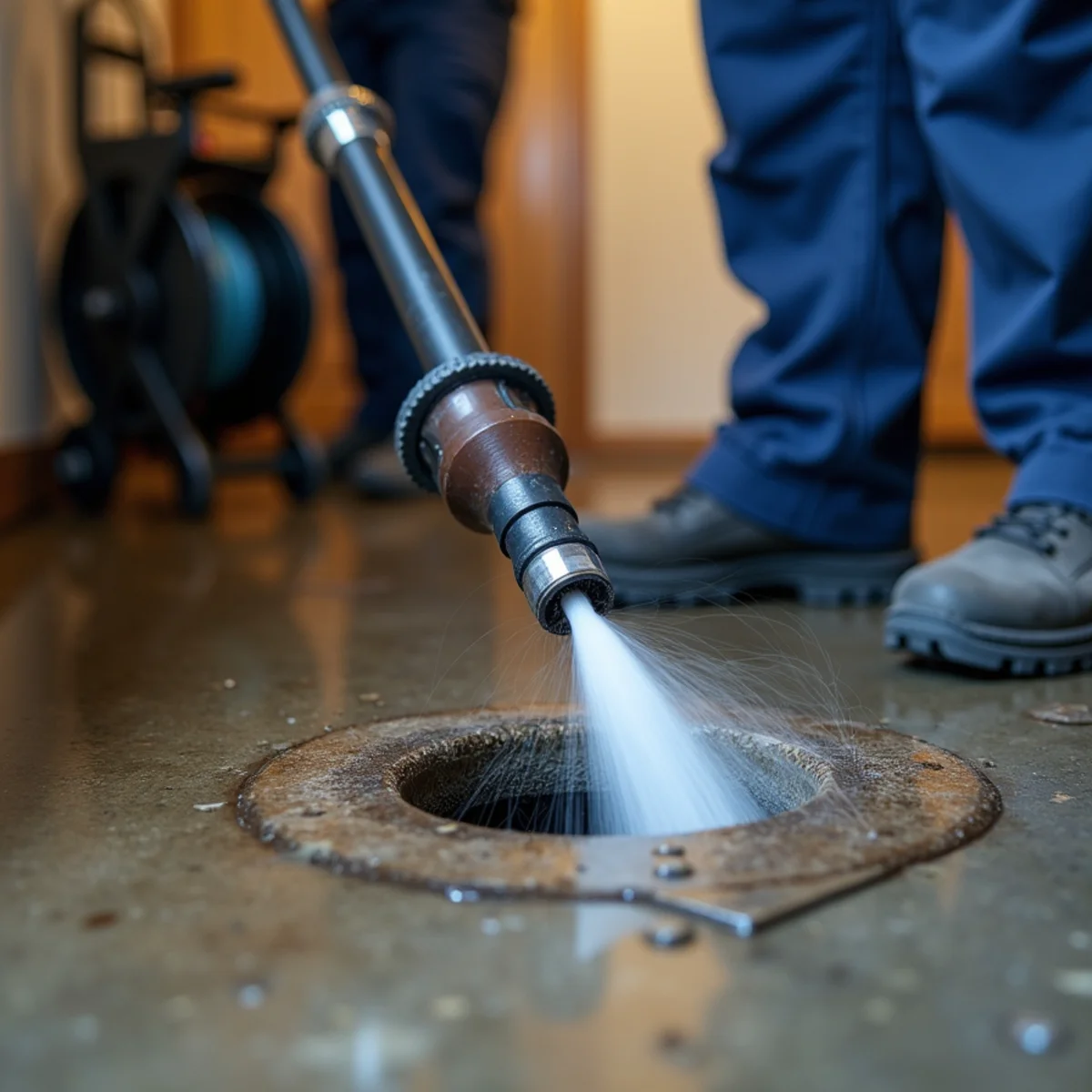
A cable bores a hole through a blockage. A jetter cleans the pipe wall. Knowing the difference tells you why some drains keep clogging.
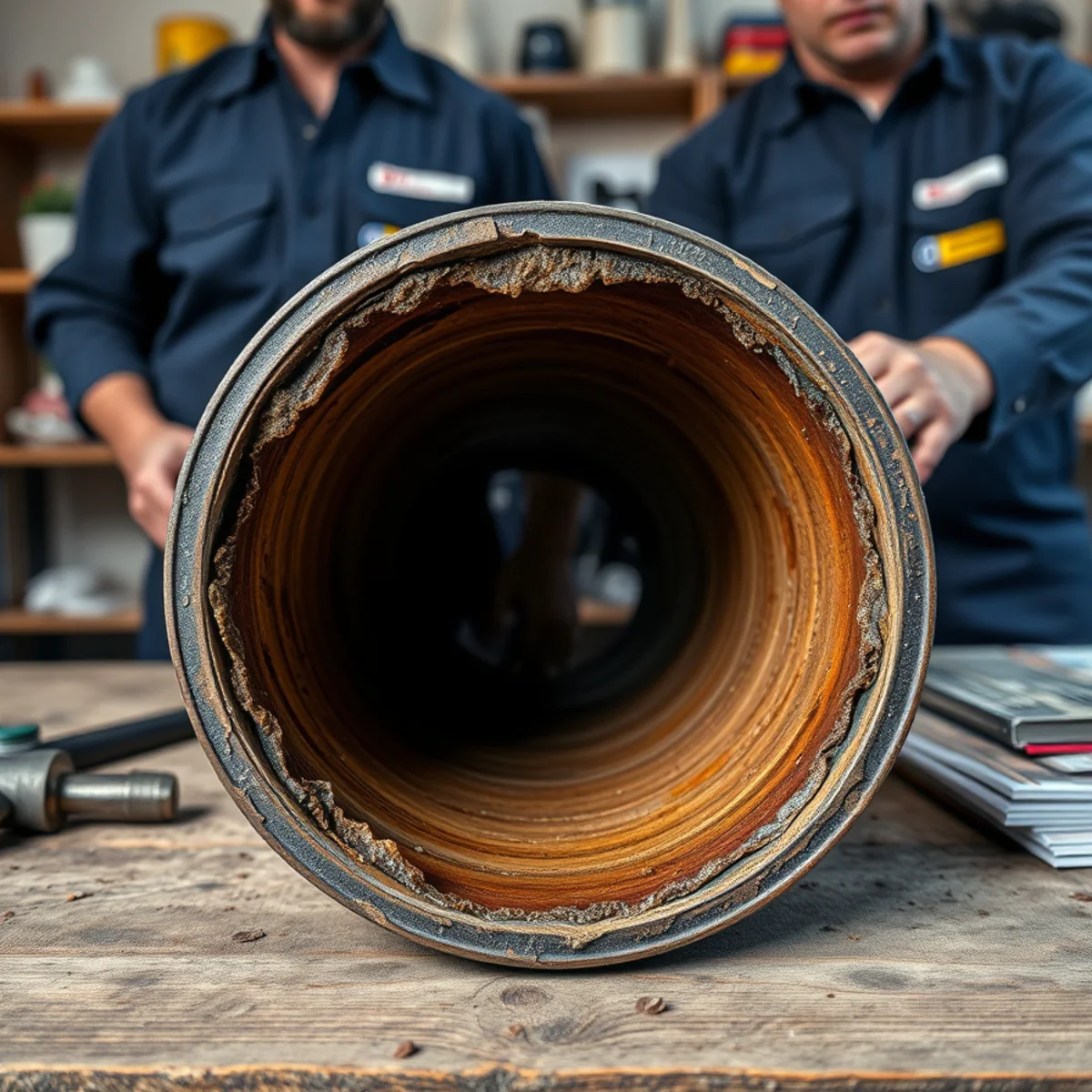
A drain that clogs once is a clog. A drain that clogs every few months is a symptom — and clearing it again is treating the wrong thing.
Drain Cleaning & Unclogging
Call and talk to the person who will do the work. Free written estimates on non-emergency drain cleaning & unclogging, and a price before we start on anything urgent.
Tell us what is going on and we will get back to you with a straight answer. No obligation, no pressure.
5.0 from 11 Google reviewsLicensed & insuredFree written estimates
Our online form is not taking submissions just yet.
Please call (207) 419-2600 instead — a real person answers, nights and weekends included, and we can usually sort it faster on the phone anyway.
We are a licensed, insured, owner-operated shop based on Pine Street in Lake in the Hills. That means the person quoting the job is the person doing it, and nobody here is measured on how much they sold you.
Every recommendation starts with the water. At 26–28 grains per gallon, our supply is roughly six times harder than the national average, and it is the single biggest factor in how long anything in your plumbing lasts. Fixing the symptom without addressing that is how you end up calling someone again in two years.
And when a permit is required — water heaters, sewer work, gas piping — we pull it and show the fee on its own line. Ask every plumber you talk to for the same. Read more in our guide to plumbing permits in McHenry County.