24/7 Emergency Plumbing
A real person answers, a licensed plumber rolls, and you get the price before any work starts — nights, weekends and holidays included.
Learn more
Artisan Water Group
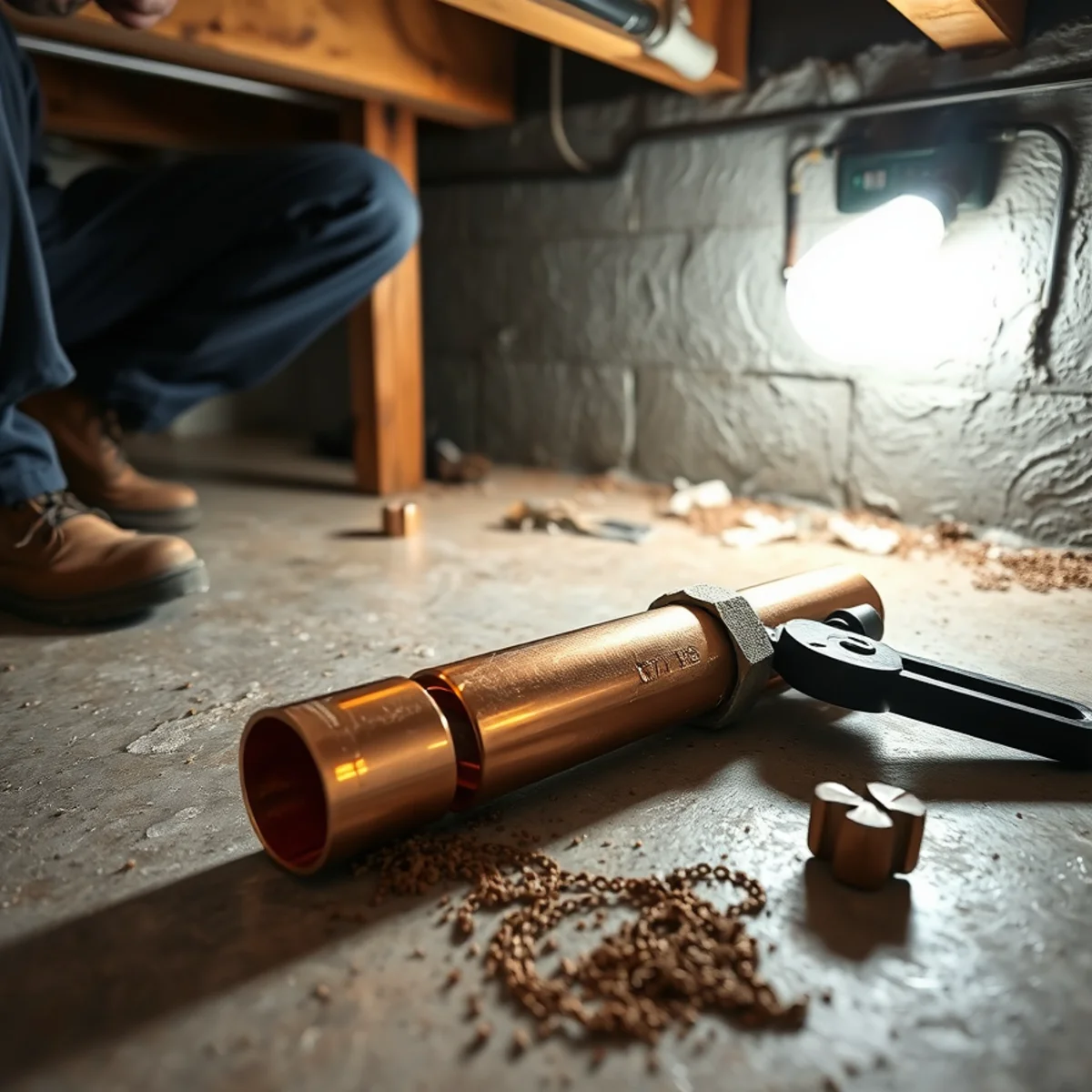
Water expands about nine percent when it freezes and it does not care what is containing it. Copper splits. Galvanised cracks at the threads. PEX often survives, but not always.
Need this handled today? Call and a real person answers — nights, weekends and holidays included. You get the price before we start.
The cruel part is the timing. The split happens while the line is frozen and no water is flowing, so nothing appears wrong. Then the thaw arrives, pressure returns, and the failure reveals itself — frequently while the house is empty. That is why our worst water damage calls come on the first warm day after a cold snap rather than during it.
We thaw frozen lines with controlled professional equipment, repair splits properly, and — importantly — check the rest of the run before we leave. A pipe cold enough to freeze in one spot was cold enough to weaken others.
Telling these apart changes what you should do in the next five minutes.
Classic frozen line. The ice is in the branch serving that fixture. Open the tap so melting water has somewhere to go, and call before pressure builds behind the plug.
In January this is usually the main frozen at its coldest point — often where it enters through the foundation. How fast it gets thawed determines whether you get a repair or a replacement.
A pipe cold enough to frost on the outside is at or below freezing inside. That is your warning shot.
Copper often distends before it splits. A visible swelling in a run means that section is compromised even if it has not opened yet.
The split was already there. Shut the main immediately — the leak is only going to grow as the ice clears.
A hose left connected in the fall traps water in the bib. The split is usually behind the siding where you cannot see it, and it only shows when you turn the spigot on in April.
There is a right way to do this and several dangerous ways. We only do the first.
On the phone, before we are even on the road, we help you find and close the main. Everything else is secondary to that.
Thermal imaging and simple physics — exterior walls, unheated crawl spaces, rim joists, cantilevers over garages. We narrow it before opening anything.
Professional pipe thawing equipment or controlled indirect heat, worked from the fixture end back toward the blockage so melt water can escape. Never an open flame — that is how frozen pipe calls become house fire calls.
This is the step that gets skipped. Ice rarely forms in exactly one spot. We check the full cold run for bulges and hairline splits before putting pressure back on it.
A cut-out and a new section with proper fittings, not a clamp. If the run shows multiple weak points, we will tell you plainly that replacing the run beats patching it three times.
Insulation, air sealing at the rim joist, heat trace where appropriate, or rerouting the line into conditioned space. Repairing the split without addressing why it froze just books next January's appointment.
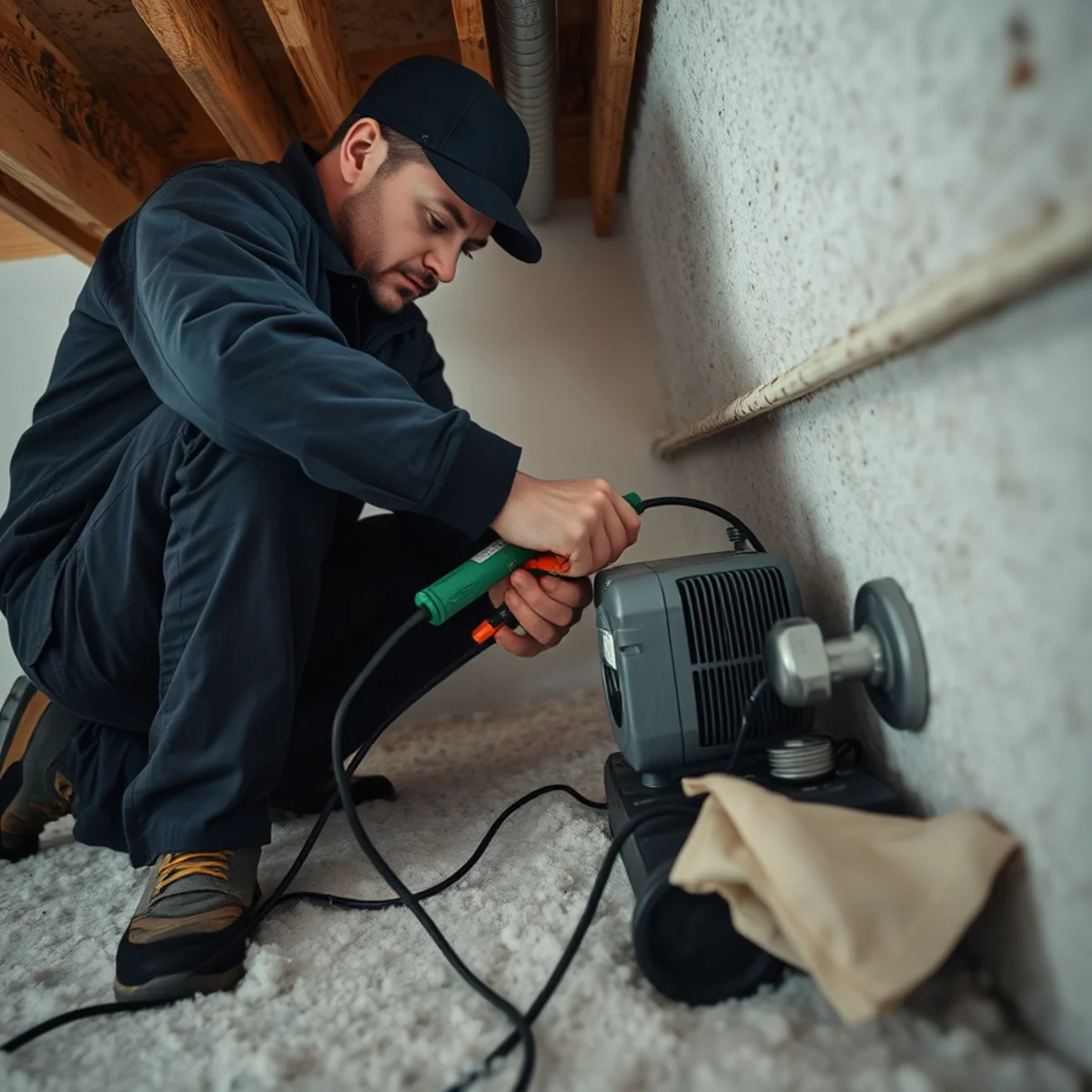
Freeze failures are not random. In this housing stock they cluster in the same places every single January.
If a line is frozen but has not burst: open the faucet it serves so melting ice has somewhere to go and pressure can escape. Open cabinet doors under sinks on exterior walls. Do not apply a torch, a heat lamp against framing, or an unattended space heater shoved into a joist bay.
If a line has already burst: shut the main, then kill power to affected circuits at the panel if — and only if — you can reach the panel from a dry spot. Open the lowest faucet in the house to drain remaining pressure out of the pipes above.
Then photograph everything before you start cleaning up. Sudden and accidental water damage is generally a covered claim; reconstructing the scene for an adjuster after you have mopped is much harder than it sounds. Our guide on how to shut off your water in an emergency is worth reading on a calm day rather than a cold one.
The repair itself is often the smaller part. Access is usually the bigger one.
Emergency price is confirmed before any work starts. Non-emergency prevention work — insulating vulnerable runs before winter — is quoted free.
Often, yes. Accessible runs thaw with controlled equipment directly. A line inside an exterior wall can usually be reached through a small access hole rather than a full tear-out. What we will not do is use a torch.
Pipes in unheated or poorly insulated space start being at real risk below about 20°F, and the risk climbs sharply below 10°F — especially with wind, which strips heat from exterior walls far faster than still air.
Not necessarily. Ice can distend copper without opening it, leaving a weakened section that fails weeks later. We inspect the full run before repressurising, and that is exactly why.
Sudden and accidental damage is generally covered; damage from a slow leak or from a house left unheated may not be. We provide photographs and a written cause-of-loss description for your adjuster.
Disconnect hoses in the fall, insulate accessible runs in unheated space, seal air leaks near pipes at the rim joist, and during a hard cold snap open cabinet doors and let a pencil-lead-thin stream run. We do the prevention work as a scheduled autumn visit.
Often needed together
These come up on the same houses more often than not.
A real person answers, a licensed plumber rolls, and you get the price before any work starts — nights, weekends and holidays included.
Learn moreFind the hidden leak before you open the wall — acoustic, thermal and pressure diagnostics, then a proper repair.
Learn moreFrost-free replacements, split-bib repairs and fall winterisation — the small job that prevents a spring wall leak.
Learn moreWorth reading first
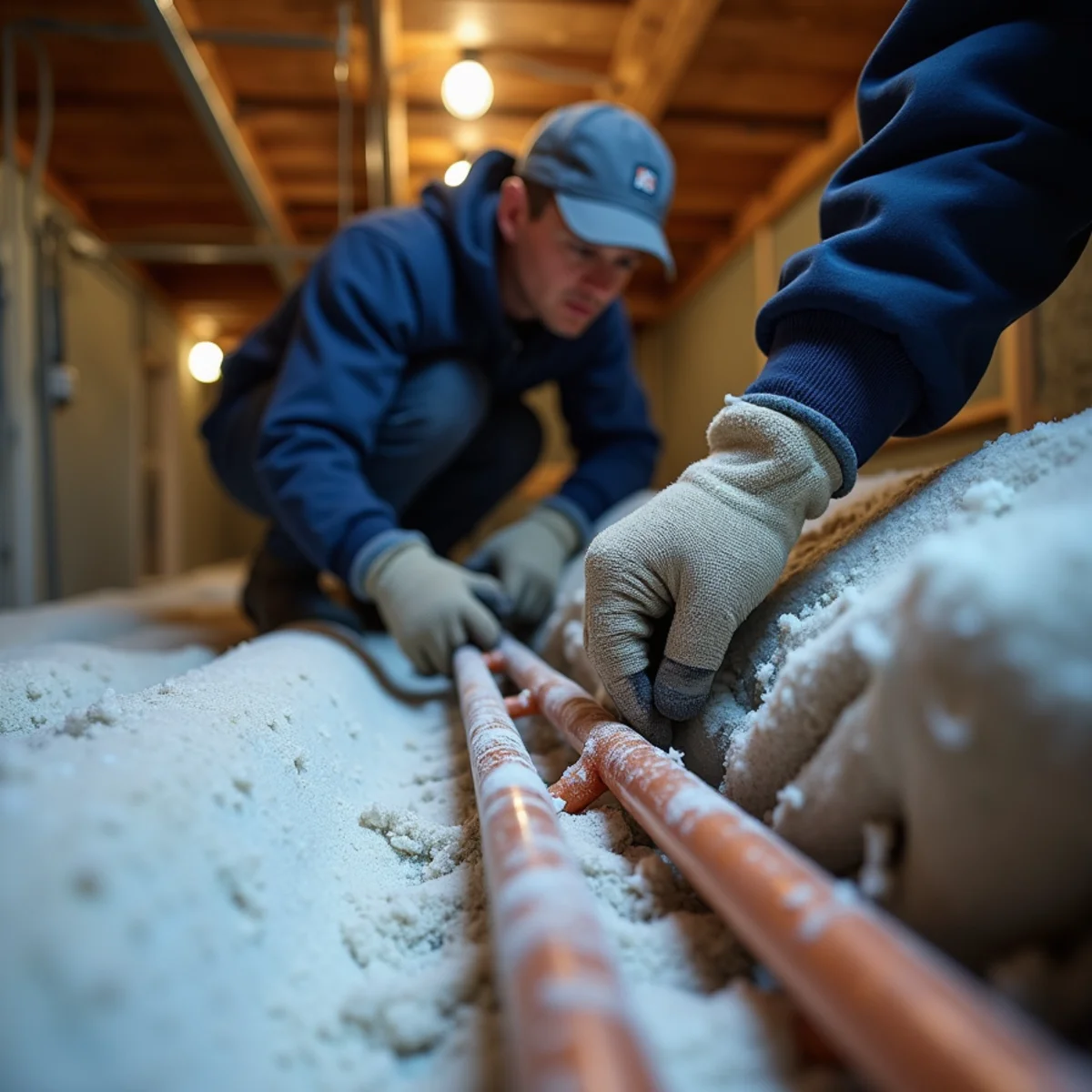
Frozen pipe calls cluster in January and the damage usually appears on the first warm day. Here is how to make sure you are not one of them.
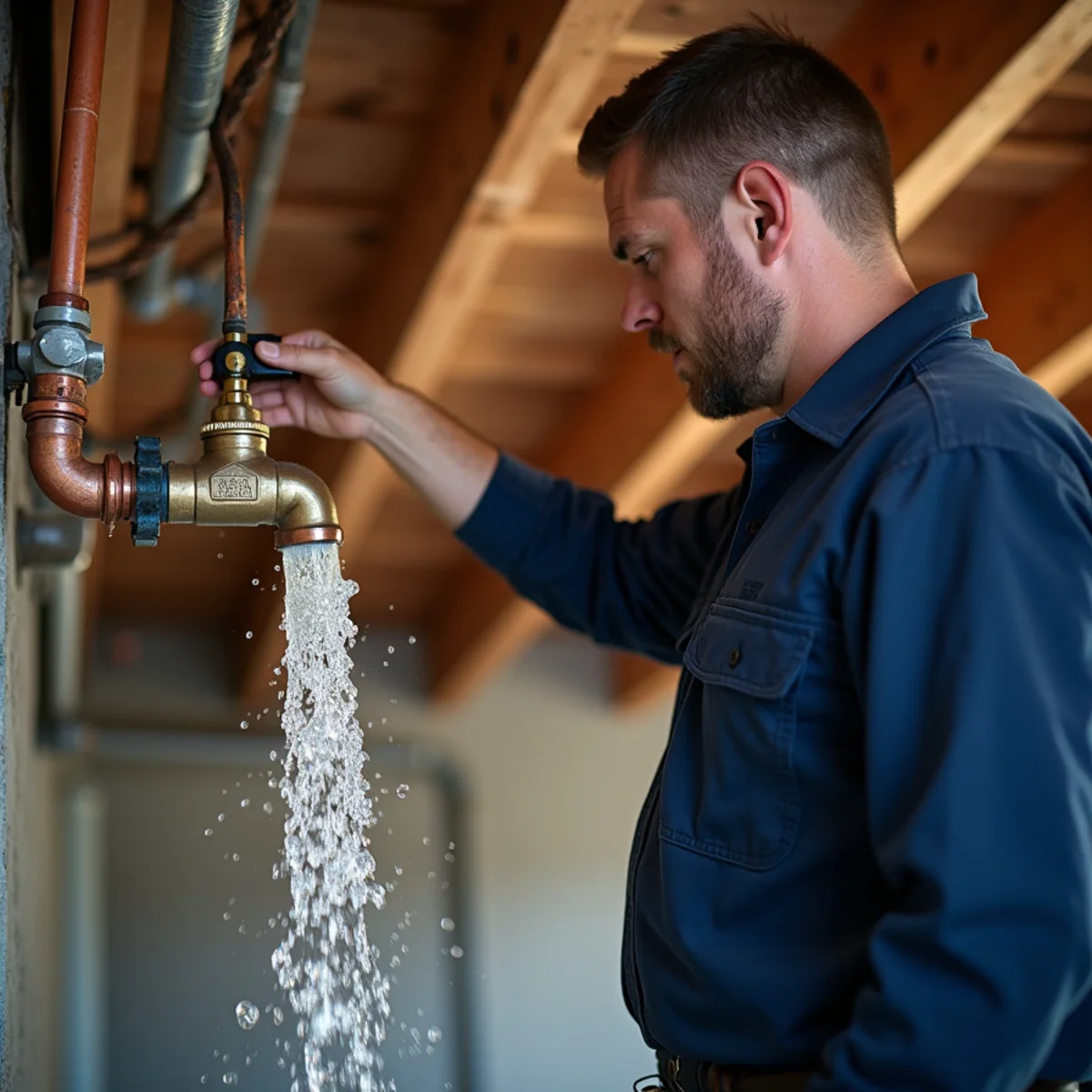
A half-inch line at household pressure moves several gallons a minute. What you do in the first five minutes matters more than anything a plumber does afterward.
Burst & Frozen Pipe Repair
Call and talk to the person who will do the work. Free written estimates on non-emergency burst & frozen pipe repair, and a price before we start on anything urgent.
Tell us what is going on and we will get back to you with a straight answer. No obligation, no pressure.
5.0 from 11 Google reviewsLicensed & insuredFree written estimates
Our online form is not taking submissions just yet.
Please call (207) 419-2600 instead — a real person answers, nights and weekends included, and we can usually sort it faster on the phone anyway.
We are a licensed, insured, owner-operated shop based on Pine Street in Lake in the Hills. That means the person quoting the job is the person doing it, and nobody here is measured on how much they sold you.
Every recommendation starts with the water. At 26–28 grains per gallon, our supply is roughly six times harder than the national average, and it is the single biggest factor in how long anything in your plumbing lasts. Fixing the symptom without addressing that is how you end up calling someone again in two years.
And when a permit is required — water heaters, sewer work, gas piping — we pull it and show the fee on its own line. Ask every plumber you talk to for the same. Read more in our guide to plumbing permits in McHenry County.