Sump Pump Installation & Battery Backup
Primary pumps, battery backups and WiFi flood sensors — sized for McHenry County spring thaw, not a catalog average.
Learn more
Artisan Water Group
There is a difference between a wet basement and a basement that backs up, and it matters enormously.
Need this handled today? Call and a real person answers — nights, weekends and holidays included. You get the price before we start.
Groundwater seeping in through the drain tile is a sump pump problem. Sewage rising out of the floor drain during a heavy storm is a completely different failure — it means the municipal sewer is surcharged and your basement, being the lowest opening on the line, has become the relief point.
No sump pump prevents that. What prevents it is a device or a re-plumb that stops the sewer main from being able to push water back into your house. Which one you need depends on your fixtures, your lot and how often this has happened.
The distinguishing question is always the same: what is coming up, and where from?
The classic signature. The floor drain is the lowest opening in the house, so a surcharged main pushes there first. That water is coming from the sewer, not the soil.
Groundwater problems build over hours or days. Sewer surcharge happens during the storm itself, when the municipal system is at capacity.
Odour, discolouration or debris means sanitary sewer. That is a health issue as well as a property one and it deserves a permanent fix.
Below-grade fixtures are directly exposed to whatever the main does. If those back up while upstairs fixtures are fine, the direction of flow tells the story.
Multiple houses on a street backing up in the same storm points at the municipal system rather than at anything wrong on your property.
Once is bad luck. Twice is a pattern, and the pattern will continue every time a storm of that size arrives.
This is one of the larger residential plumbing projects, so the assessment matters as much as the installation.
Sewer surcharge, groundwater, or a blocked lateral on your own property? A camera inspection rules out the third before anyone proposes the expensive solutions to the first two.
Floor drains, basement bathroom, laundry, utility sink, and any drain in a lower level. The design has to account for all of them, because whatever is left unprotected becomes the new relief point.
A backwater valve alone, a full flood control system with a valve and an ejector, or a complete overhead sewer conversion. These are very different costs and very different levels of protection.
Permitted, inspected work. We plan the concrete cuts, the routing and the access to minimise both the disruption and the restoration.
Valve and basin set at correct elevations, fixtures rerouted where the design calls for it, and everything sloped and vented properly.
Inspection passed, then we show you where the access cover is and how the valve is checked — because a backwater valve nobody maintains eventually stops working.
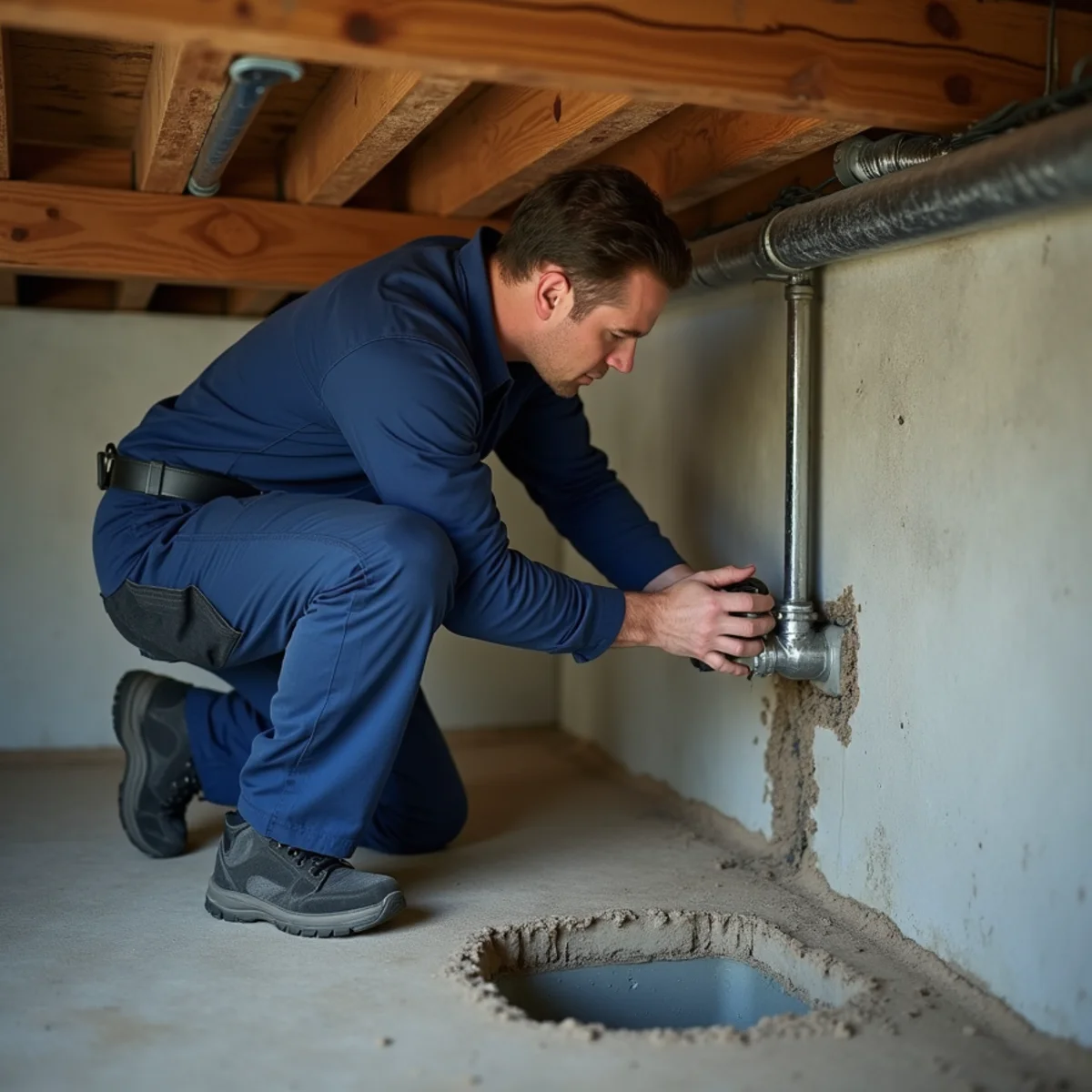
A backwater valve is a one-way flapper installed in the sewer lateral. When flow reverses, it closes and blocks the main from pushing back into the house. It is far less expensive than a conversion and it solves the problem for many homes.
Its limitation is that while it is closed, your house cannot drain either. If the surcharge lasts an hour and nobody flushes anything, that is fine. If the basement has a bathroom in daily use, it is a real constraint — and a valve that is prevented from seating by debris does nothing at all, which is why access and maintenance matter.
An overhead sewer conversion is the thorough answer. Below-grade fixtures are rerouted to drain into an ejector basin, which pumps up to a new sewer line running above the level of the municipal main. Gravity can no longer bring anything back into the basement, because there is no longer a gravity path. It costs considerably more and it is genuinely permanent.
Two factors combine locally, and neither is going away.
First, the soil. Heavy glacial clay sheds water rather than absorbing it, so a heavy rain arrives at the storm and sanitary systems fast and all at once instead of percolating away over hours. Spring is worst, when the ground is already saturated or still partly frozen.
Second, the age of some of the infrastructure. Older neighbourhoods in McHenry, Crystal Lake and the Fox Valley river towns have sewer systems that were sized for a different era, and inflow from cracked laterals and improperly connected downspouts adds volume the system was never meant to carry.
If your basement has backed up more than once, the honest expectation is that it will happen again. A flood control system is what changes that, and it protects finished square footage worth many times its cost.
The range here is wide because the three approaches are genuinely different projects.
Some municipalities offer cost-sharing or rebate programs for flood control installation. We will tell you if we know of one that applies — it is worth asking the Village before you start.
A sump pump removes groundwater arriving from around your foundation. A flood control system stops the municipal sanitary sewer from pushing sewage back into your basement during a surcharge. They solve completely different problems and one does not substitute for the other.
Below-grade fixtures are rerouted to drain into an ejector basin that pumps up to a new sewer line above the level of the municipal main. Because there is no longer a gravity path from the sewer down into your basement, backup becomes physically impossible.
For many homes, yes — particularly where the only below-grade opening is a floor drain. Its trade-off is that while it is closed your house cannot drain either, which matters more in a basement with a bathroom in daily use.
Yes. Debris can prevent the flapper seating, and a valve that cannot close protects nothing. We install with an accessible cover and show you how to check it — annually is a reasonable interval.
Yes. This is sewer work involving excavation and re-plumbing, and it is permitted and inspected. We pull the permit and itemize the fee.
Often needed together
These come up on the same houses more often than not.
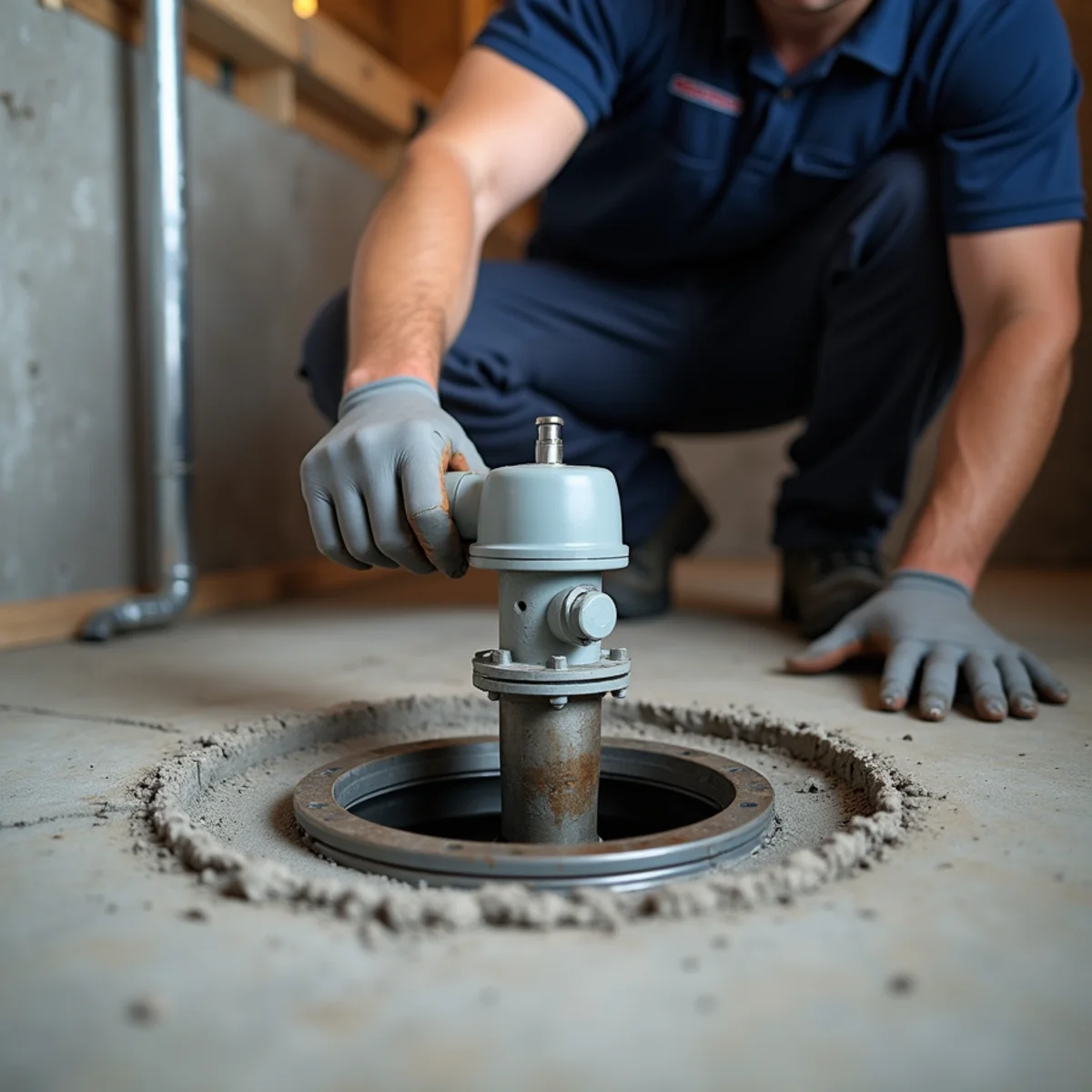
Primary pumps, battery backups and WiFi flood sensors — sized for McHenry County spring thaw, not a catalog average.
Learn moreThe sealed pit that handles waste from a below-grade bathroom — serviced, resealed and vented properly.
Learn moreSpot repairs, section replacement and full laterals — quoted from camera footage you watch with us, never from a guess.
Learn moreWorth reading first
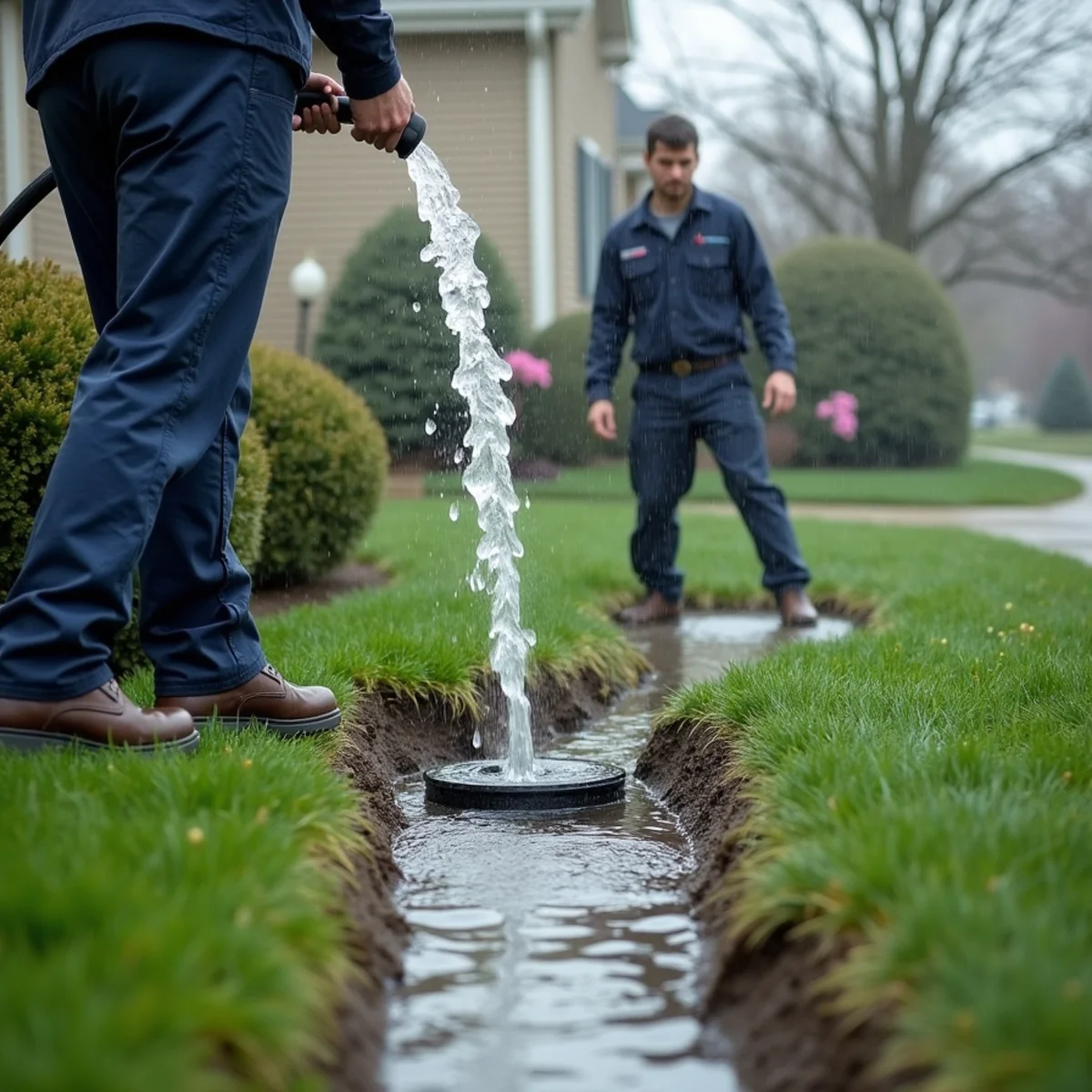
It is not bad luck and it is not one unusually big storm. Basement flooding here follows a predictable annual pattern, which means it can be planned for.
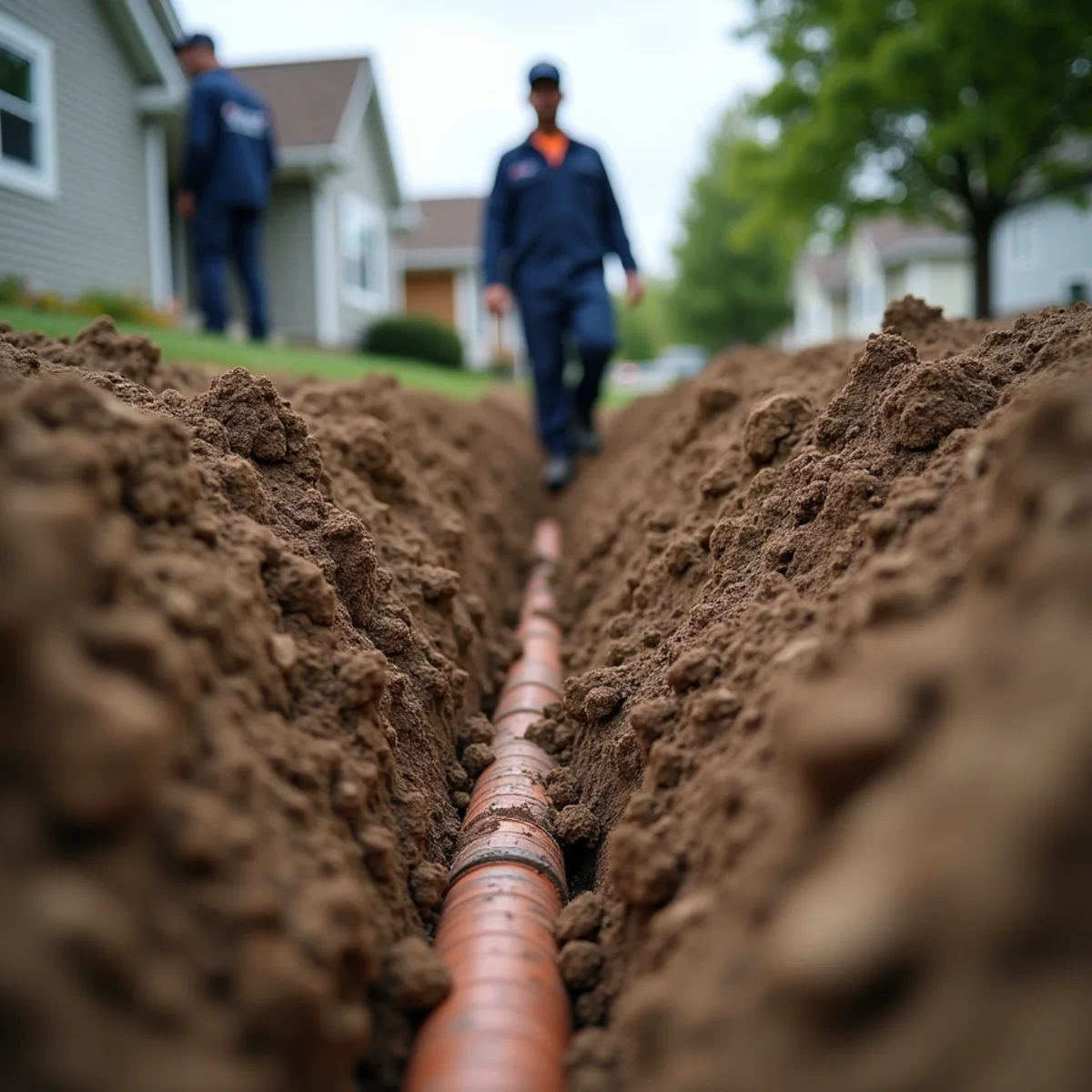
Clay expands when wet and contracts when dry. Do that for sixty years under a jointed pipe and you get the three failures we find most often.
Flood Control & Overhead Sewer
Call and talk to the person who will do the work. Free written estimates on non-emergency flood control & overhead sewer, and a price before we start on anything urgent.
Tell us what is going on and we will get back to you with a straight answer. No obligation, no pressure.
5.0 from 11 Google reviewsLicensed & insuredFree written estimates
Our online form is not taking submissions just yet.
Please call (207) 419-2600 instead — a real person answers, nights and weekends included, and we can usually sort it faster on the phone anyway.
We are a licensed, insured, owner-operated shop based on Pine Street in Lake in the Hills. That means the person quoting the job is the person doing it, and nobody here is measured on how much they sold you.
Every recommendation starts with the water. At 26–28 grains per gallon, our supply is roughly six times harder than the national average, and it is the single biggest factor in how long anything in your plumbing lasts. Fixing the symptom without addressing that is how you end up calling someone again in two years.
And when a permit is required — water heaters, sewer work, gas piping — we pull it and show the fee on its own line. Ask every plumber you talk to for the same. Read more in our guide to plumbing permits in McHenry County.