Sink, Shower & Tub Installation
Shower valves that hold temperature, tubs set level and sealed right, and sinks plumbed so the cabinet below stays dry.
Learn more
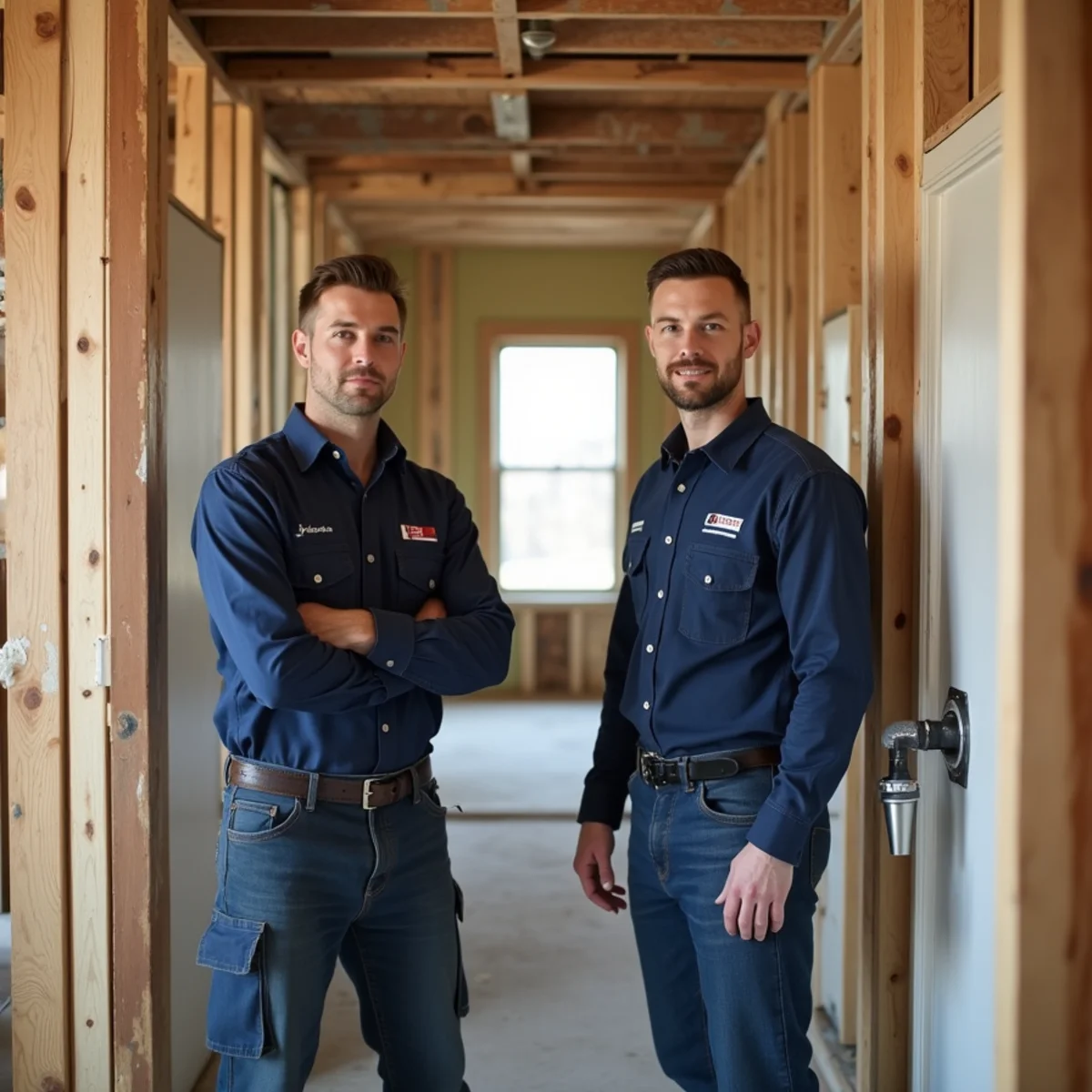
Artisan Water Group
The plumbing is the part of a bathroom remodel that nobody sees and everybody pays for twice when it is done in the wrong order.
Need this handled today? Call and a real person answers — nights, weekends and holidays included. You get the price before we start.
The pattern is familiar. Demolition happens, the tile guy is booked for next week, and only then does someone discover that the new freestanding tub needs a floor-mounted filler, or that moving the vanity two feet means moving a drain that runs through a joist bay you cannot get at, or that the shower system chosen needs more gallons per minute than the existing supply lines can deliver.
We would rather be in the conversation before the demolition. It usually costs nothing at that stage to solve, and there is no better time to fix the things behind the wall than when the wall is already open.
Some of these are obvious. The ones that are not are where the money gets lost.
A toilet, tub, shower or vanity in a new position means relocating drain and supply, and drains need slope and venting. This is the single biggest driver of remodel plumbing cost.
A new bath in a basement, an attic or over a garage is a full rough-in with drain, vent, supply and, below grade, an ejector. It is permitted work from the start.
The drain moves and its position within the framing matters. Planning this before demolition avoids opening a ceiling from below.
Modern multi-outlet shower systems assume supply capacity that a 1970s galvanised system does not have. Better to know now.
This is the cheapest moment in the life of a house to replace an aging shower valve, add a shutoff, or repipe a section. The access is free.
New fixture installations and relocations require a Village permit. A remodel that quietly skipped one surfaces at resale.
Two or three visits, sequenced around your other trades rather than against them.
We look at what is there, where the joists run, where the vent stack is, and what your fixture selections actually require. That conversation is free and it prevents most remodel surprises.
Rough-in dimensions, drain heights, valve types and flow requirements checked against the actual products you have chosen. Better to find a conflict on paper than on install day.
Pulled and scheduled so the rough inspection does not hold up your tile trade. This is the part of scheduling that goes wrong most often on remodels.
Drain, vent and supply run to the new layout, with correct slope on every drain line and proper venting on every fixture. Blocking set for grab bars if they are in the plan.
Inspection passed and photographed before anything closes up. Then we are off the job until your walls and floors are finished.
Trim, fixtures set, toilet on a new wax ring, supply lines connected, everything tested under load and checked dry with a paper towel.

Access is the expensive part of plumbing. When a wall or floor is already open, the marginal cost of doing additional work is a fraction of what it would be as a separate job later.
Adding a bathroom below the level of the main sewer line is the most complex version of this job, and it is worth understanding before you budget.
Because gravity will not carry waste up to the sewer, everything drains into a sealed basin and gets pumped up — that means an ejector pump, a sealed basin cut into the concrete floor, a vent to the roof, and power to the pump. The concrete cutting and the vent routing are frequently the two biggest cost items, and neither is visible in the finished room.
There is also a real conversation to have about backups. A below-grade bathroom is directly exposed to whatever the municipal sewer does during a storm, which is why we often discuss flood control at the same time. Adding a beautiful basement bathroom and then discovering it is the relief point for a surcharged main is a poor outcome.
The single biggest variable is whether fixtures stay where they are.
We quote in writing after a walkthrough, with the visit sequence spelled out so your general contractor or tile setter can plan around it.
If you are moving or adding fixtures, yes — that is new supply and drain work and it requires a Village permit with rough and final inspections. Swapping fixtures in the same positions generally does not.
It depends almost entirely on access. From an unfinished basement below, it is a manageable job. Through a finished ceiling or a concrete slab, considerably more. We can usually tell you which situation you are in during the first walkthrough.
Twice at minimum. Once for rough-in after demolition and framing, before walls close and before the rough inspection. Then again for finish plumbing after tile and cabinets. Ideally a third time — a walkthrough before demolition even starts.
Absolutely, and many people do. Send us the model numbers before you buy so we can check rough-in dimensions and flow requirements against what your house can actually deliver. That ten-minute check prevents the most expensive remodel surprise there is.
Yes. It needs an ejector basin cut into the floor, a pump, a vent to the roof and power. It is the most involved version of a bathroom addition, and it is worth discussing flood control at the same time given what a below-grade fixture is exposed to.
Often needed together
These come up on the same houses more often than not.
Shower valves that hold temperature, tubs set level and sealed right, and sinks plumbed so the cabinet below stays dry.
Learn moreRunning toilets, wax ring leaks, weak flushes and comfort-height upgrades — fixed properly, with the shutoff replaced while we are there.
Learn moreThe sealed pit that handles waste from a below-grade bathroom — serviced, resealed and vented properly.
Learn moreWorth reading first
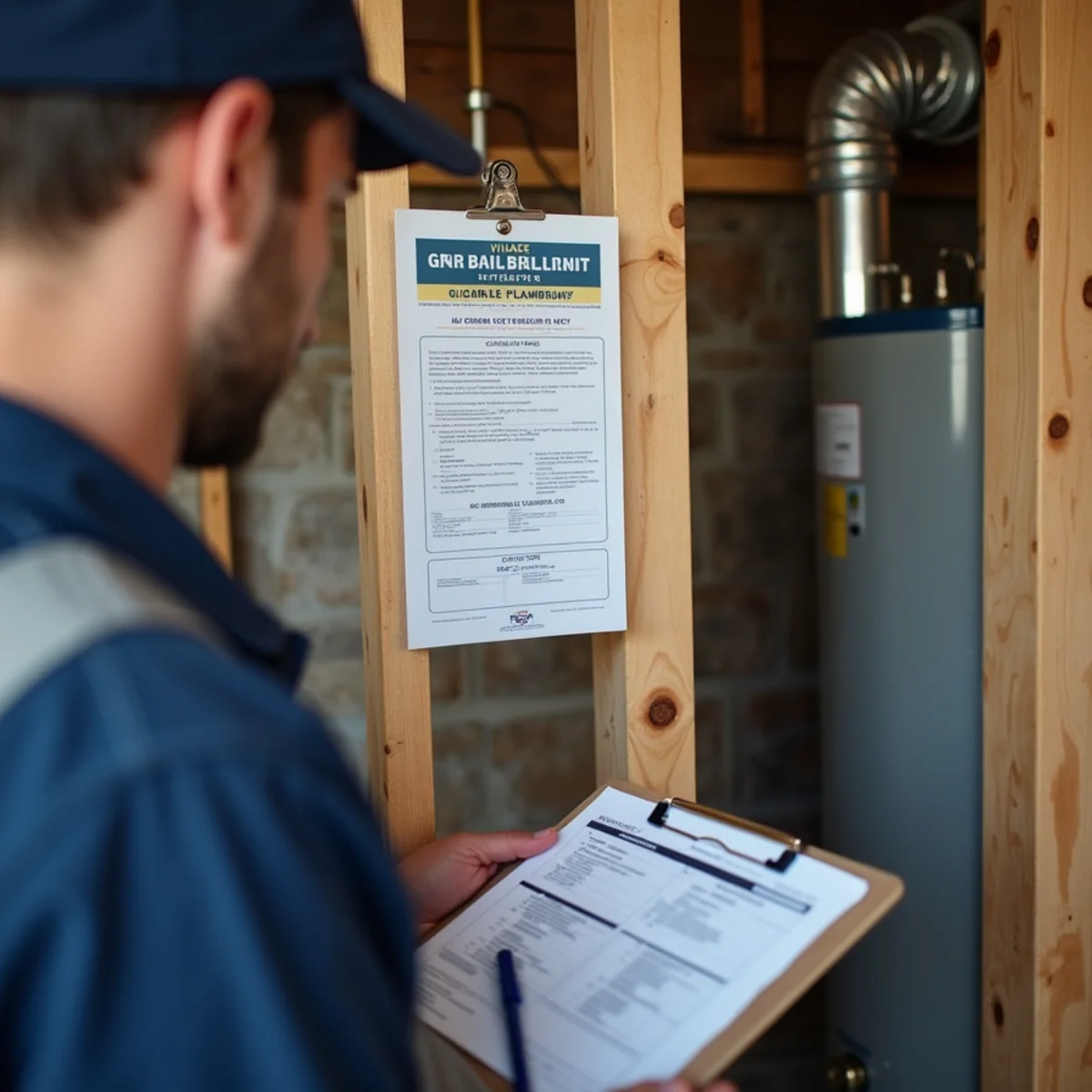
Permits feel like paperwork until you file an insurance claim or sell the house. Here is what actually requires one and why it protects you.
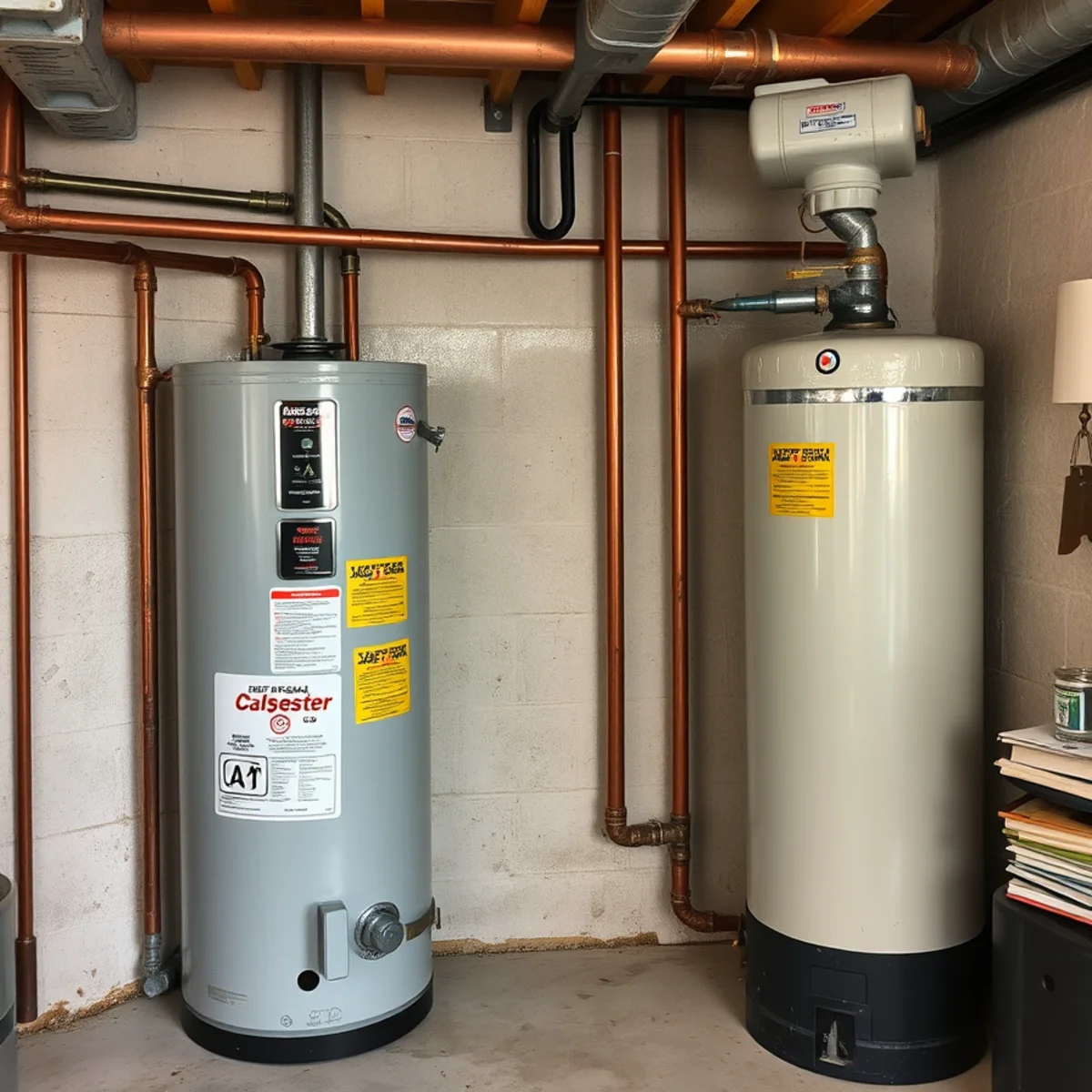
When a whole subdivision goes up in three years, its plumbing ages out in three years too. If your neighbours are replacing water heaters, you are on the same clock.
Bathroom Remodel Plumbing
Call and talk to the person who will do the work. Free written estimates on non-emergency bathroom remodel plumbing, and a price before we start on anything urgent.
Tell us what is going on and we will get back to you with a straight answer. No obligation, no pressure.
5.0 from 11 Google reviewsLicensed & insuredFree written estimates
Our online form is not taking submissions just yet.
Please call (207) 419-2600 instead — a real person answers, nights and weekends included, and we can usually sort it faster on the phone anyway.
We are a licensed, insured, owner-operated shop based on Pine Street in Lake in the Hills. That means the person quoting the job is the person doing it, and nobody here is measured on how much they sold you.
Every recommendation starts with the water. At 26–28 grains per gallon, our supply is roughly six times harder than the national average, and it is the single biggest factor in how long anything in your plumbing lasts. Fixing the symptom without addressing that is how you end up calling someone again in two years.
And when a permit is required — water heaters, sewer work, gas piping — we pull it and show the fee on its own line. Ask every plumber you talk to for the same. Read more in our guide to plumbing permits in McHenry County.