Homeowner Guides
Plumbing Problems in 1990s-Built Lake in the Hills Homes
When a whole subdivision goes up in three years, its plumbing ages out in three years too. If your neighbours are replacing water heaters, you are on the same clock.
Lake in the Hills grew from a small lake community into one of McHenry County's larger villages in a remarkably compressed window, with the bulk of its housing going up between the late 1980s and the early 2000s.
That has an odd consequence that most homeowners never think about. When thousands of houses are built within a few years of each other, by a handful of builders, to a handful of specifications, their plumbing does not fail gradually across a generation. It fails in waves.
So if three houses on your street have replaced water heaters in the last two years, that is not a coincidence and yours is not exempt. It is genuinely useful information.
The good news first
The pipe is generally fine, and that matters because it is the expensive part.
Homes from this era are typically copper supply with PVC drains. Copper resists corrosion well, PVC does not corrode at all, and the sewer laterals are modern sealed pipe rather than the jointed clay tile that causes so much trouble in older neighbourhoods.
Structural plumbing failures — collapsed laterals, whole-house repipes, root intrusion — are comparatively rare in 1990s subdivisions. What you are dealing with is equipment and wear items, which is a much better problem to have.
1. Water heaters, all at once
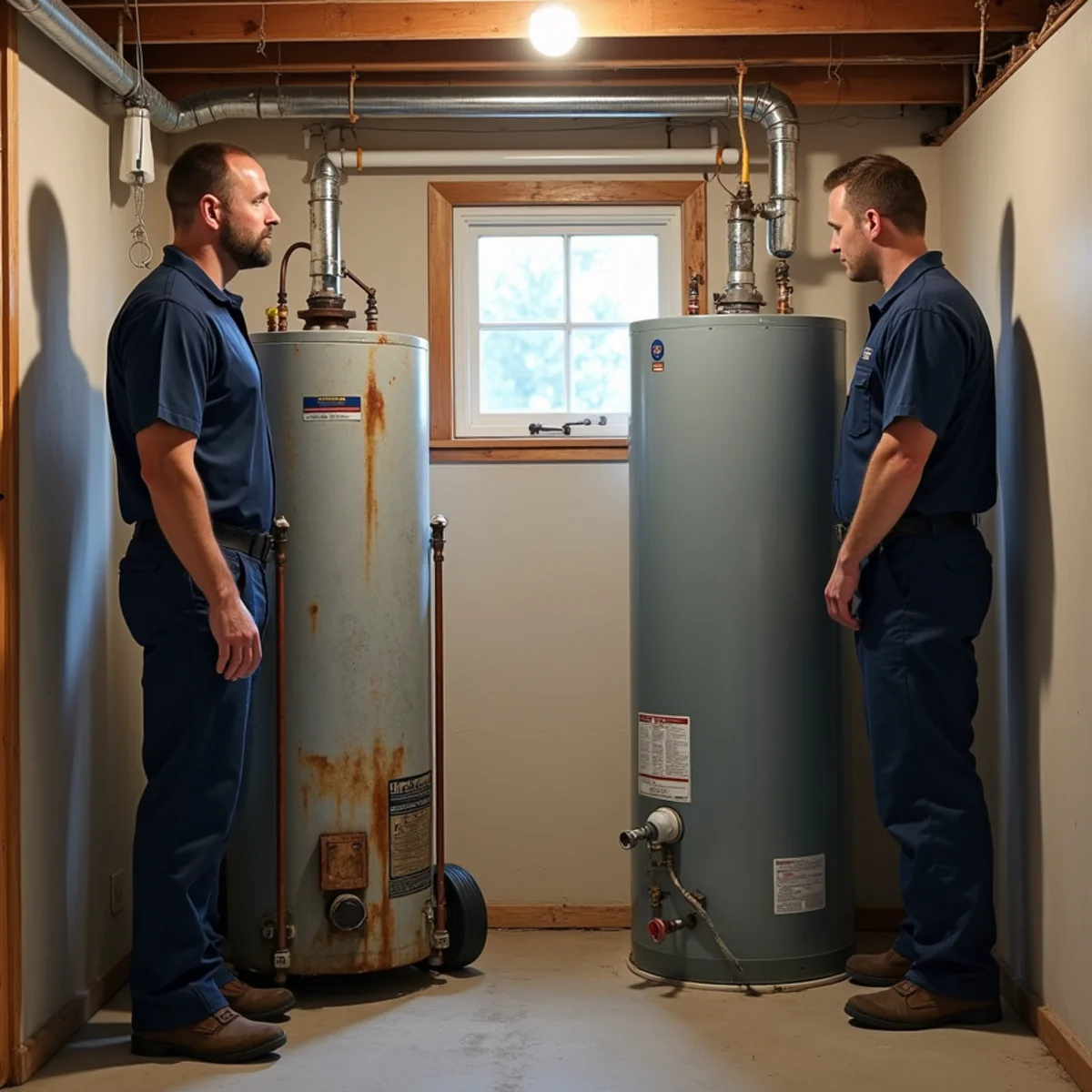
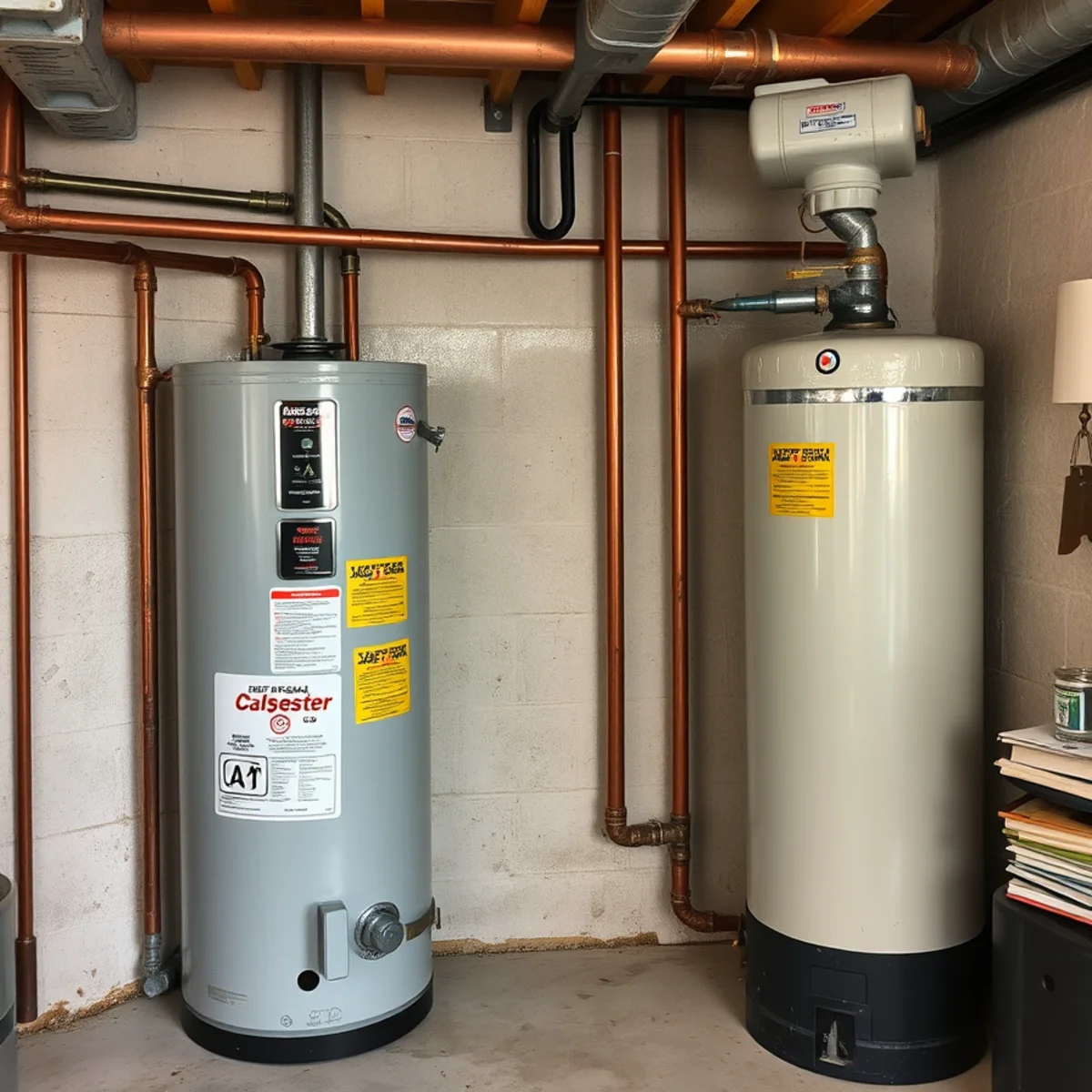
A water heater installed with a 1997 house has been drinking 26 to 28 grain water for a very long time, and almost none of them were flushed annually.
In this water a tank that should give twelve years commonly gives eight to ten. Most 1990s homes are therefore on their second or third heater, and the ones that are not are overdue.
The tell is rumbling or popping when it fires, hot water running out sooner than it used to, or any rust staining at the base. If yours went in with the house, it is not a question of whether but when — and a planned replacement costs meaningfully less than an emergency one at midnight with water spreading across a finished basement floor.
2. Undersized builder-grade softeners
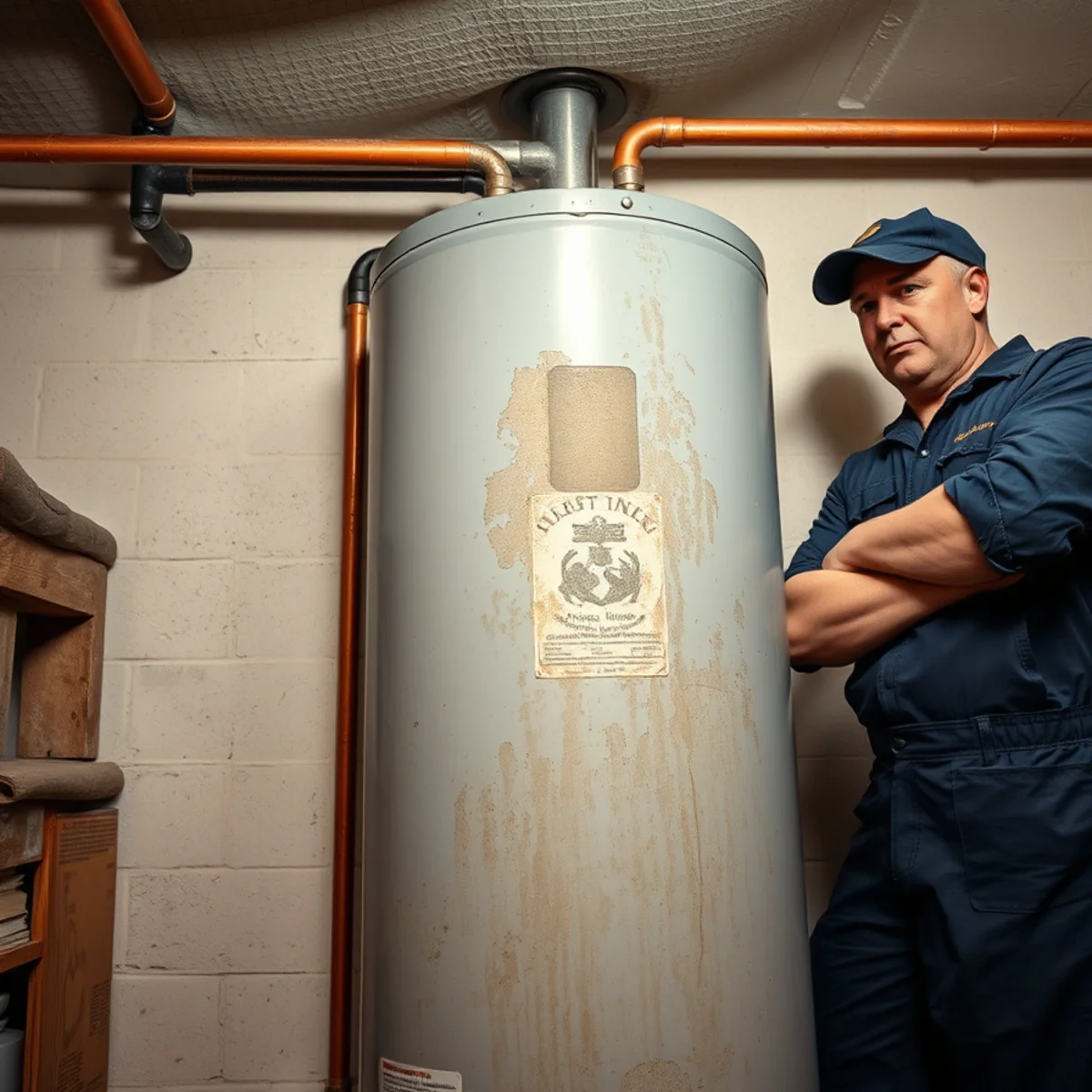
This is the single most common finding in homes of this era, and homeowners routinely misdiagnose it as a broken unit.
Builder specifications frequently assumed average water hardness. Ours is roughly six times average. A 32,000-grain softener in a four-person household at 27 grains has to regenerate almost daily just to keep up — which burns salt at a rate people find alarming, wears the resin bed out years early, and still lets hard water through during each regeneration cycle.
The symptoms are consistent: spots on glassware despite a working system, salt disappearing faster than seems reasonable, and a control valve that always seems to be cycling. That is a capacity problem, not a service problem, and no amount of maintenance fixes it. Our water softener installation page shows the sizing arithmetic, and it takes about a minute to work through.
3. Original sump pumps
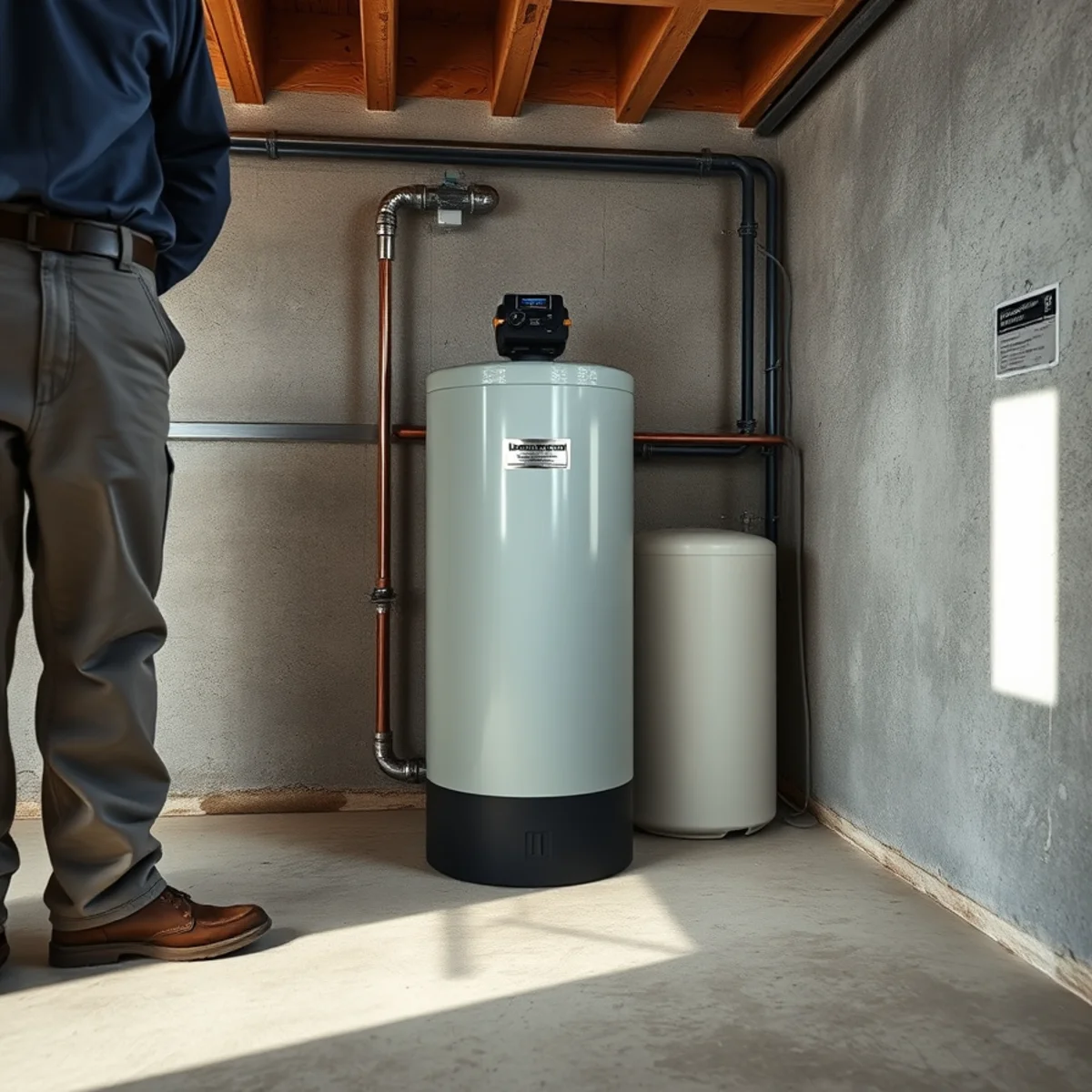
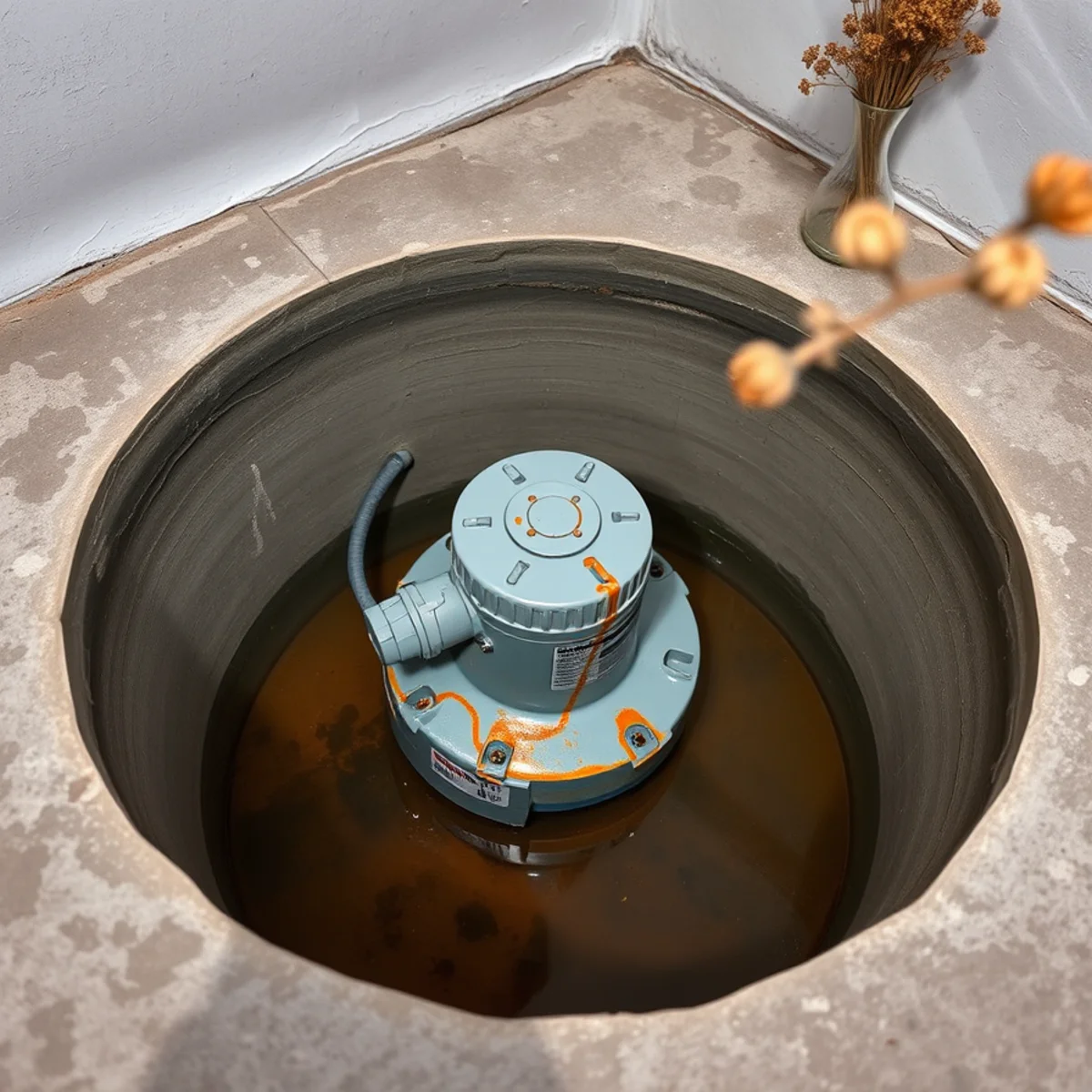
Primary pumps last seven to ten years in this county. A 1990s house on its original pump is well past that, and plenty are.
Builder-installed pumps also tended to be entry-grade — adequate for the first several years, then failing on the first genuinely hard weekend, which around here is in April during a storm that has also taken out the power.
Test yours: five gallons into the pit, and it should start within about ten seconds and shut off cleanly. And if the basement is finished and there is no battery backup, that is the gap worth closing before spring. Our guide to why basements flood here covers the mechanics.
4. Fixture stops that will not close
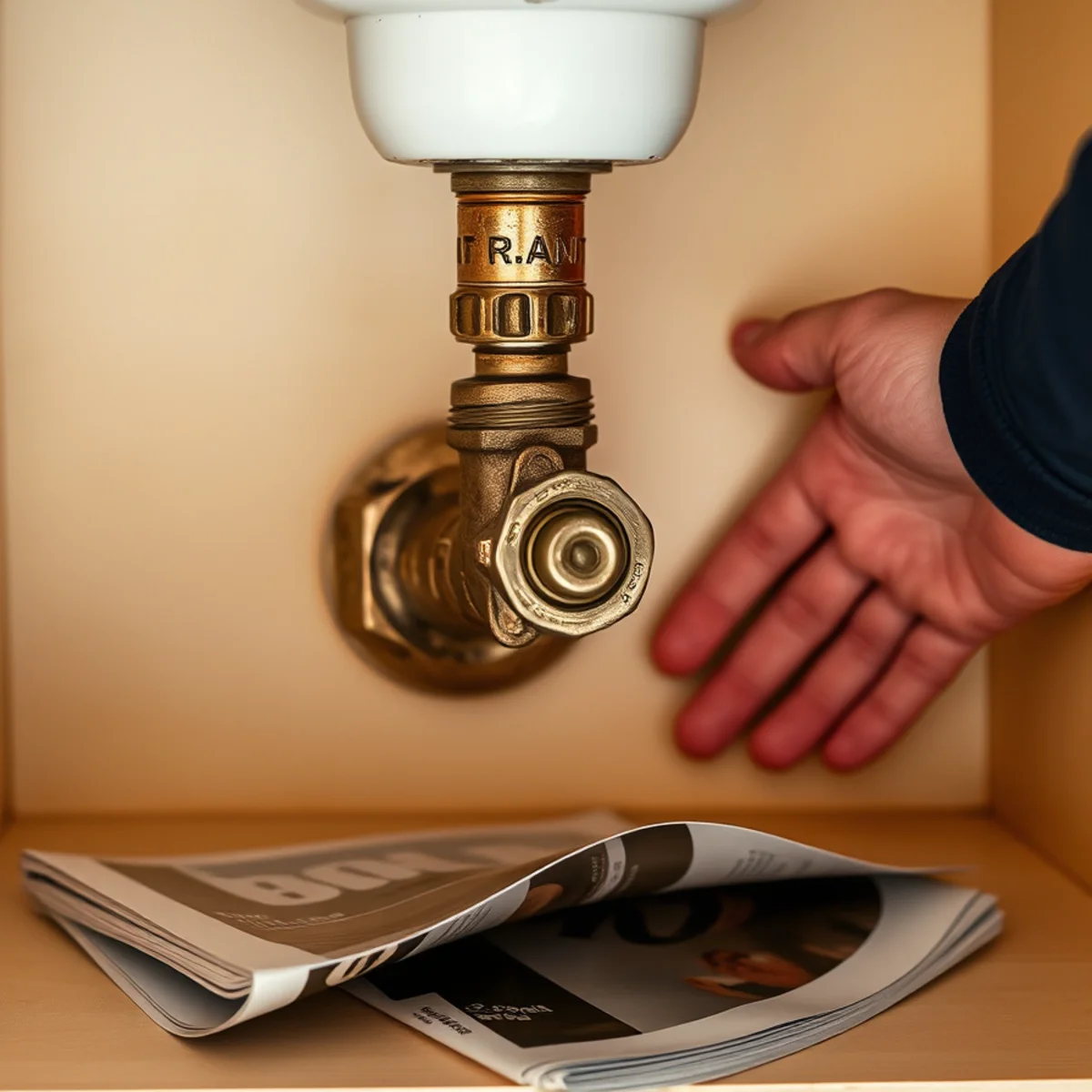
Every sink, toilet and appliance in the house has a small shutoff valve, and in 1990s homes those are usually original multi-turn valves that have not been moved in twenty-five years.
In hard water they seize. Worse, a valve that has been sitting untouched for decades frequently starts weeping the first time someone tries to turn it — so the act of shutting off the water to fix a faucet creates a second, larger problem.
Two things worth doing. Exercise every valve in the house once a year: fully closed, fully open. And when a fixture is being worked on anyway, replace its stop with a quarter-turn ball valve. It costs very little at the time and it is what you will be glad for at 11 p.m. when something starts leaking.
5. Shower cartridges and the missing main shutoff
Two smaller items that come up constantly in this housing stock.
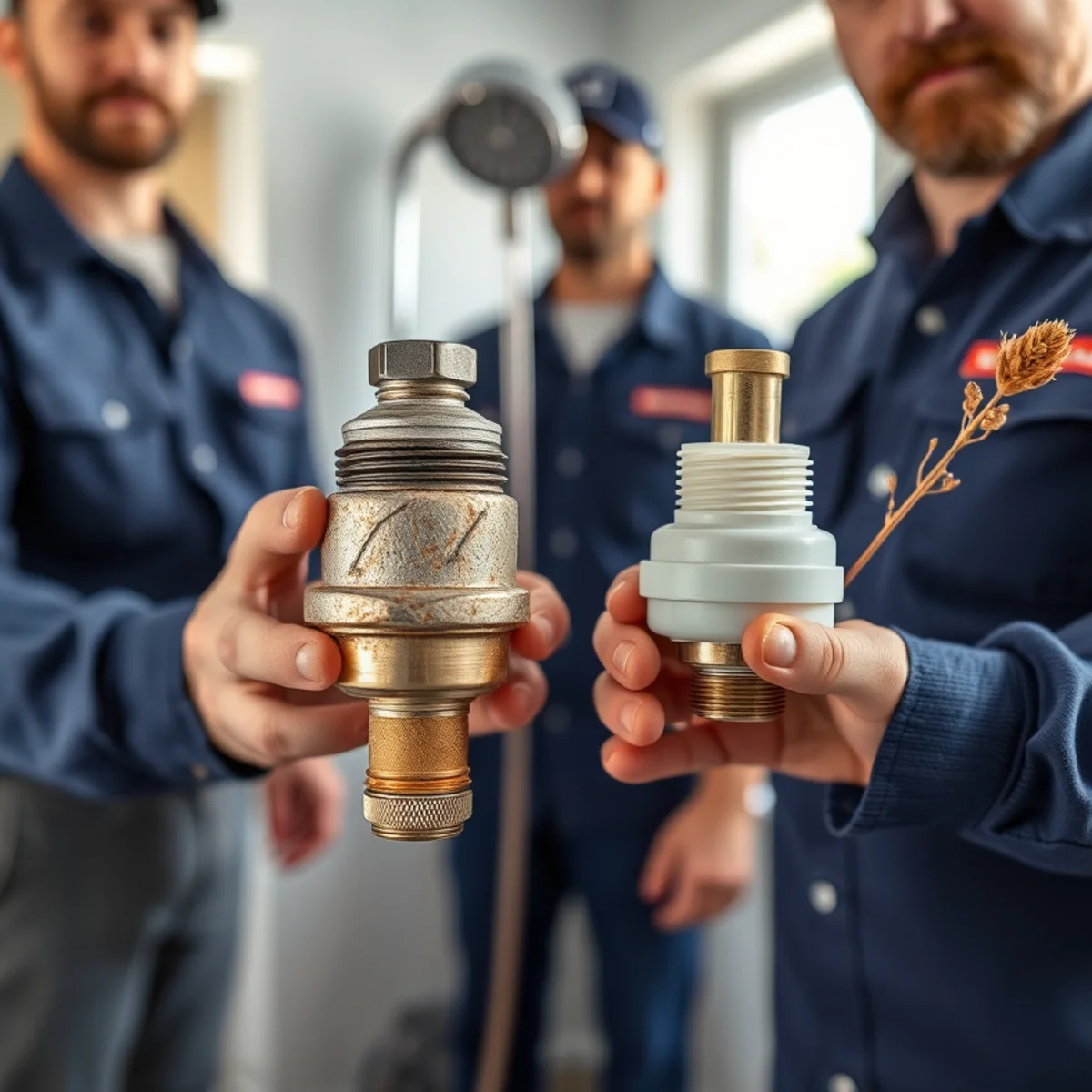
Shower valves from this era are pressure-balancing units whose internal spool scales up in our water until the shower loses its usable middle range — scalding, then cold, nothing in between. Replacing the cartridge fixes most of them, and it is worth checking whether parts are still available for your brand before you need them urgently. See shower, tub and sink installation.
And many homes here built before the mid-1990s have no accessible whole-home shutoff inside the house — just a curb stop at the parkway that needs a special key and, usually, the Village. That is the difference between a five-minute leak and a two-hour one. Adding an interior shutoff is inexpensive, does not require a repipe, and is probably the highest-value small job available to a house of this age.
Planning instead of reacting
The advantage of living in a wave-built subdivision is that the wave is predictable.
If your house is from the late 1990s with original equipment, a realistic five-year plan is: water heater, sump pump and backup, correctly sized softener, and fixture stops replaced opportunistically as other work happens. Spread across a few years that is manageable. Compressed into one bad weekend it is not.
The same pattern applies across the newer subdivisions in Huntley, Gilberts and Pingree Grove, just shifted a few years later on the timeline. Ask your neighbours what they have replaced recently — in a subdivision like this, it is the most reliable forecast you will get.
Quick answers
What plumbing problems do 1990s houses have?
The pipe is usually sound — copper supply, PVC drains, modern sewer laterals. What fails is equipment: original water heaters, original sump pumps, undersized builder-grade water softeners, and fixture shutoff valves that have seized in hard water.
Why is my builder-installed water softener not keeping up?
It was almost certainly sized for average water rather than the 26 to 28 grains we actually have. A unit that regenerates nearly every day and still leaves spots was too small on day one, and that is a capacity problem servicing cannot fix.
Does my 1990s home need repiping?
Usually not. Copper and PVC from this era hold up well. Repiping becomes a conversation when a copper run starts producing repeated pinhole leaks, which is a different situation from the age-related corrosion that affects 1970s galvanised systems.
Need a hand with this?
Talk to the plumber who wrote this
We are a licensed, owner-operated shop on Pine Street in Lake in the Hills. Free written estimates on non-emergency work, and a real person answering the phone when it cannot wait.
- 5.0 from 11 Google reviews
- Licensed & insured
- 24/7 emergency service