Water Heaters
How Long Do Water Heaters Last in Hard-Water Areas?
Manufacturers rate water heaters on average water. Ours is six times harder than average, and the lifespan math changes accordingly.
The number on the warranty card is usually six, nine or twelve years. The number people quote in conversation is twelve to fifteen.
In Lake in the Hills, plan on eight to ten.
That is not pessimism and it is not a sales angle. It is arithmetic about what 26 to 28 grains per gallon does to a steel tank that gets heated several times a day for a decade.
Why hard water shortens the life
Three mechanisms, running simultaneously.
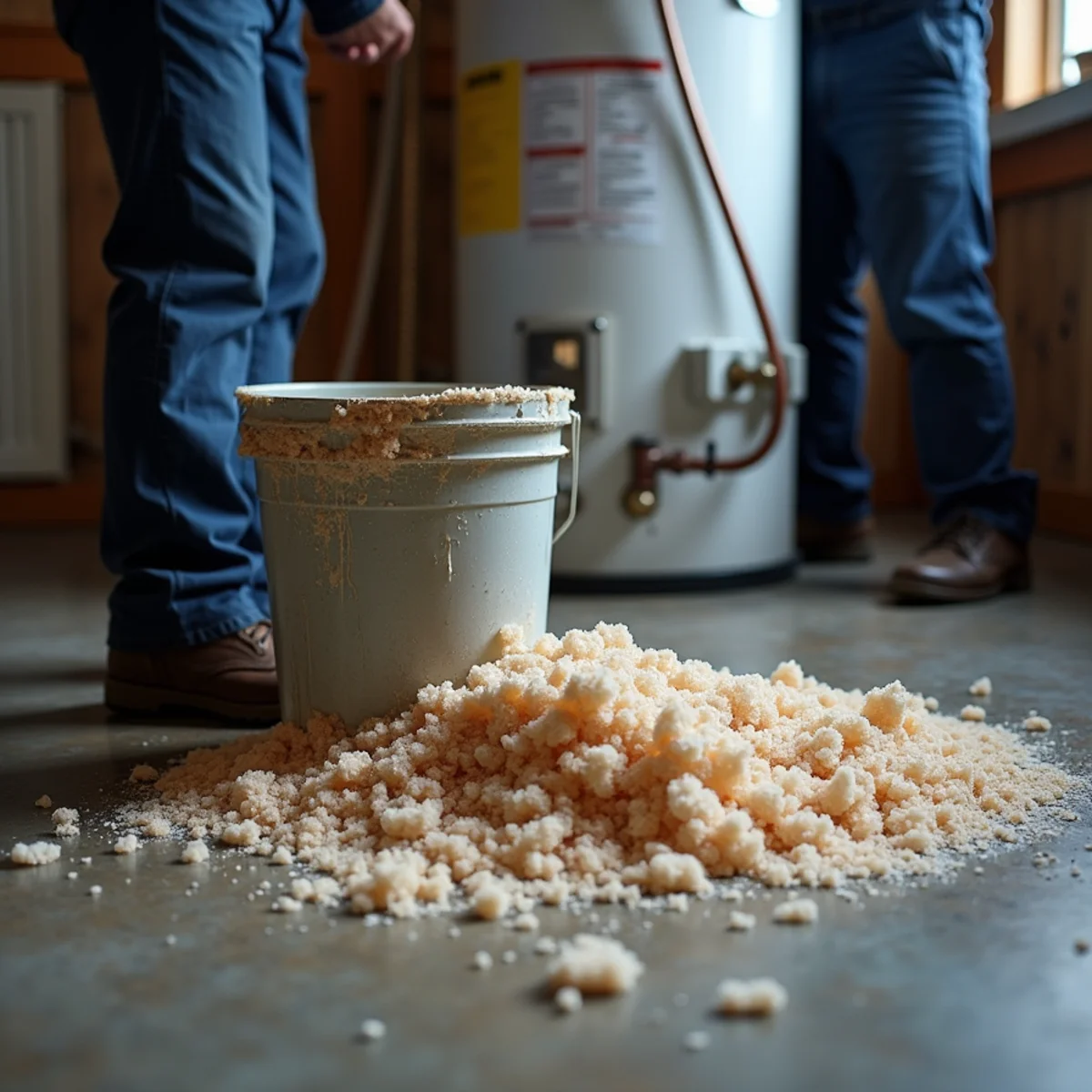
First, sediment. Minerals precipitate out when water is heated and settle on the tank bottom, compacting over years into a hard crust. That crust insulates the burner from the water, so the steel above it runs hotter than designed. Thermal stress fatigues the metal.
Second, anode consumption. Every tank has a sacrificial anode rod that corrodes so the steel does not. Hard water accelerates that consumption significantly. Once the rod is gone — often years before the homeowner has any idea — the tank lining takes the attack directly.
Third, efficiency loss compounding both. As sediment thickens, the burner runs longer for the same amount of hot water. More run time means more thermal cycling, more stress, and more sediment production. It is a loop that accelerates.
The honest lifespan table for this area
Based on what we actually pull out of Lake in the Hills, Algonquin and Huntley basements:
- Standard gas or electric tank, untreated water, never flushed: seven to nine years is typical, and some fail earlier.
- Standard tank, untreated water, flushed annually with the anode replaced around year three: ten to twelve years is achievable.
- Standard tank on softened water with normal maintenance: twelve to fifteen years, which is the number the manufacturer had in mind.
- Tankless on untreated water: unpredictable, with performance problems appearing within a few years even if the unit does not fail outright.
- Tankless on softened water with regular descaling: fifteen to twenty years, which is the whole argument for tankless.
The pattern nobody mentions
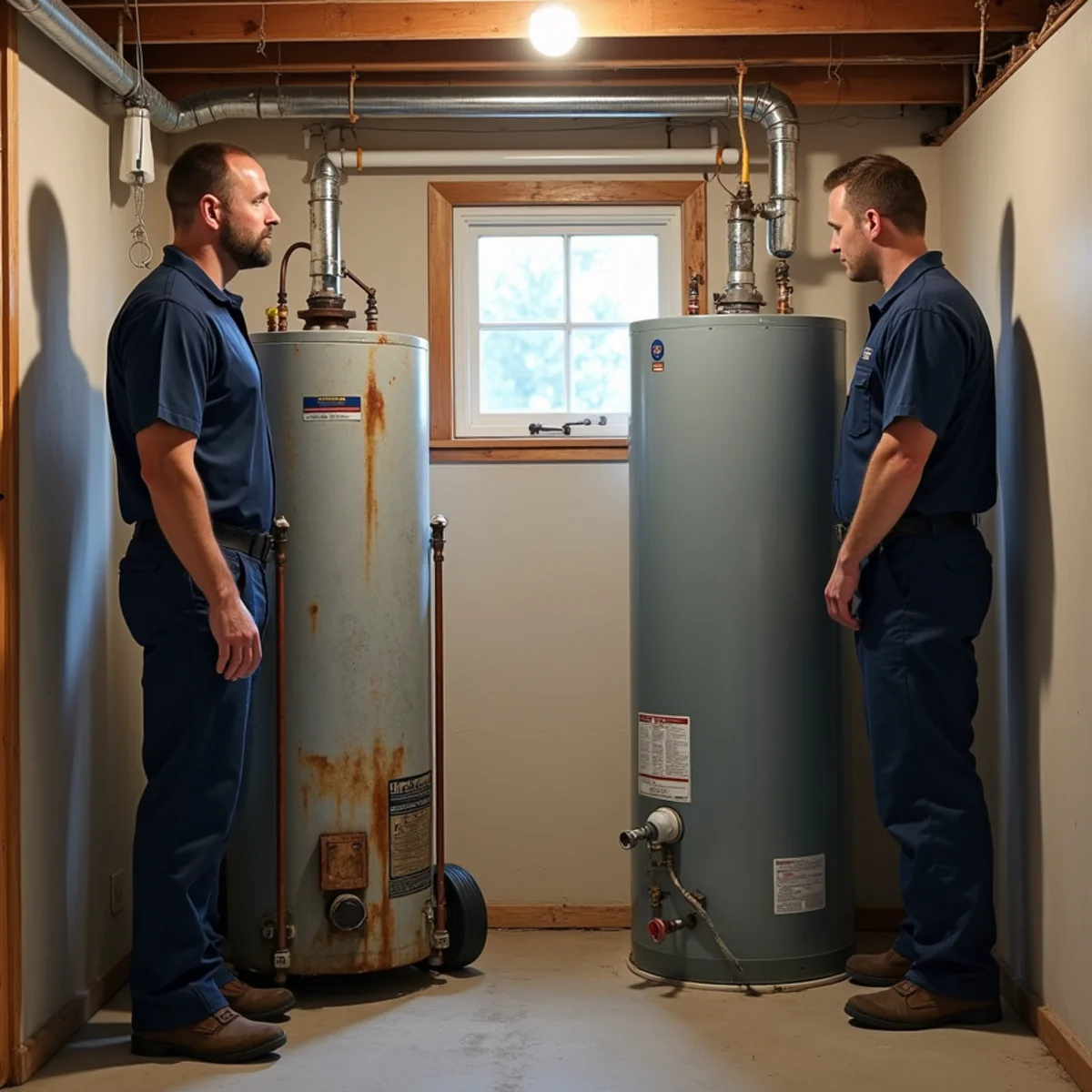
In neighborhoods built in a compressed window — Sun City and the Talamore area in Huntley, Cambridge Lakes in Pingree Grove, big stretches of Lake in the Hills built in the late 1990s — water heaters do not fail one at a time across a decade.
They fail in a wave, because they were all installed the same year by the same builder with the same specification, and they all drink the same water.
That is actually useful information. If neighbors on your street are replacing water heaters, yours is on the same clock. Replacing on a Tuesday afternoon of your choosing costs meaningfully less and creates far less mess than replacing at midnight with water spreading across a finished basement.
How to tell where yours is in its life
Find the manufacture date. Most brands encode it in the serial number — often the first four digits as week and year, though the format varies by manufacturer. If you cannot decode it, we can.
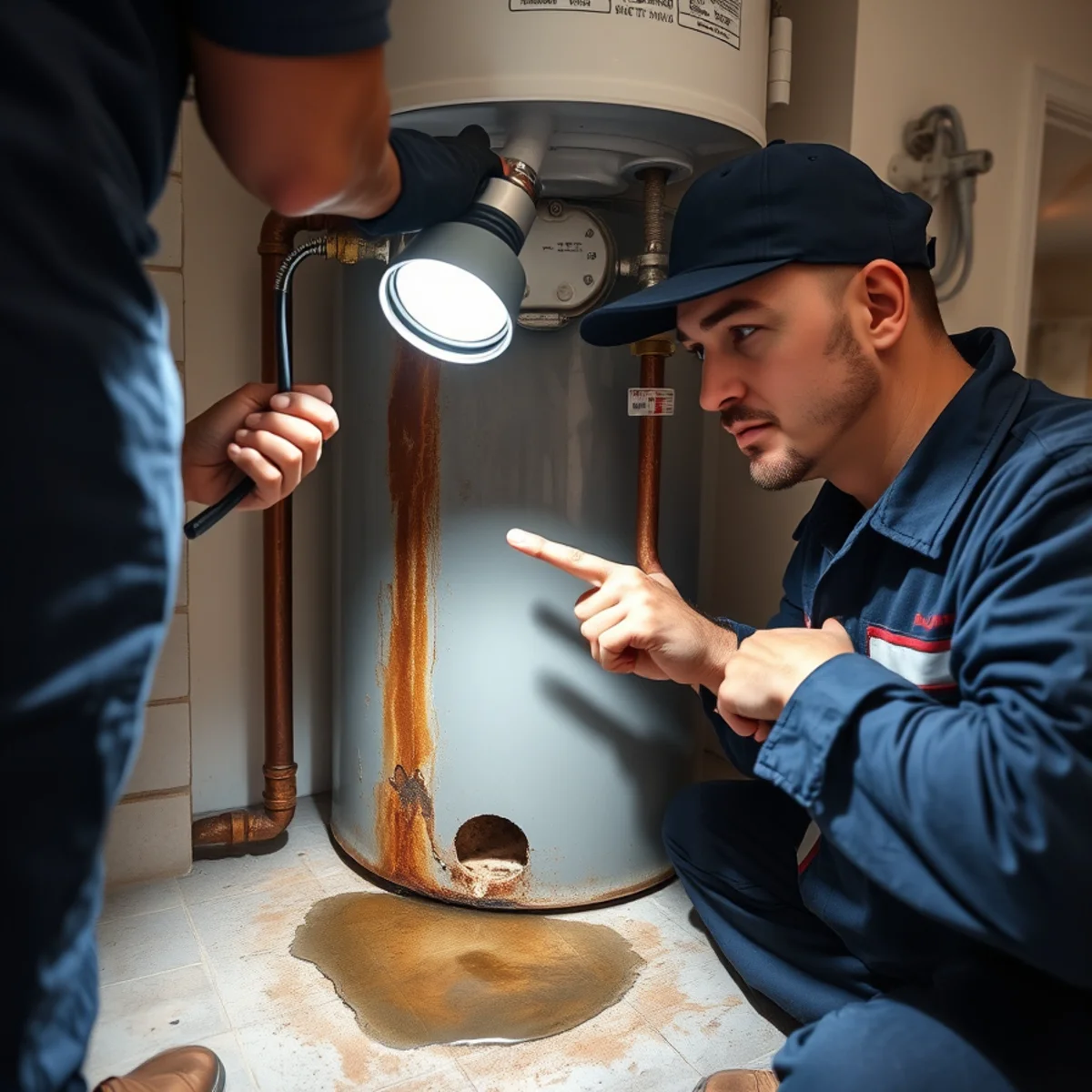
Then check three things. Does it rumble or pop when it fires? Is the hot water discolored while the cold runs clear? Is there any moisture, rust staining or corrosion at the base?
Any one of those on a tank over eight years old means start planning. All three means replace it before it decides for you. Our guide to the warning signs of imminent water heater failure goes through each symptom in more detail.
Getting the years back
Two maintenance habits and one equipment decision.
Flush the tank annually. Twenty minutes with a garden hose. It removes loose sediment before it compacts.
Replace the anode rod every three years rather than five. This is the highest-value hard-water-specific maintenance item available, and almost nobody does it. It costs a fraction of a tank and it is what the tank's warranty assumes you are doing.
And install a correctly sized water softener. It is the only thing that removes the cause rather than managing the symptom, and it protects the dishwasher, the washing machine and every fixture at the same time.
If your current heater is already ten years old and rumbling, do both at once: replace the tank and add treatment, so the new unit never drinks raw 27-grain water.
Quick answers
How long should a water heater last in Lake in the Hills?
Eight to ten years untreated, which is two to four years short of the manufacturer's expectation. With annual flushing, anode replacement every three years, and softened water, twelve to fifteen years is realistic.
How do I find out how old my water heater is?
The manufacture date is usually encoded in the serial number on the data label — commonly the first four digits as week and year, though it varies by brand. Bring us a photo of the label and we will decode it.
Is it worth replacing a water heater before it fails?
Past ten years in this water, generally yes. A planned replacement costs less than an emergency one, avoids after-hours rates, and avoids the water damage that comes with a tank letting go while nobody is home.
Need a hand with this?
Talk to the plumber who wrote this
We are a licensed, owner-operated shop on Pine Street in Lake in the Hills. Free written estimates on non-emergency work, and a real person answering the phone when it cannot wait.
- 5.0 from 11 Google reviews
- Licensed & insured
- 24/7 emergency service