Whole-Home Repiping
Copper and PEX repipes for galvanized and failing systems — planned in phases so your water is back on every night.
Learn more
Artisan Water Group
Water pressure is the one thing in your plumbing where more is not better. Too little and nothing works properly. Too much and everything in the house wears out early — and you probably will not connect the two.
Need this handled today? Call and a real person answers — nights, weekends and holidays included. You get the price before we start.
Most homes have a pressure-reducing valve where the water service enters, stepping municipal pressure down to something the house can live with. It is a mechanical device with a spring and a diaphragm, and it does not last forever. When it fails it can fail either direction: stuck open and letting full main pressure through, or gradually closing down and starving the house.
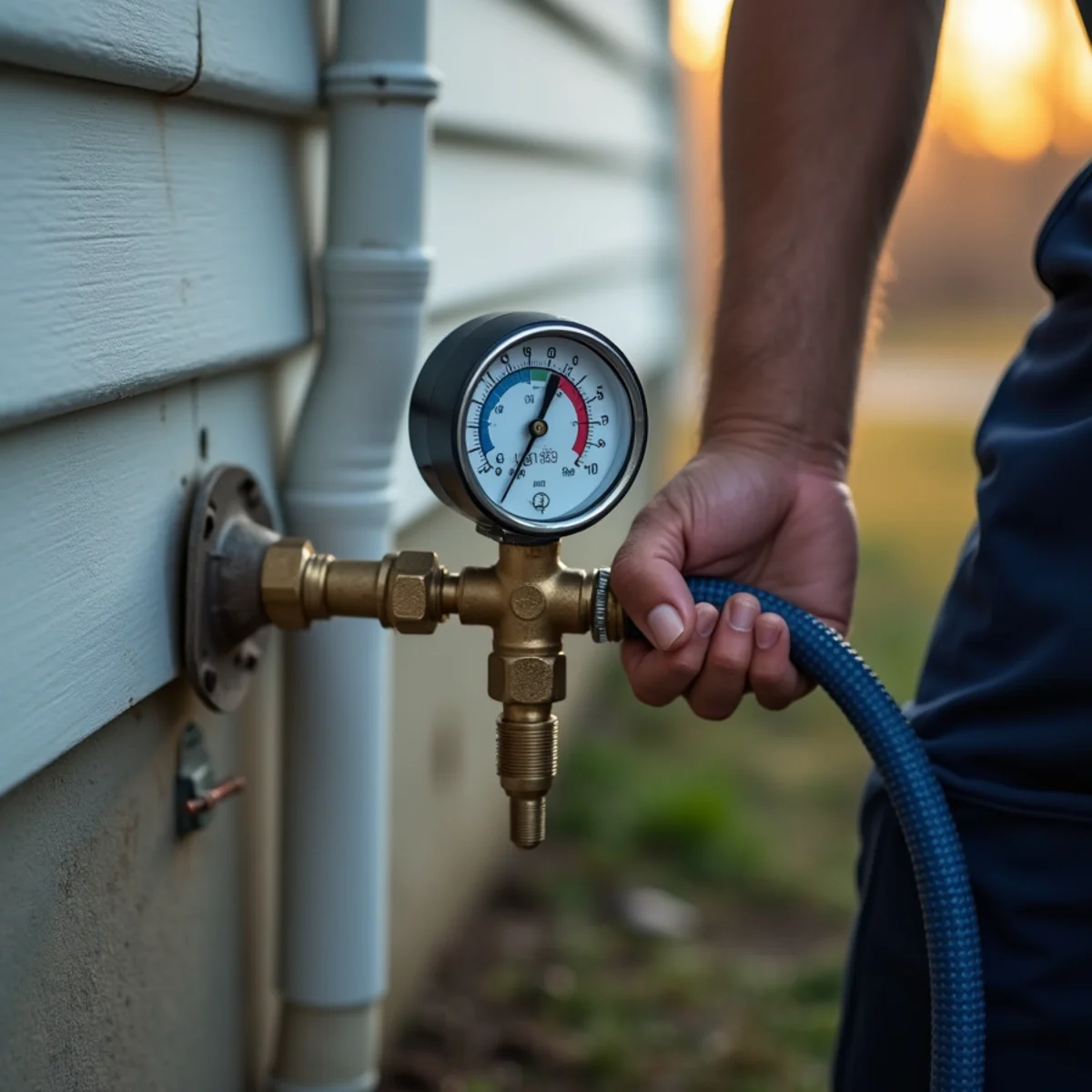
Testing it takes about two minutes with a gauge on a hose bib. We do it on nearly every call, because a surprising number of the problems we get asked about — banging pipes, fixtures that keep failing, a relief valve that weeps, a toilet that will not stop — trace straight back to pressure.
High and low pressure produce different complaints. Both are worth measuring rather than guessing at.
Water hammer. A washing machine or dishwasher valve snapping shut sends a shock wave back through the line. High pressure makes it far worse, and every bang is stressing joints.
Cartridges, fill valves, supply hoses and appliance inlet valves all have pressure ratings. Run them consistently above spec and they wear out years early.
Frequently a pressure problem rather than a valve problem — often a closed system with no working expansion tank, sometimes simply excessive incoming pressure.
High pressure pushes past fill valve seals that would seat fine at normal pressure. Replacing the valve without fixing the pressure just resets the clock.
If cleaning aerators changed nothing and the pipes are not galvanised, a PRV closing down is a leading suspect and is far cheaper to fix than a repipe.
A failing diaphragm often shows as pressure that reads fine in the evening and badly in the morning, or the reverse.
Measure first. This is one of the few plumbing problems with a definitive number attached.
A gauge on an outside hose bib with nothing running gives static pressure. Most residential systems want roughly 50 to 70 psi; code generally caps at 80.
If pressure climbs while the water heater runs and nothing is drawing, the system is closed with no working expansion tank. That is a different fix than the PRV.
Adjust and observe whether the valve responds. A valve that will not hold a setting has a failed diaphragm and is not adjustable back to health.
Pressure and volume are different things. A house can show 60 psi static and still deliver poorly if something is restricting flow, and confusing the two leads to the wrong repair.
Sometimes it is an adjustment. Often on an older valve it is a replacement, which is a contained job at the service entrance.
Expansion tank if the system is closed, hammer arrestors at quick-closing appliance valves, and a check of anything the high pressure has already damaged.
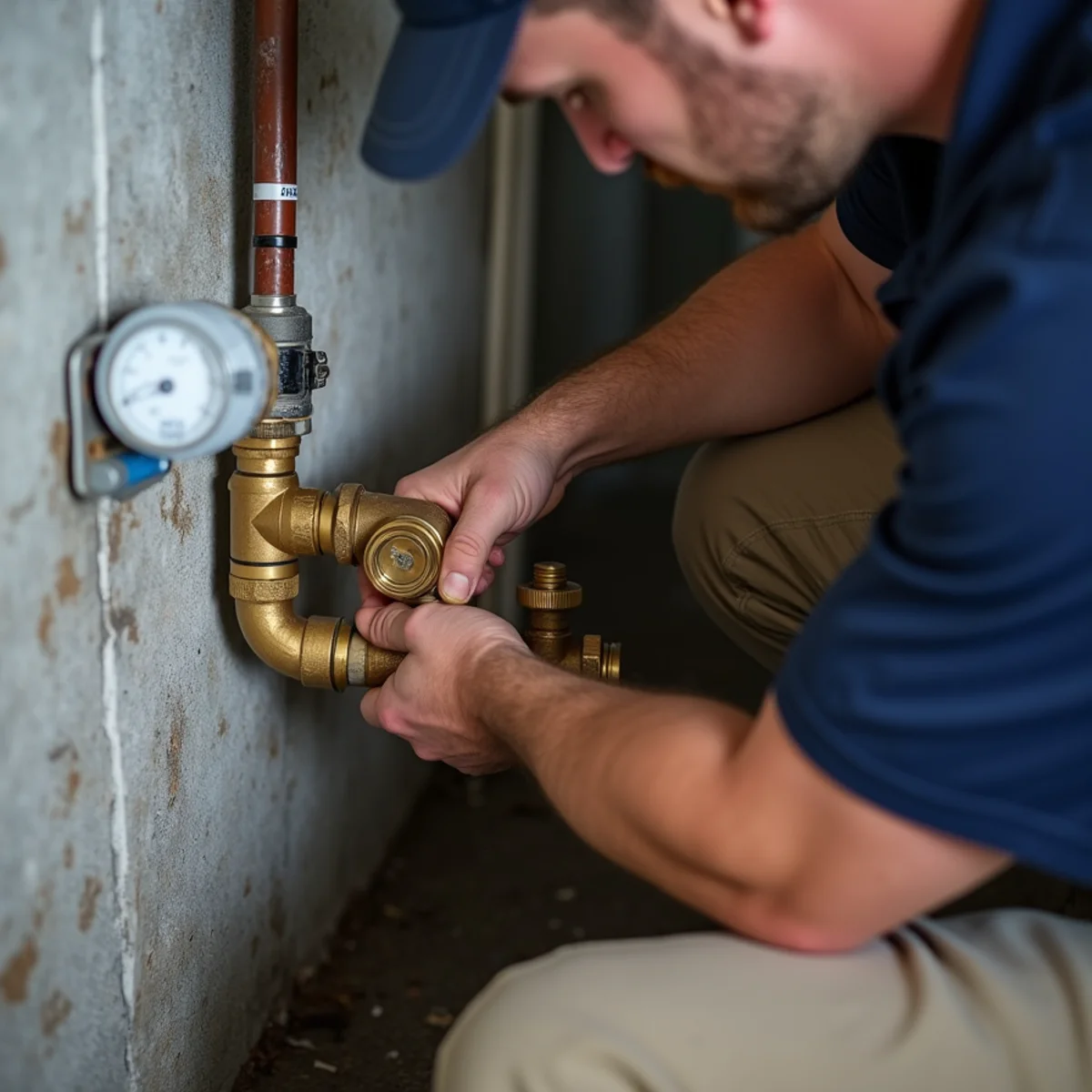
Most residential plumbing is designed around roughly 50 to 70 psi. Illinois plumbing code generally requires pressure at fixtures not to exceed 80 psi, and that ceiling exists for a reason rather than as bureaucratic caution.
Above 80, everything wears faster. Faucet cartridges and toilet fill valves fail early. Washing machine and dishwasher inlet valves — which are just solenoids with rubber seats — start leaking. Braided supply hoses age faster. Water hammer intensifies, and every shock wave works on soldered joints.
The insidious part is that high pressure feels good. A strong shower is pleasant, and nobody calls a plumber because the water comes out too hard. So it goes unmeasured for years while the fixture bills quietly add up. Two minutes with a gauge is the whole diagnostic.
These two problems make each other worse, and locally you usually have both.
Mineral scale narrows the inside of pipes and restricts fixture passages, which raises velocity at every elbow and every valve seat. High pressure drives that faster-moving, mineral-laden water harder against exactly the surfaces that are already wearing. The result is fixtures that fail on a schedule that surprises people who moved here from softer water.
So when we find high pressure in a Lake in the Hills home, the honest conversation covers both. Getting the pressure right protects everything downstream, and a properly sized water softener removes the abrasive that the pressure is driving. Fixing one and ignoring the other gets you part of the benefit.
A contained job in most homes, with a few things that change the scope.
We will test your pressure free as part of any other service call. It takes two minutes and it frequently explains a problem you were about to spend real money on.
Roughly 50 to 70 psi for most homes, with code generally capping fixture pressure at 80 psi. Below about 40 you will notice weak performance; above 80 you are shortening the life of every fixture and appliance in the house.
A screw-on pressure gauge from any hardware store, attached to an outside hose bib with nothing else running. It costs very little and takes two minutes. If it reads above 80, call someone.
Water hammer — a shock wave from a fast-closing solenoid valve. High system pressure makes it much worse. The fix is usually correcting pressure plus adding hammer arrestors at the appliance.
Commonly ten to fifteen years. They fail gradually rather than suddenly, which is why the symptoms — early fixture failures, creeping pressure changes — are so easy to attribute to something else.
Very possibly, and it is worth ruling out first because it is far cheaper than a repipe. We test pressure at the source before recommending any larger work — that is exactly the check that prevents people paying for the wrong solution.
Often needed together
These come up on the same houses more often than not.
Copper and PEX repipes for galvanized and failing systems — planned in phases so your water is back on every night.
Learn moreRepair, replace and protect tank water heaters — with the sediment and anode work our 26–28 gpg water actually demands.
Learn moreAnnual testing, device repair and new installations that keep your irrigation or boiler from contaminating the drinking supply.
Learn moreWorth reading first
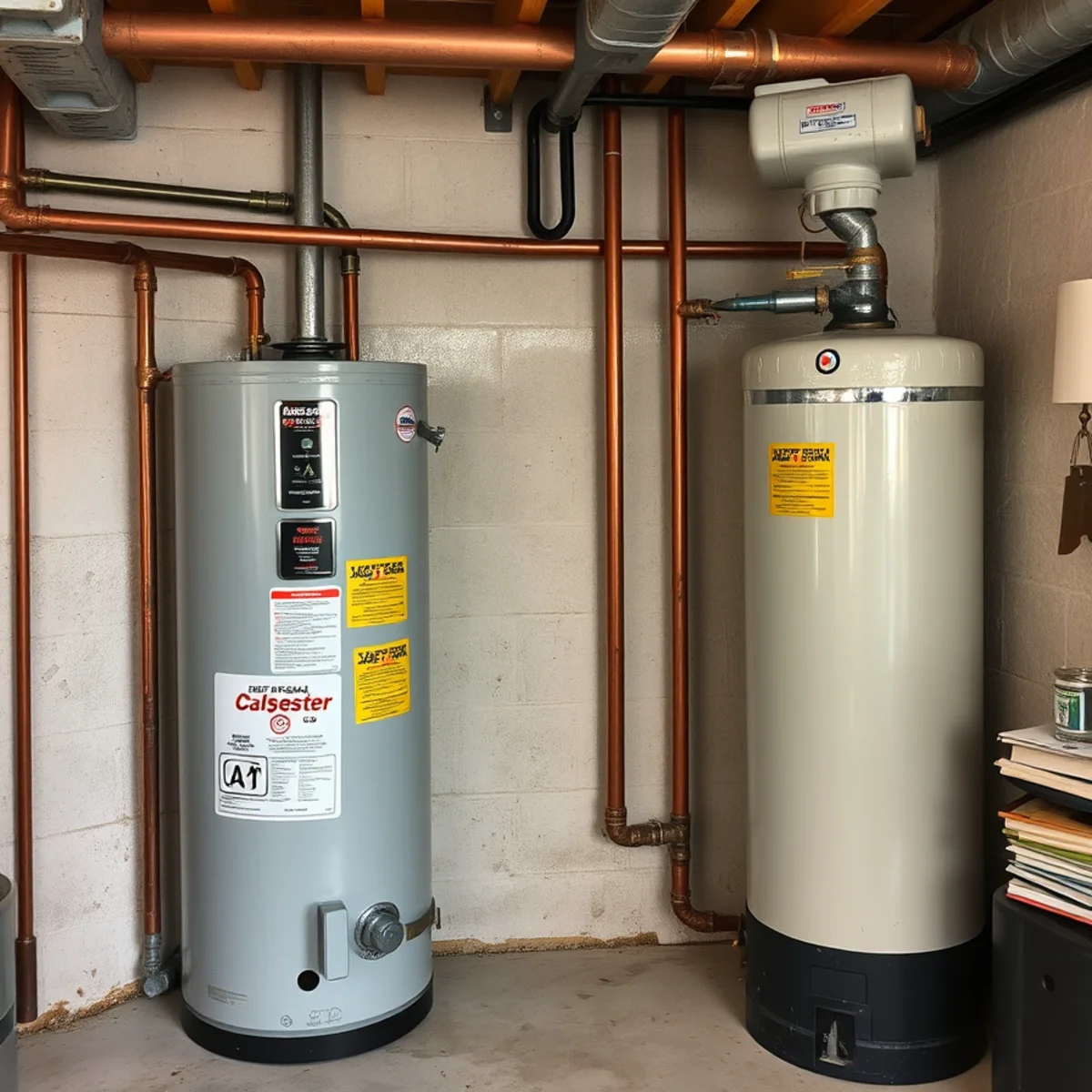
When a whole subdivision goes up in three years, its plumbing ages out in three years too. If your neighbours are replacing water heaters, you are on the same clock.
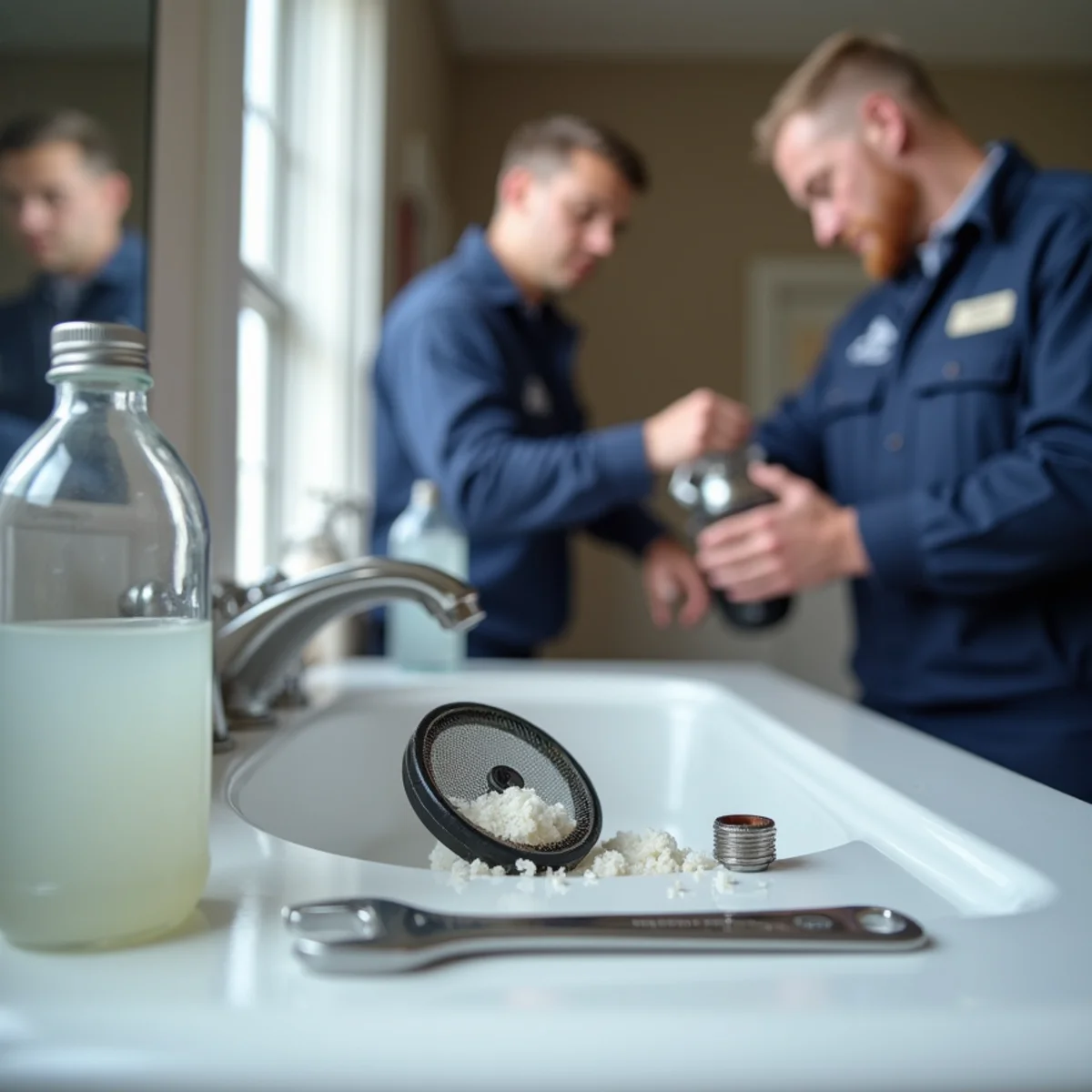
Fixtures are where hard water shows up first. Most of what looks like a broken faucet in this village is actually a mineral problem — and that changes the fix.
Water Pressure Regulation (PRV)
Call and talk to the person who will do the work. Free written estimates on non-emergency water pressure regulation (prv), and a price before we start on anything urgent.
Tell us what is going on and we will get back to you with a straight answer. No obligation, no pressure.
5.0 from 11 Google reviewsLicensed & insuredFree written estimates
Our online form is not taking submissions just yet.
Please call (207) 419-2600 instead — a real person answers, nights and weekends included, and we can usually sort it faster on the phone anyway.
We are a licensed, insured, owner-operated shop based on Pine Street in Lake in the Hills. That means the person quoting the job is the person doing it, and nobody here is measured on how much they sold you.
Every recommendation starts with the water. At 26–28 grains per gallon, our supply is roughly six times harder than the national average, and it is the single biggest factor in how long anything in your plumbing lasts. Fixing the symptom without addressing that is how you end up calling someone again in two years.
And when a permit is required — water heaters, sewer work, gas piping — we pull it and show the fee on its own line. Ask every plumber you talk to for the same. Read more in our guide to plumbing permits in McHenry County.