Gas Line Installation & Repair
Permitted, pressure-tested gas line work for ranges, dryers, grills, fire pits and generators — plus leak diagnosis.
Learn more
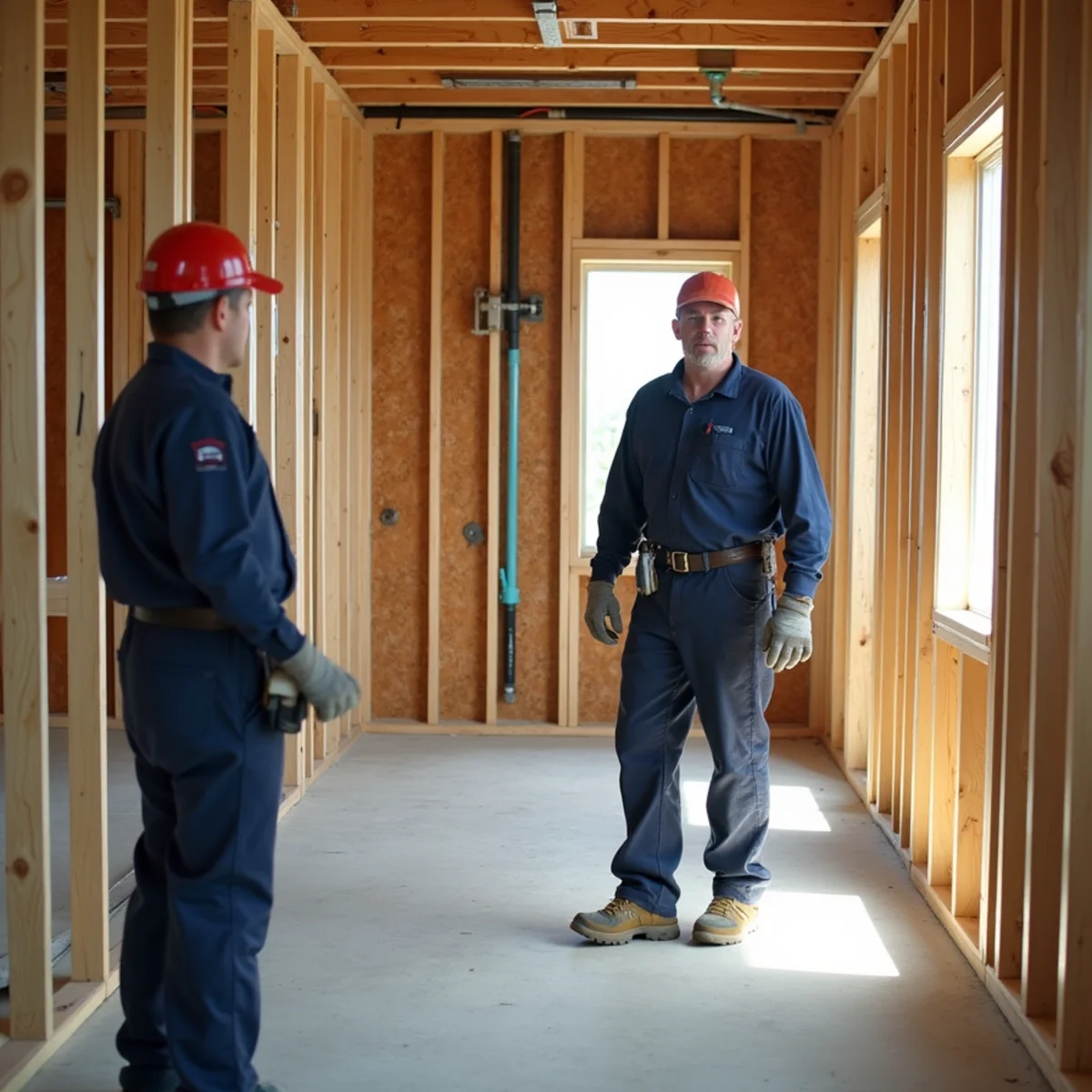
Artisan Water Group
Building new is the one chance you get to have the plumbing done the way it should be rather than the way it fits.
Need this handled today? Call and a real person answers — nights, weekends and holidays included. You get the price before we start.
Everything is accessible. Nothing has to be fished, routed around, or compromised because of where a previous owner put a wall. Branch lines can be sized properly instead of being run at whatever diameter got the inspection passed. Shutoffs can go where they will actually be reachable in fifteen years. A softener loop can be roughed in whether or not the owner installs a softener on day one.
That last point matters more here than almost anywhere. A house built in Lake in the Hills without a softener loop is a house that will need one cut in later, and doing it during construction costs a fraction of doing it afterward.
Three distinct phases, each with its own inspection.
Waste and vent below the slab or in the basement floor, water service entry, and any below-grade drainage. Done before the slab pour and inspected before it is covered.
All supply, drain and vent piping through the framing, gas piping to appliance locations, tub and shower valves set, and everything pressure tested for the rough inspection.
Fixtures, faucets, toilets, water heater, disposal, appliance connections, and every shutoff. Final inspection and commissioning.
Tying new plumbing into an existing system without compromising what is already there — including checking whether the existing service and stack can carry the added load.
Pool houses, workshops, in-law suites and barns. Water service, drainage, freeze protection and isolation valves.
We coordinate with framing, HVAC and electrical rather than showing up and drilling through whatever is in the way.
Three site phases across the build, each scheduled around the trades either side of us.
We read the drawings before quoting — fixture count, layout, service size, gas load, water heater type and location, and whether the design has any conflicts worth raising while they are still cheap.
Permit pulled, then underground waste and vent installed and inspected before the slab is poured. Nothing gets covered until it has passed.
Supply, drain, vent and gas run with proper support, protection plates where pipe passes through framing, and correct slope on every drain. Tub and shower valves set to finish depth.
Water and gas both tested and held. Photographed before insulation and drywall so there is a record of what is in the walls.
Fixtures set, water heater installed and vented, appliances connected, every fixture stop fitted and labelled.
Final passed, system commissioned, and a walkthrough showing the owner the main shutoff, the softener loop, the water heater drain and anything else they will want to find later.
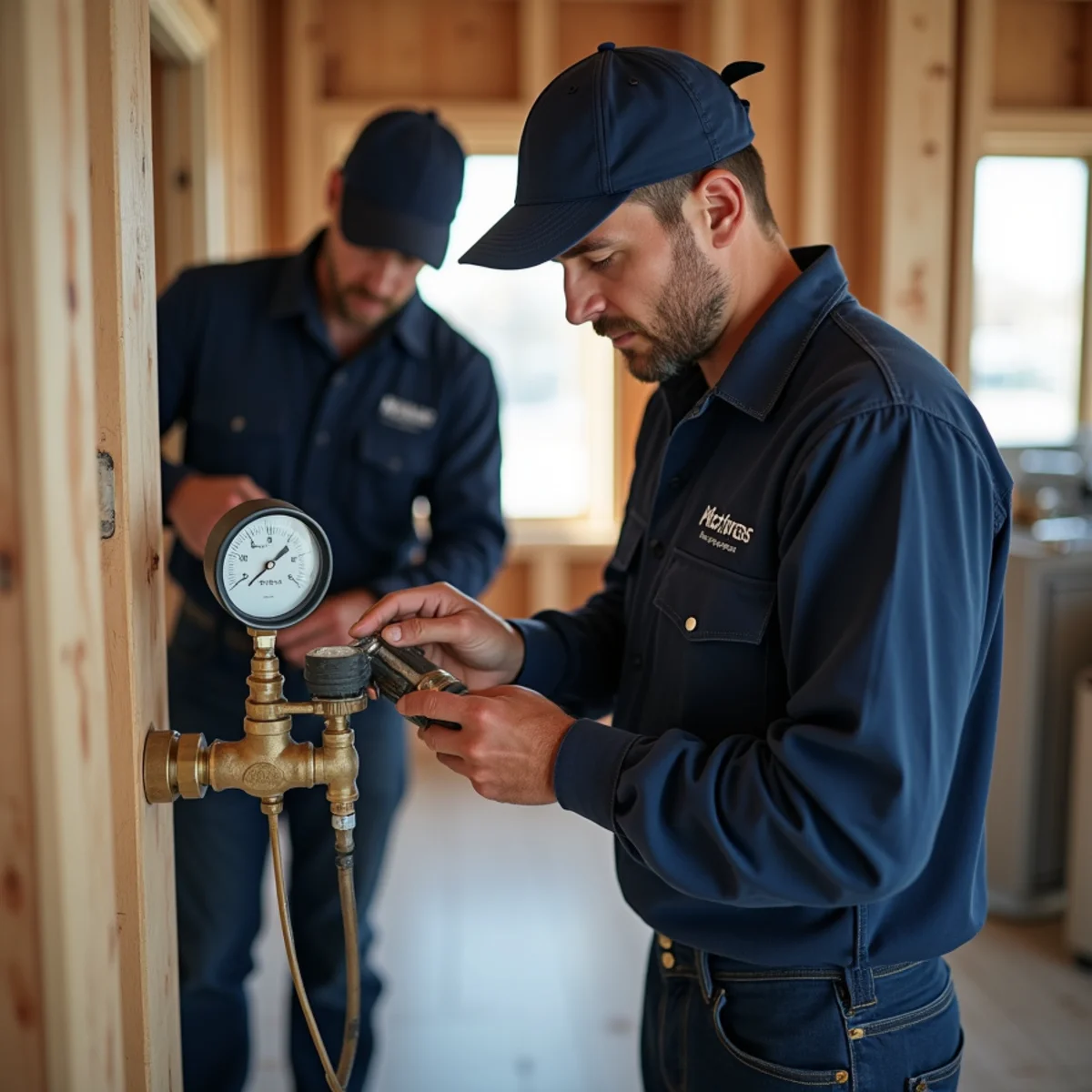
The difference between adequate and good in new construction plumbing is almost entirely about what happens in year fifteen, not year one.
Two local realities should shape any new build here, and both are easy to design for if they are considered early.
The water runs 26 to 28 grains per gallon. That means the softener loop above, it means specifying a water heater with an accessible anode port rather than one you cannot service, and it means choosing fixture valves from brands with a long parts history — because in this water you will be replacing cartridges, and you want that to be a fifteen-minute job rather than a wall opening.
The soil is heavy clay that sheds meltwater rather than absorbing it. That means the sump system matters from day one, not as an afterthought. A properly sized pit, a pump matched to real inflow, discharge routed far enough away that it does not recirculate, and provision for a battery backup. New construction does not exempt a basement from a McHenry County spring — the subdivisions in Huntley and Pingree Grove demonstrate that every April.
Priced from the drawings rather than from a square footage rule of thumb.
We quote from drawings, with the phase schedule included so your builder can slot us in. Change orders get priced before the work, not after.
Yes. We read drawings, quote from them, and schedule our three phases around framing, HVAC, electrical and drywall rather than against them. We would rather flag a conflict at plan review than discover it at rough-in.
In Lake in the Hills, absolutely. At 26 to 28 grains per gallon a softener is effectively inevitable, and roughing in the loop and a drain during construction costs a small fraction of cutting one into a finished house later.
Typically three: underground before the slab is poured or covered, rough-in before insulation and drywall, and final at completion. We schedule all of them and meet the inspector.
Yes, and the important early question is whether the existing water service, stack and gas line can carry the added load. We check that before quoting rather than discovering it partway through.
New construction is the best possible time for tankless, because the gas line and venting can be designed for it from the start rather than retrofitted. Pair it with a softener and it is an excellent choice here. See our [tankless installation](/services/tankless-water-heater-installation-lake-in-the-hills) page for the trade-offs.
Often needed together
These come up on the same houses more often than not.
Permitted, pressure-tested gas line work for ranges, dryers, grills, fire pits and generators — plus leak diagnosis.
Learn moreWhole-home softeners sized for real 26–28 grain water — plus repairs, resin service and salt guidance for the system you already own.
Learn morePrimary pumps, battery backups and WiFi flood sensors — sized for McHenry County spring thaw, not a catalog average.
Learn moreWorth reading first
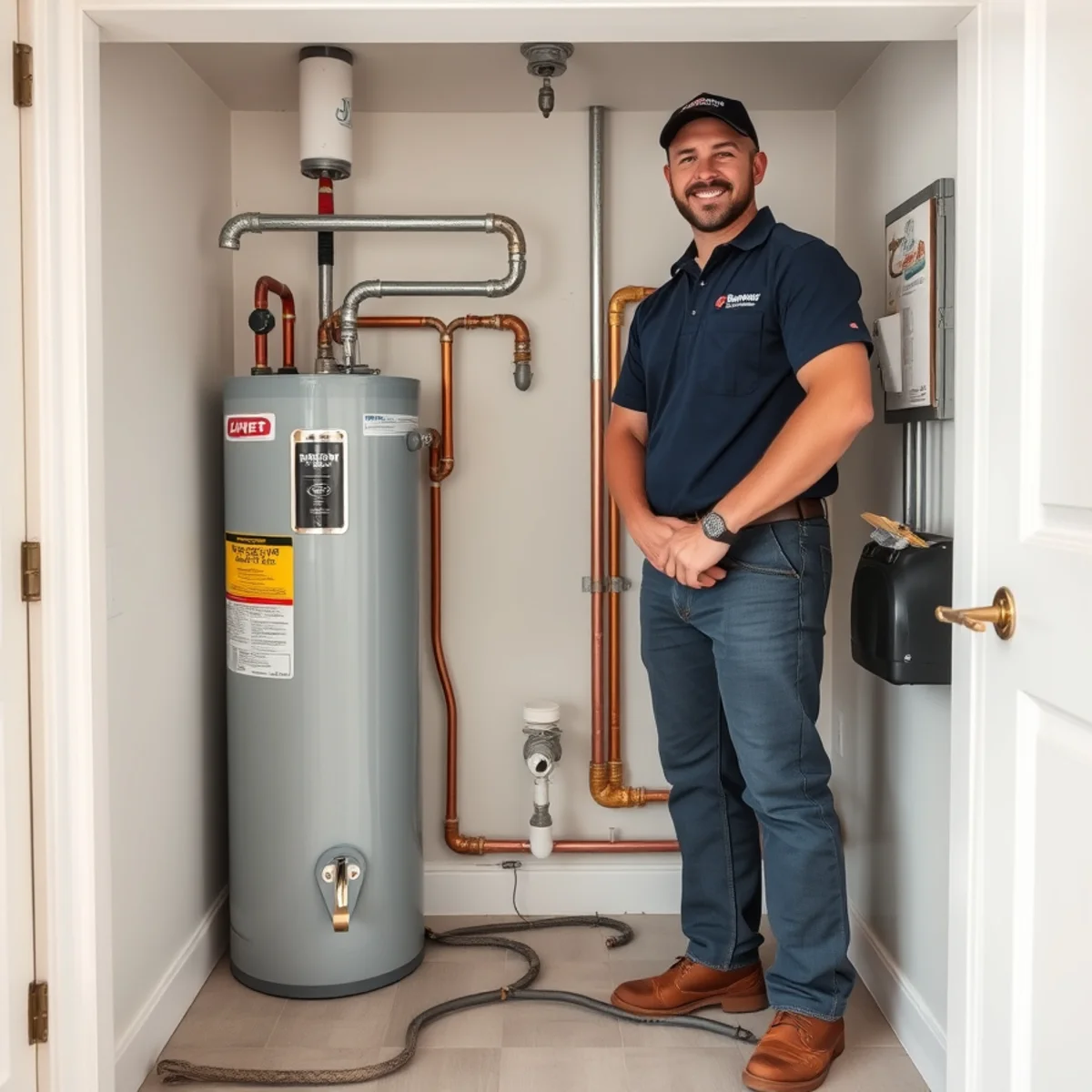
Code compliance is a floor, not a specification. Here is what to look at in a new Huntley home while the builder warranty is still live.
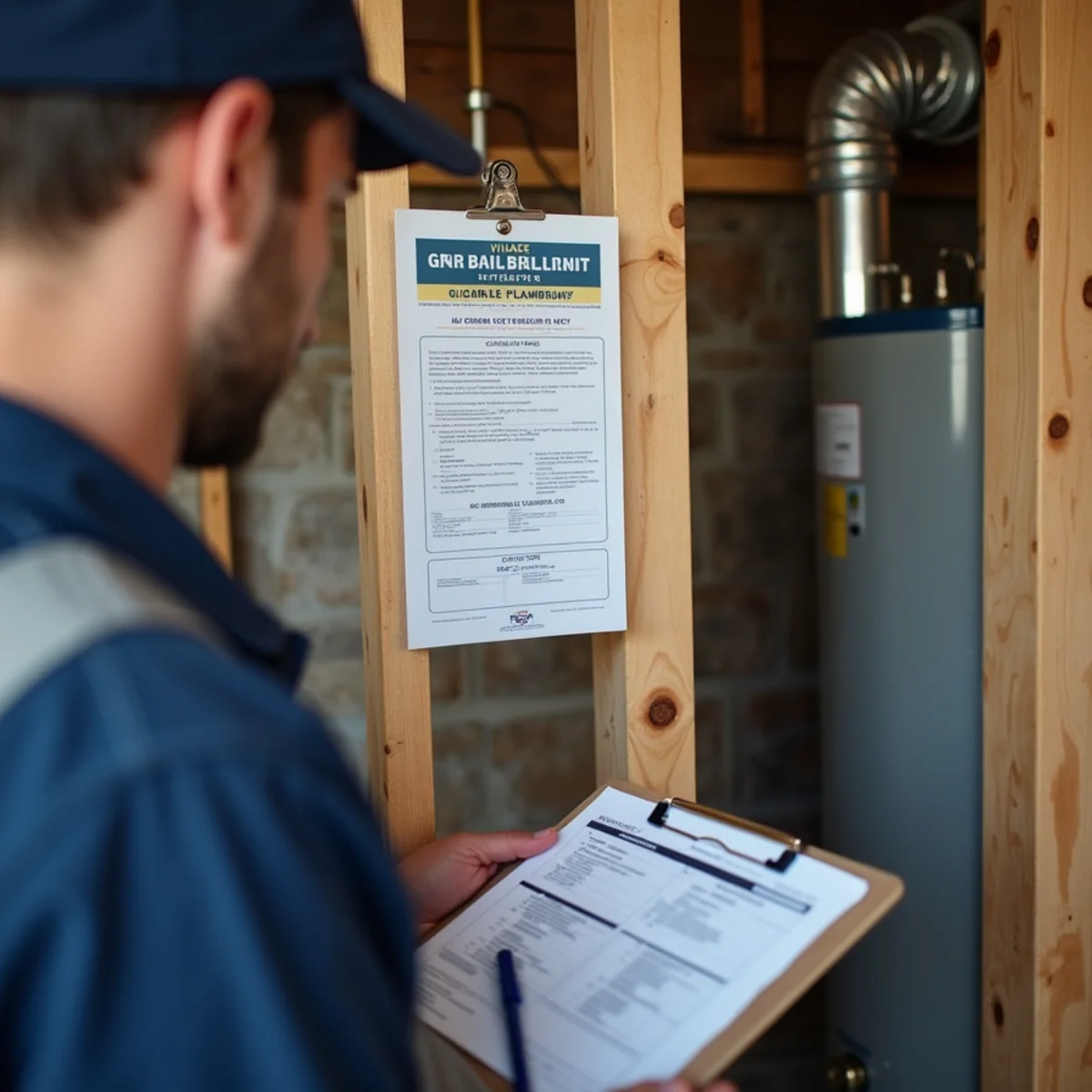
Permits feel like paperwork until you file an insurance claim or sell the house. Here is what actually requires one and why it protects you.
New Construction Plumbing
Call and talk to the person who will do the work. Free written estimates on non-emergency new construction plumbing, and a price before we start on anything urgent.
Tell us what is going on and we will get back to you with a straight answer. No obligation, no pressure.
5.0 from 11 Google reviewsLicensed & insuredFree written estimates
Our online form is not taking submissions just yet.
Please call (207) 419-2600 instead — a real person answers, nights and weekends included, and we can usually sort it faster on the phone anyway.
We are a licensed, insured, owner-operated shop based on Pine Street in Lake in the Hills. That means the person quoting the job is the person doing it, and nobody here is measured on how much they sold you.
Every recommendation starts with the water. At 26–28 grains per gallon, our supply is roughly six times harder than the national average, and it is the single biggest factor in how long anything in your plumbing lasts. Fixing the symptom without addressing that is how you end up calling someone again in two years.
And when a permit is required — water heaters, sewer work, gas piping — we pull it and show the fee on its own line. Ask every plumber you talk to for the same. Read more in our guide to plumbing permits in McHenry County.