Seasonal
Spring Thaw Plumbing Checklist for Illinois Homeowners
Snowmelt on frozen ground, saturated clay and a spring storm on top. March and April are the most predictable failure window in the McHenry County plumbing year.
If you only do plumbing maintenance once a year in northern Illinois, do it in late February or early March.
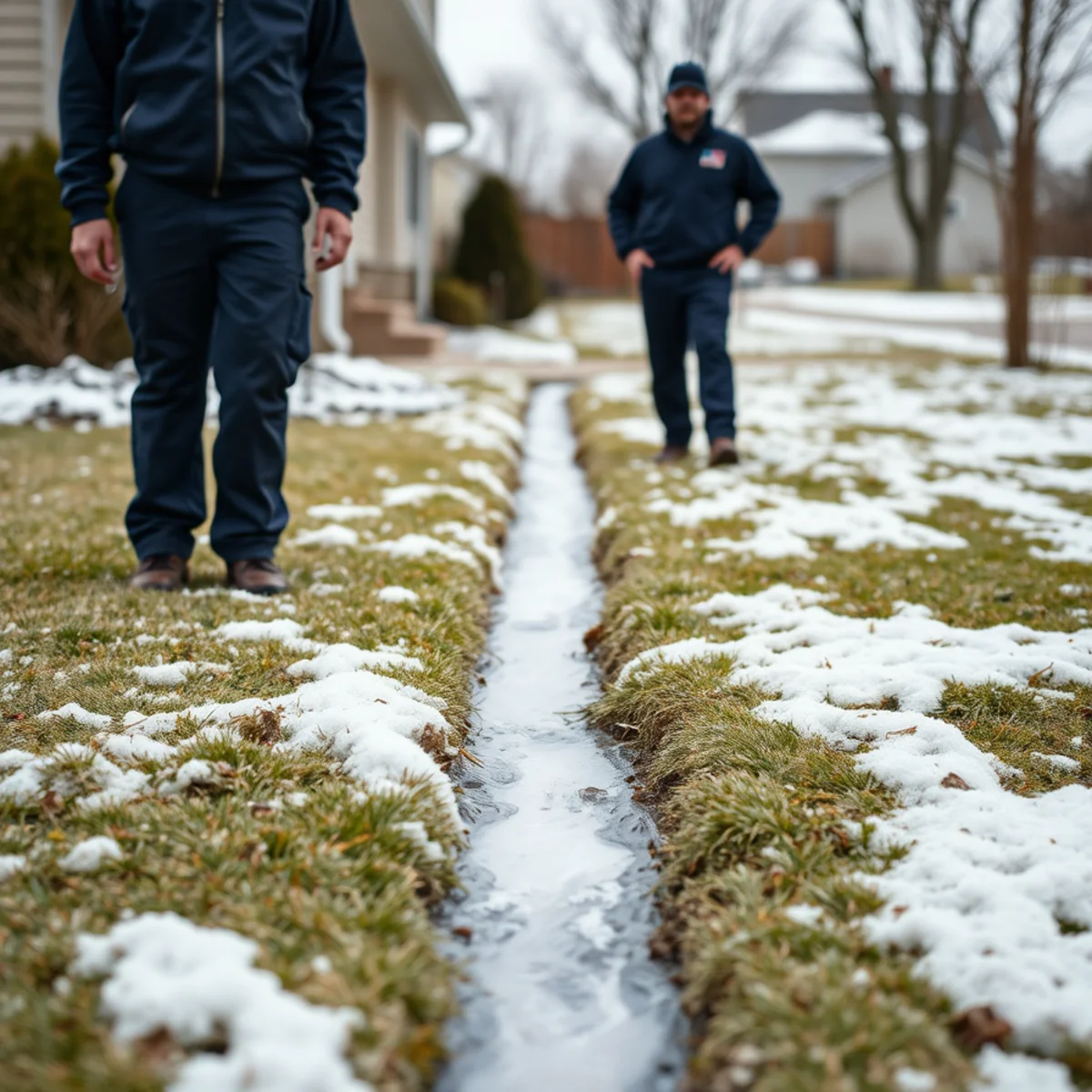
The reason is mechanical rather than sentimental. Snowmelt cannot soak into ground that is still frozen a foot down, so it runs sideways along that frozen layer and finds the loose backfill next to your foundation. Our heavy clay soil holds what does arrive rather than draining it. Then a spring storm parks over the county and adds two inches of rain to ground that is already at capacity.
Every sump pit in the subdivision runs continuously for days, usually during a week when a storm system has also knocked the power out. It is not bad luck. It is an annual event you can prepare for.
1. Test the sump pump — properly
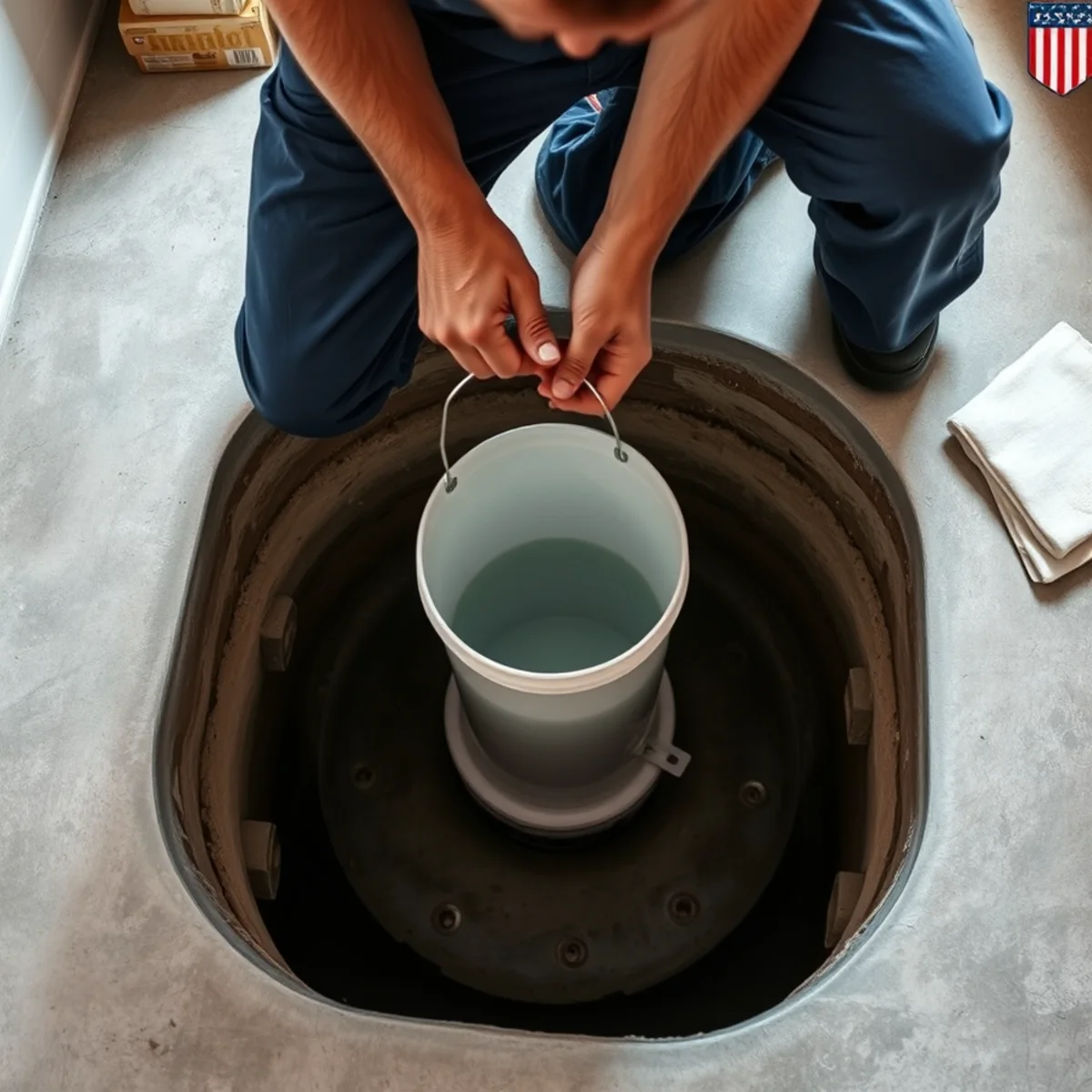
Pour five gallons of water into the pit and watch. Not a trickle from a hose — a full bucket, so the float actually has to work.
The pump should start within about ten seconds, move the water briskly, and shut off cleanly without immediately restarting. If it hesitates, hums before it starts, sounds labored, or short-cycles, get it looked at now rather than in April.
While the lid is off, check three more things. The float should swing freely without touching the pit wall or the discharge pipe. Look for the orange sludge of iron bacteria, which is common in McHenry County groundwater and is a leading cause of pumps that look fine and do nothing. And note the pump's age — seven to ten years is a normal service life here, less if your pit runs year-round.
2. Test the backup, and mean it
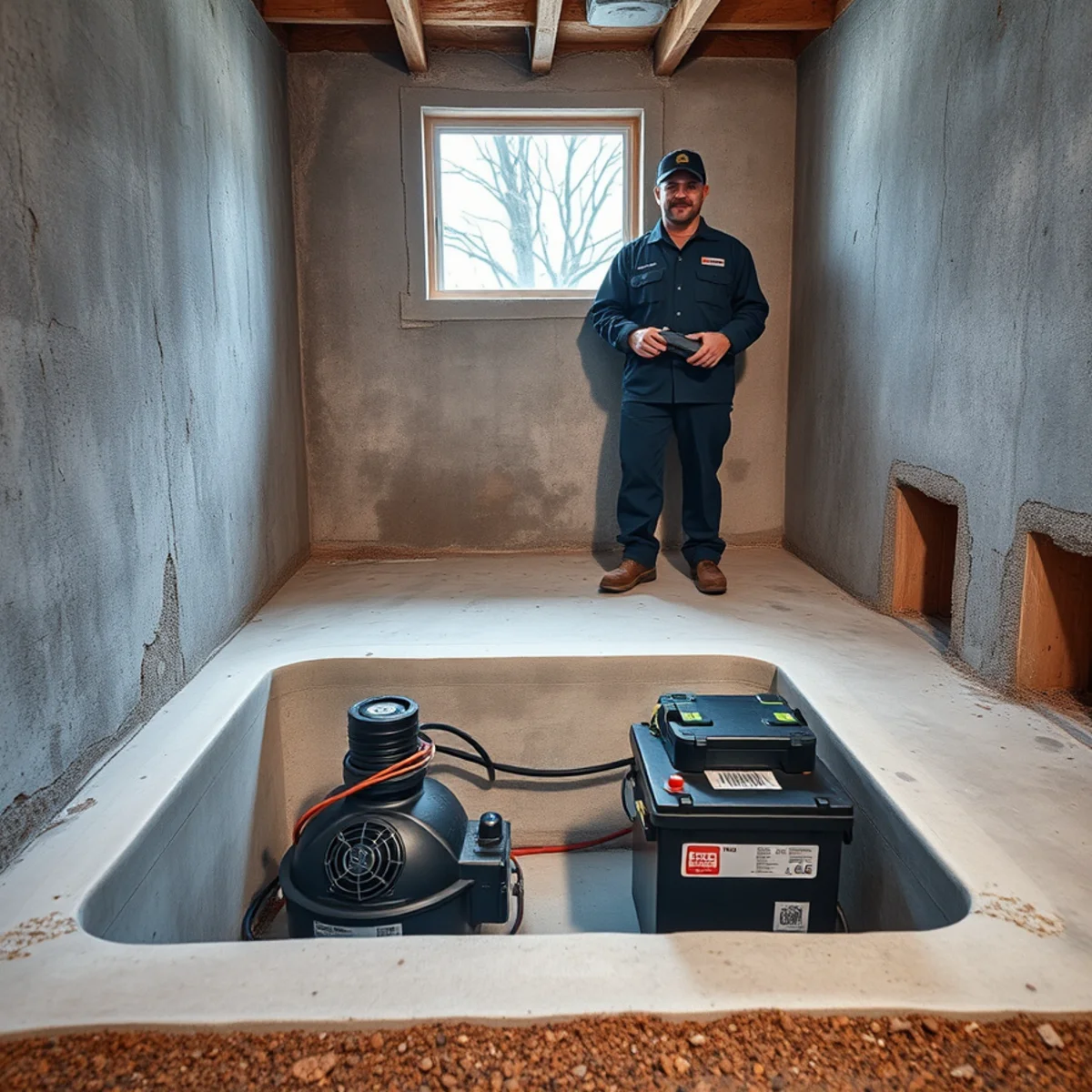
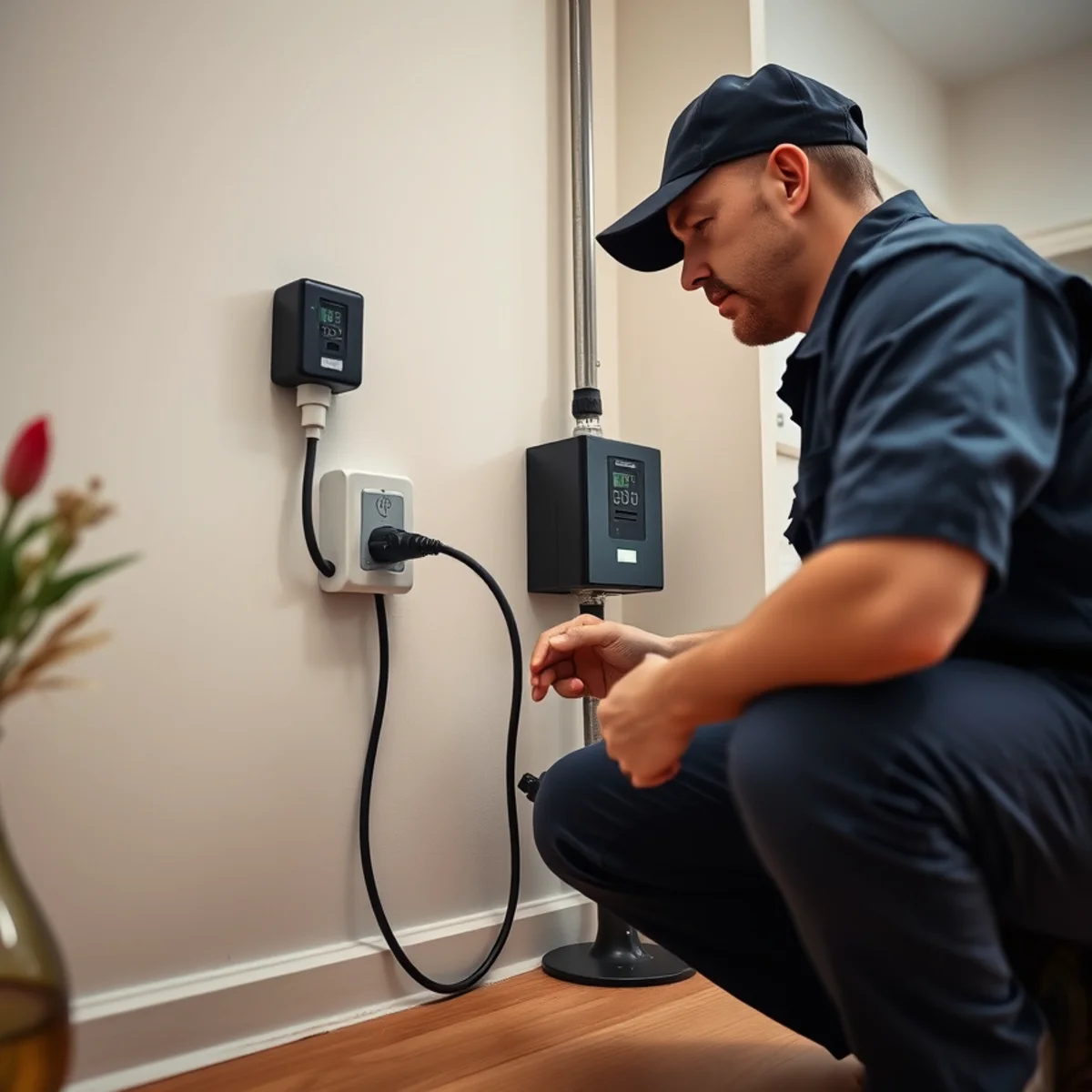
Unplug the primary pump and confirm the backup actually takes over. A backup nobody has tested is decoration.
Check the battery terminals for corrosion and confirm the charger indicator shows a healthy charge. Batteries degrade quietly rather than failing visibly, so plan on replacement every three to five years regardless of how it looks.
If you do not have a backup and your basement is finished, this is the month to fix that. The storm that overwhelms your pump is statistically the same storm that takes out the power, which is the entire argument for a battery backup system.
3. Follow the water outside
Put on boots and walk the perimeter while there is still snow on the ground. This tells you more than anything you can check indoors.
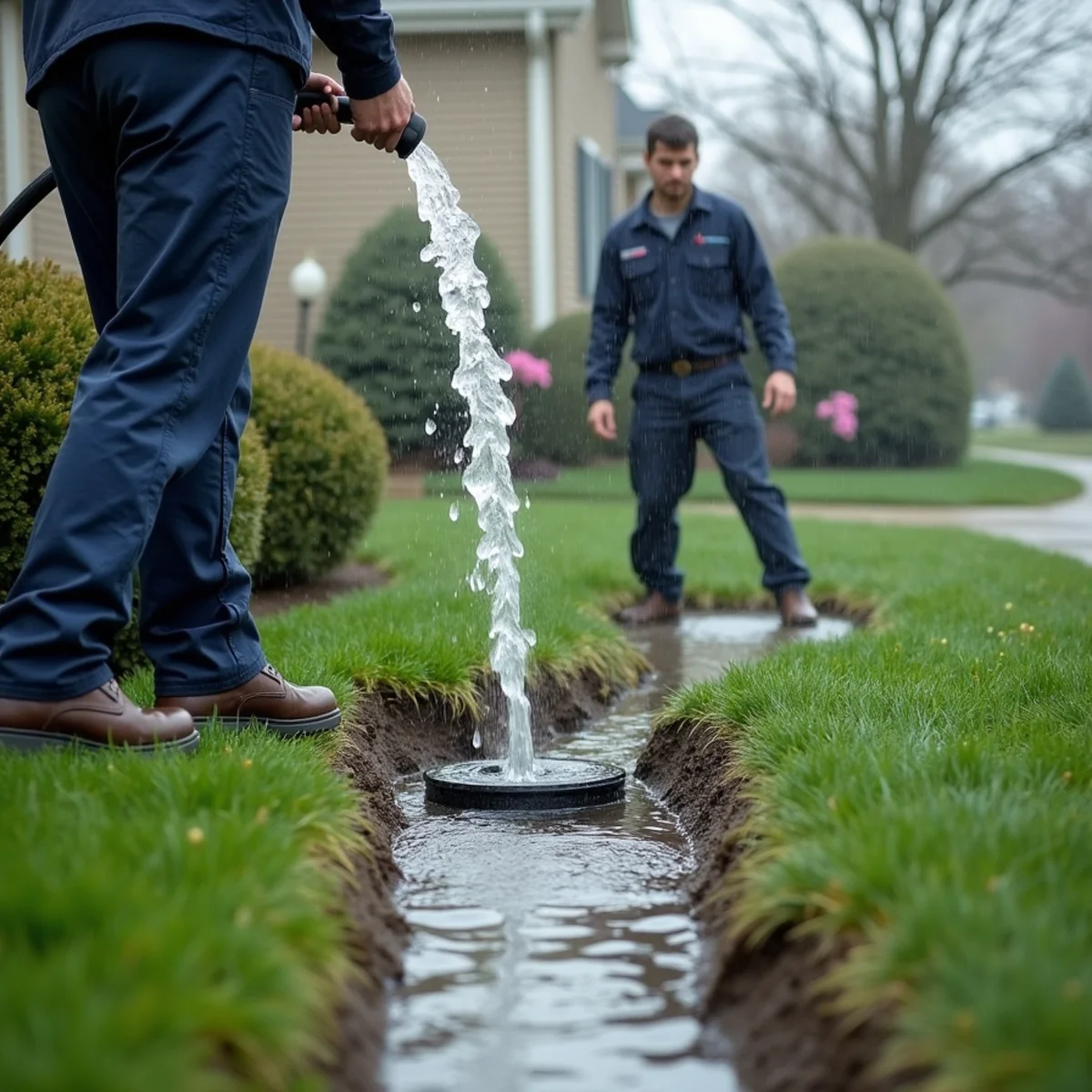
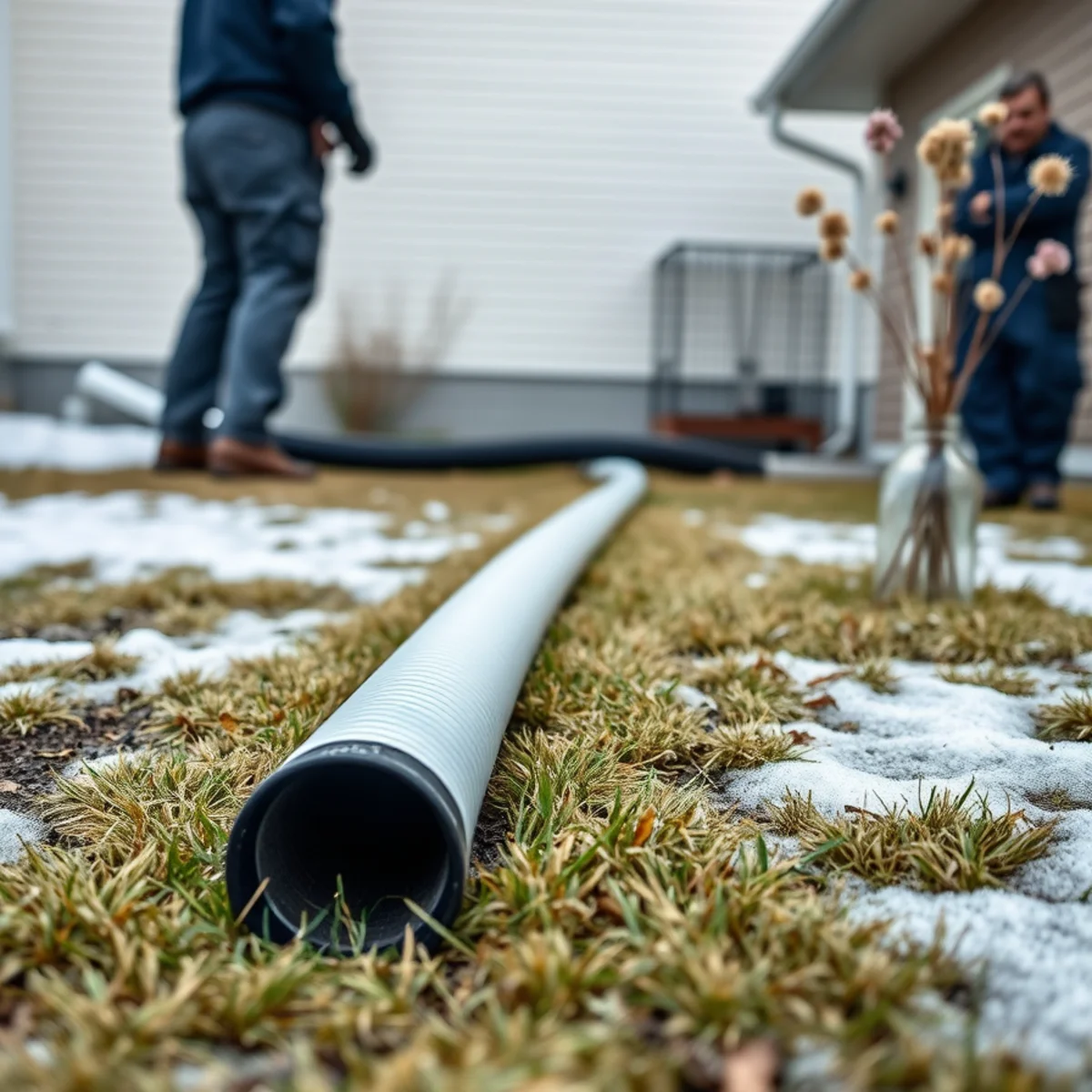
Where is the sump discharge going? If it dumps three feet from the foundation onto saturated clay, you are recirculating the same water and your pump is doing double duty for nothing. It needs to carry water genuinely away.
Is the discharge outlet frozen or buried? A pump running against a blocked discharge burns out. Are the downspouts extended at least six feet from the house? Roof water is an enormous volume and sending it into the same backfill your drain tile has to handle is self-defeating. Does the grade slope away from the foundation, or has it settled into a bowl over the years?
4. Check the water heater before summer demand
Spring is the sensible time for this because you are not competing with a heating emergency for a plumber's attention.
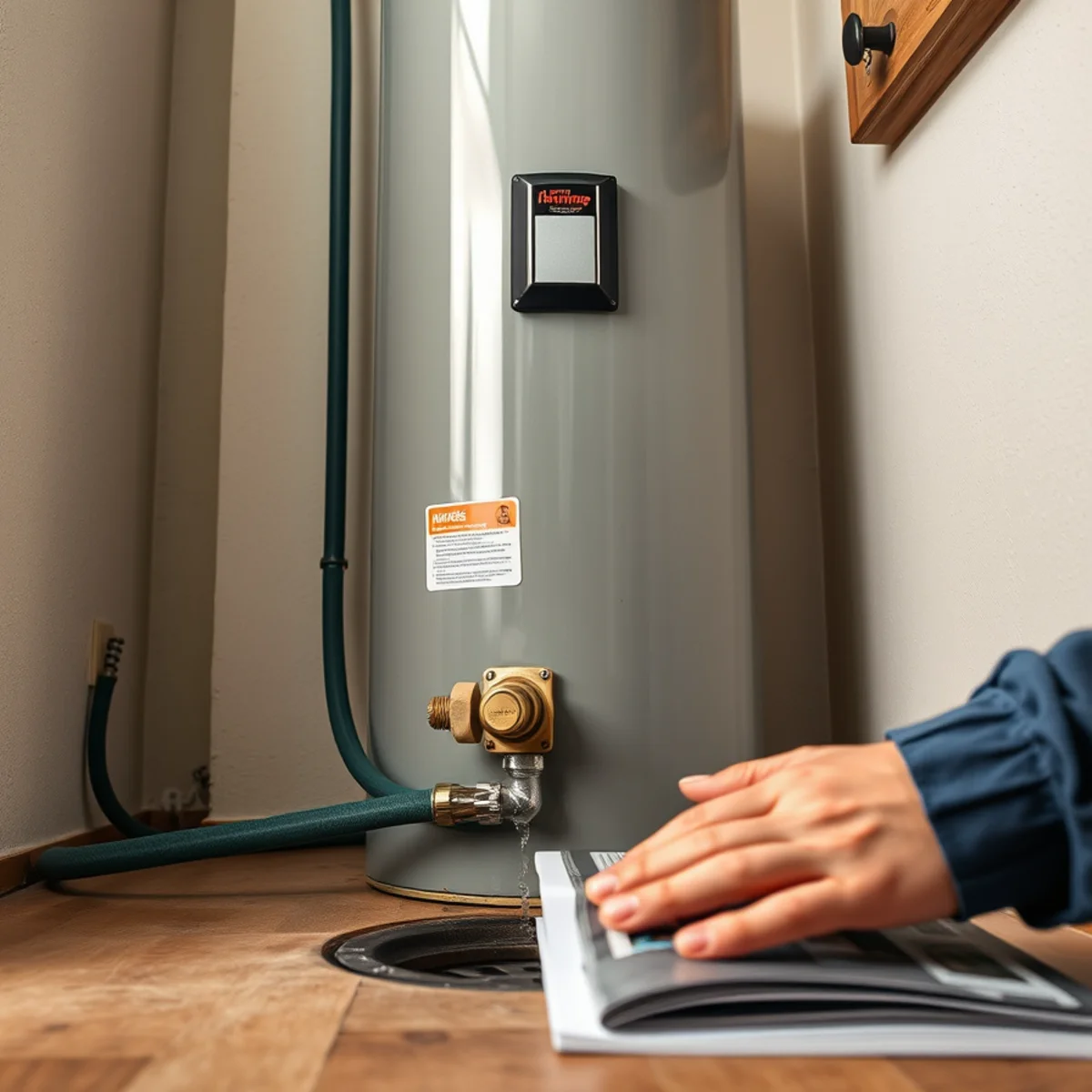
Listen while it fires. Rumbling or popping means sediment, and in 26 to 28 grain water that accumulates faster than the manufacturer assumed. Look for moisture or rust staining at the base. Run the hot tap and check for discolouration with the cold running clear.
Then flush it. Kill the power or set the gas to pilot, hook a hose to the drain valve, and run until the water is clear. If yours has never been flushed and it is more than a few years old, have a plumber do the first one — a drain valve sealed shut with scale can snap off.
5. Turn the outdoor water back on carefully
This is where winter damage reveals itself, and doing it deliberately limits what it costs.
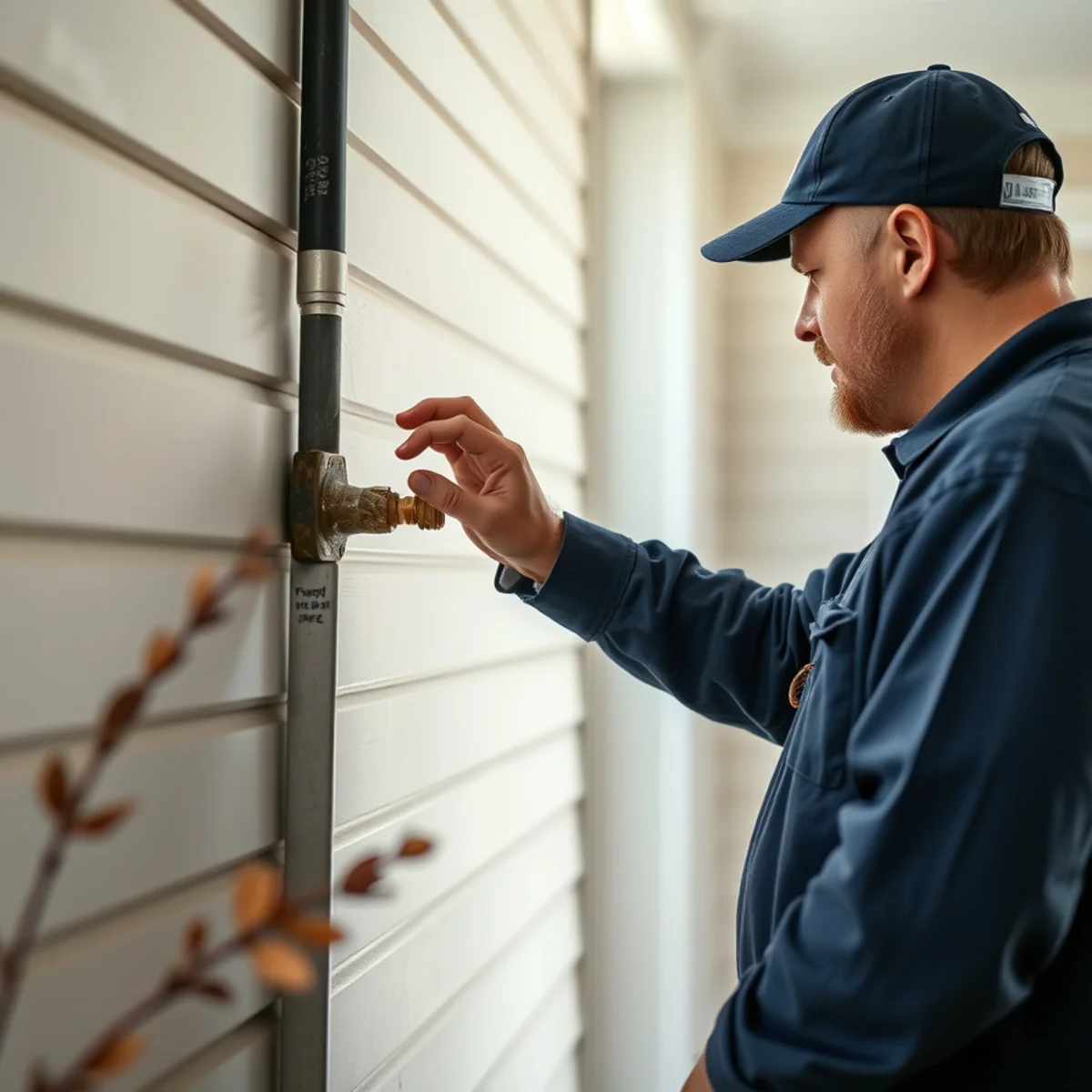
Go inside first and open the interior shutoff for the outdoor line while someone watches the spigot outside. Then turn the spigot on and watch and listen — at the spigot and at the interior pipe.
If water appears at the wall rather than out of the tap, or you hear water running inside with the spigot closed, shut the interior valve immediately. That is a freeze split, usually behind the siding, and every minute is water in the wall cavity. Our hose bib and spigot repair page covers the fix.
6. Book the seasonal work now, not in April
Two things collide in our calendar every spring, and it is worth knowing about if you want a date.
Sump pump season and pond cleanout season arrive at the same time. From March onward the schedule fills, and the homeowners who called in February get the times they wanted while the ones who called after the first big storm are waiting behind emergency calls.
The work worth booking ahead: a sump system inspection and any pump replacement, a sewer camera inspection if you have had backups before (saturated ground in May and June puts pressure on older lines, which is when root-intruded laterals give up), the water heater flush, and a pond cleanout if you have a water feature. Homeowners across Lake in the Hills and Algonquin book these from late winter, and the calendar does not get emptier.

Quick answers
When should I do spring plumbing maintenance in Illinois?
Late February to early March, before the thaw is fully underway. That gives you time to correct anything you find while it is still a scheduled job rather than an emergency during the first big spring storm.
Why does my basement only get water in spring?
Snowmelt cannot soak into frozen ground, so it runs along the frozen layer into the loose backfill beside your foundation. Our clay soil holds water rather than draining it, so the ground stays saturated for days. It is the wettest condition your foundation sees all year.
How do I test a sump pump?
Pour five gallons into the pit — a full bucket, not a trickle. The pump should start within about ten seconds, move the water briskly, and shut off cleanly. Hesitation, humming, labored sound or short-cycling all mean have it looked at before April.
Need a hand with this?
Talk to the plumber who wrote this
We are a licensed, owner-operated shop on Pine Street in Lake in the Hills. Free written estimates on non-emergency work, and a real person answering the phone when it cannot wait.
- 5.0 from 11 Google reviews
- Licensed & insured
- 24/7 emergency service