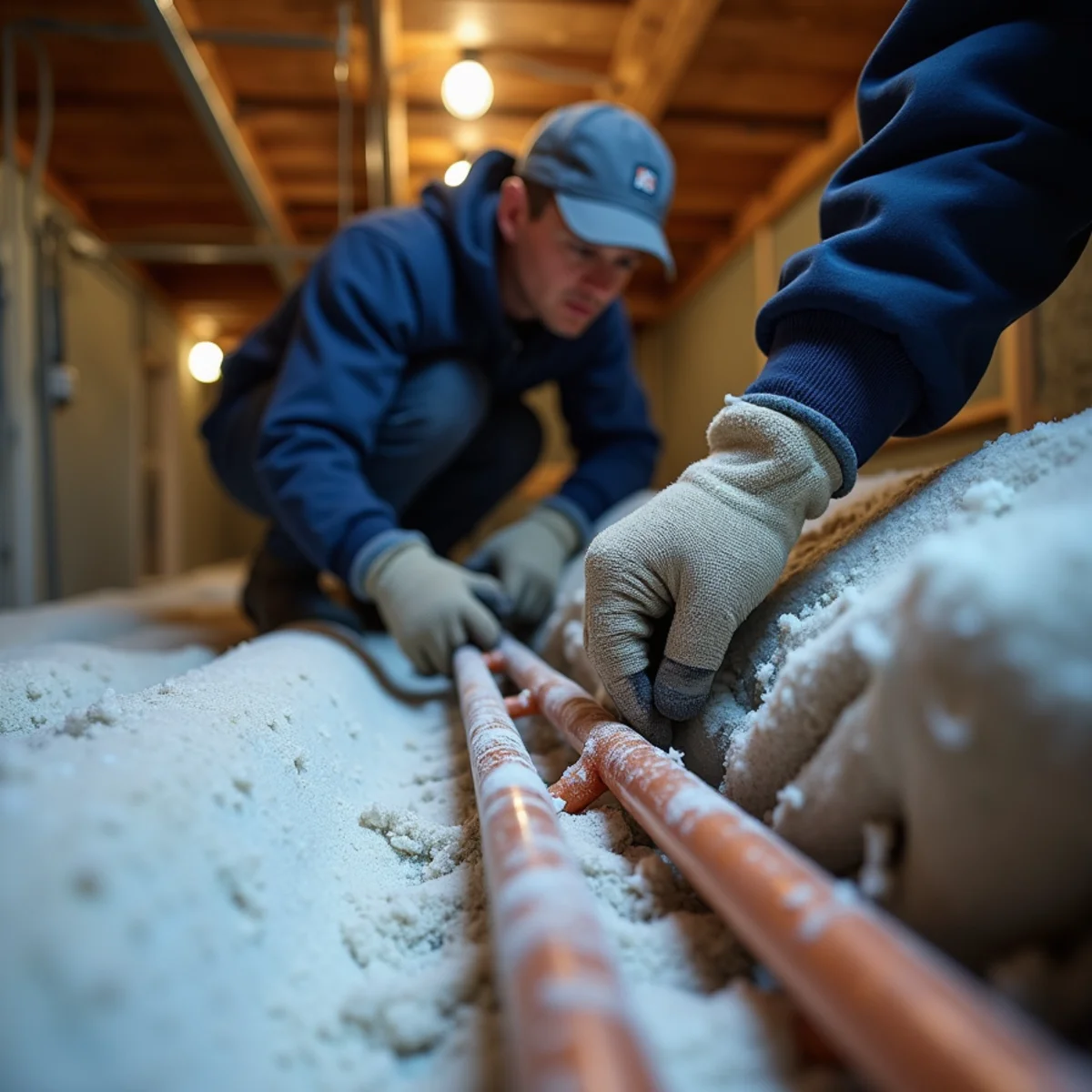
Seasonal
Winterizing Outdoor Faucets & Hose Bibs
Disconnecting the garden hose is the highest-return five minutes in home maintenance. Here is the rest of the fall routine.
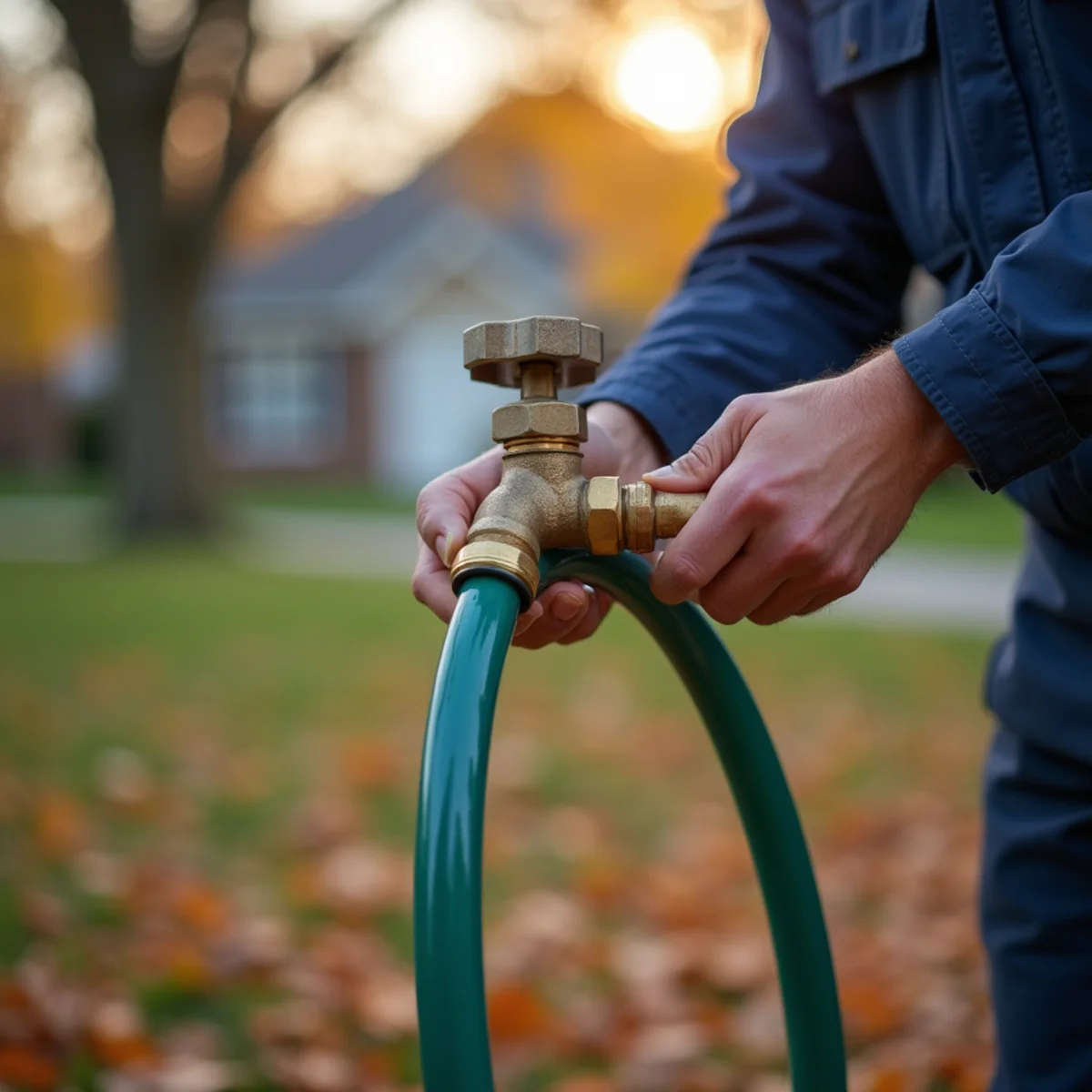
Of everything on a fall home maintenance list, this one has the best return per minute spent.
The failure is completely predictable. A garden hose stays connected through the fall. Water sits trapped in the hose bib on the outside of the valve. The first hard freeze expands it, and the bib or the pipe just inside the wall splits. Nothing happens all winter — the valve is closed and the line is frozen anyway.
Then in April someone turns the spigot on and water pours into the wall cavity behind the siding rather than out of the tap. By the time it appears on the inside of the drywall, it has been running long enough to matter.
The five-minute routine
Do this before Thanksgiving and you will almost certainly never think about it again.
- Disconnect every garden hose. This single step prevents the large majority of hose bib freeze failures. Drain the hoses and store them somewhere they will not freeze solid.
- Remove quick-connect fittings, splitters and timers. These trap water even after the hose is off, and they are exactly the sort of thing that gets overlooked.
- If you have interior shutoffs for the outdoor lines, close them, then open the outdoor spigot to drain the section in between.
- Leave the outdoor spigot open through the winter once drained. Any water that does get in then has room to expand rather than splitting something.
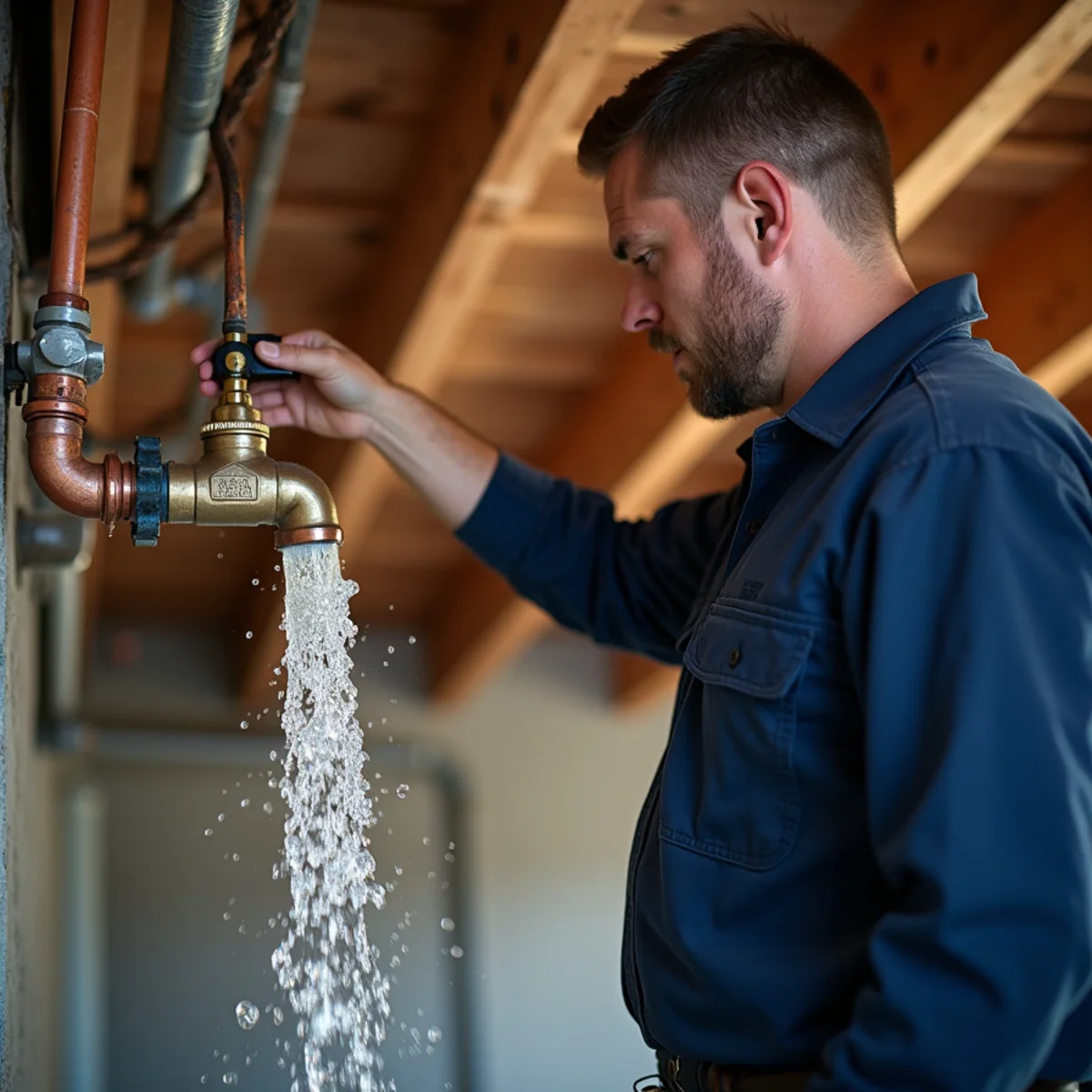
- On a frost-free bib, confirm it actually drains. Water should stop within a few seconds of closing the valve. If it keeps dribbling, the pitch is wrong and it is holding water.
- Walk the perimeter and check you have found all of them. Most homes have at least two spigots and plenty have three or four, including one nobody remembers on the far side of the garage.
Frost-free bibs are not freeze-proof
This is the most common misunderstanding on the subject, and it costs people real money every spring.
A frost-free sillcock has a long stem so the actual valve seat sits eight to twelve inches inside the wall, within the heated space. The exposed section is supposed to drain by gravity each time you close it, leaving nothing standing in the cold part.
Two things defeat that. First, it only drains if it was installed with a slight downward pitch toward the outside. Installed dead level — which happens more often than it should — it holds water and freezes exactly like a standard bib. Second, and this is the big one, it only drains if the hose is disconnected. A frost-free with a hose attached traps water in the stem and the entire design is bypassed.
So the fall routine still applies even on a good bib. If yours dribbles for more than a few seconds after closing, it is not draining, and that is worth having looked at before winter rather than after.
Irrigation systems need more than a shutoff
A lawn irrigation system holds water in dozens of feet of buried lateral piping and in every sprinkler head. Simply closing a valve does not empty it.
The standard approach is a compressed air blowout — connecting to the system and blowing each zone clear in turn. Done at the wrong pressure it damages heads and seals, so this is genuinely worth having done properly rather than with a shop compressor and optimism.
The part people forget is the backflow device. An RPZ on an irrigation line is full of water with a relief port open to atmosphere, and left unprotected through a McHenry County winter it will freeze and crack. You find out in April when it dumps water across the side yard. Our backflow prevention and testing page covers winterization and the annual test that goes with it.
The rest of the outdoor water
A few things that are not spigots but freeze the same way.
Pond and water feature plumbing. Depending on the design, that means either shutting down and draining the pump and any exposed lines, or running the feature through winter deliberately. Both are valid; what does not work is leaving a pump sitting in a partially frozen skimmer. If you have a feature we built, we will tell you which approach yours wants.
Outbuilding and barn water. Any line running to a detached garage, workshop, barn or hydrant needs isolating and draining if the building is unheated. On estate properties around Bull Valley and Barrington Hills these are the most commonly forgotten runs and the most annoying to repair.
Pool equipment, outdoor kitchens and any hose bib on a deck or second-floor balcony. Same principle: if it holds water and it is outside the heated envelope, it needs emptying.
If you already found a split
You will usually discover it the first time you turn the spigot on in spring. Water appears at the wall, or you hear running water inside with the spigot closed.
Shut the interior valve immediately if there is one. If there is not, shut the main. Then look inside — a basement or crawl space below that wall will often show you exactly where the water has been going.
Then call. It is a small repair caught early and a drywall-and-framing job caught late. And while we are there, adding an interior shutoff with a drain — if your home does not have one — turns next year's winterization into a genuinely two-minute task. Our hose bib and spigot repair page covers what is involved.
Quick answers
Do I really need to disconnect the garden hose in winter?
Yes, and it is the single most important step. A connected hose traps water in the bib where it can freeze, and it defeats a frost-free sillcock entirely by preventing it from draining.
Should I leave outdoor spigots open or closed over winter?
Open, once the line has been drained. That way any water that does find its way in has somewhere to expand rather than splitting the bib or the pipe.
When should I winterize outdoor plumbing in Illinois?
Before Thanksgiving is a reliable rule for McHenry County — comfortably ahead of the first sustained hard freeze, and early enough that you are not doing it in the dark on a cold evening.
Need a hand with this?
Talk to the plumber who wrote this
We are a licensed, owner-operated shop on Pine Street in Lake in the Hills. Free written estimates on non-emergency work, and a real person answering the phone when it cannot wait.
- 5.0 from 11 Google reviews
- Licensed & insured
- 24/7 emergency service