Hard Water
Does Lake in the Hills Have Hard Water?
Short answer: yes, and it is not close. At 26 to 28 grains per gallon, our water is roughly six times harder than the national average. Here is what that actually does to your house.
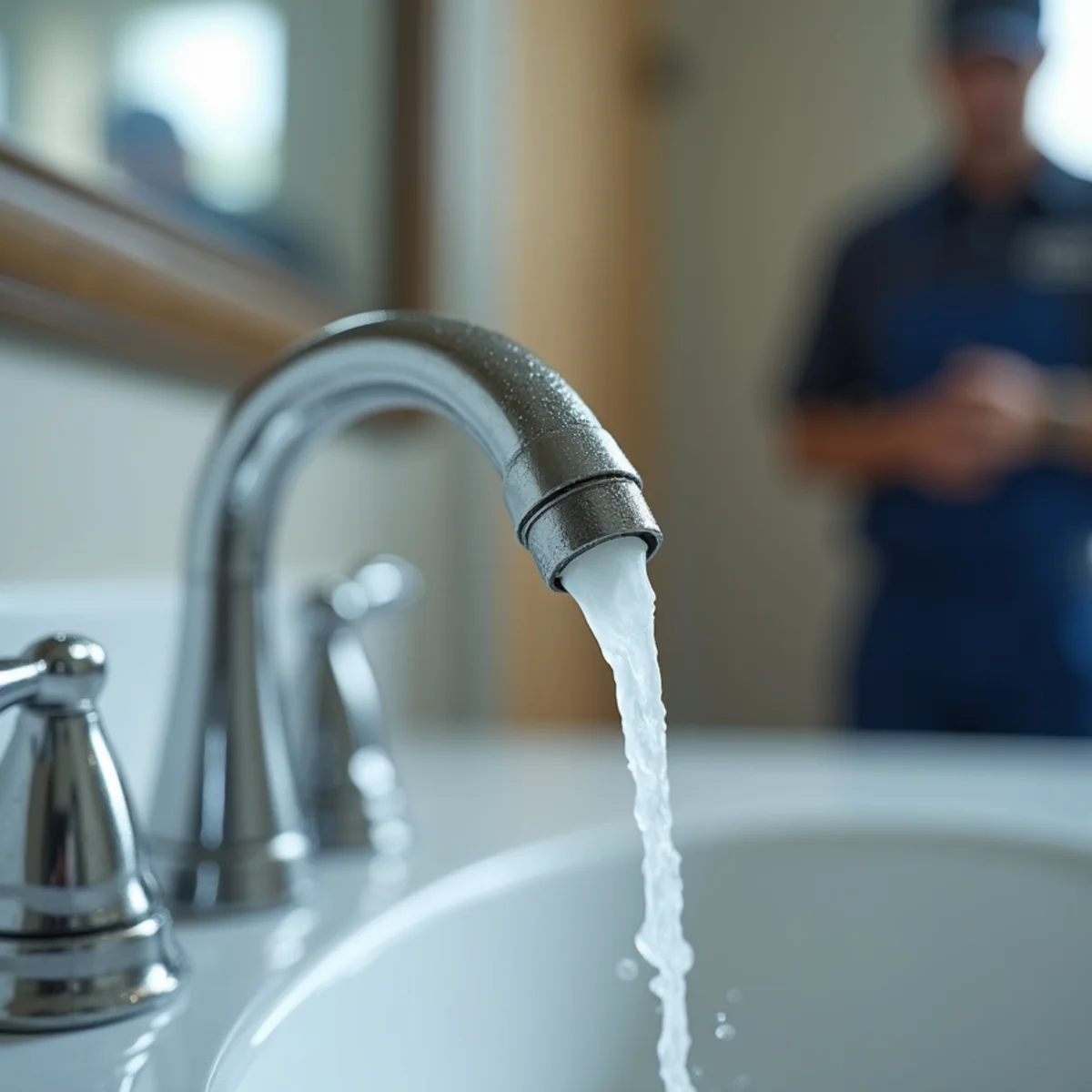
Yes. And it is not a close call.
Lake in the Hills water runs 26 to 28 grains per gallon. The water treatment industry classifies anything above 10.5 grains as very hard. Above 15, most references simply say extremely hard and stop grading. We are nearly double that ceiling, and roughly six times the national average of about four to five grains.
If you moved here from somewhere on Lake Michigan water — Chicago, Evanston, or the eastern suburbs — you noticed within a week. The soap stopped lathering. The dishes came out spotted. The shower door developed a film you cannot scrub off permanently.
What a grain per gallon actually means
A grain per gallon is a measure of dissolved calcium and magnesium. One grain equals about 17.1 milligrams per liter, so our 27-grain average works out to roughly 460 milligrams of dissolved mineral in every liter that comes out of your tap.
A family of four using around 280 gallons a day is running about 7,500 grains of mineral through the plumbing daily. Over a year, that is a genuinely large quantity of calcium and magnesium passing through your pipes, your water heater and every appliance connected to them.
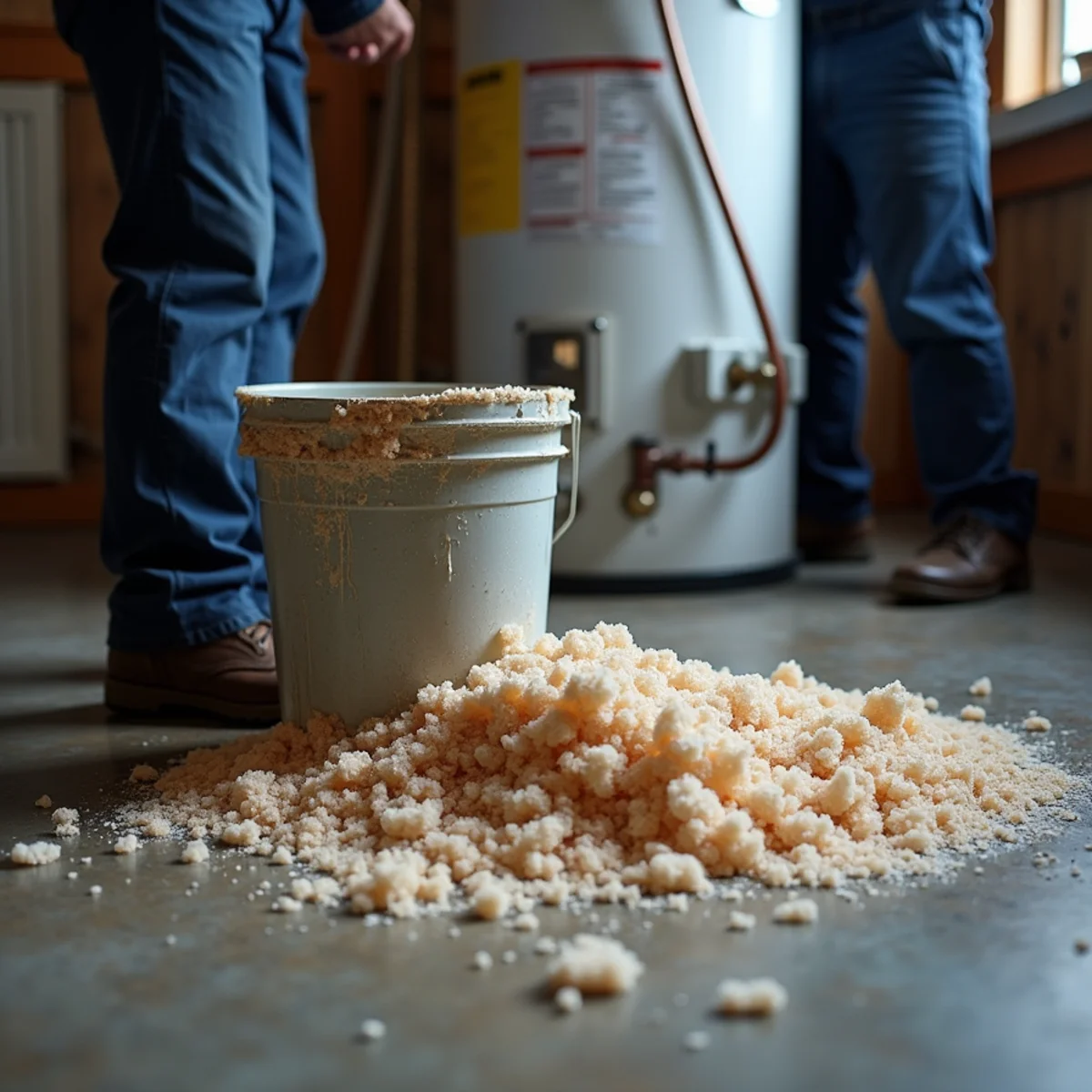
Most of it goes down the drain. But not all of it. Every time water is heated, minerals precipitate out of solution and stay behind. Every time water evaporates off a surface, the mineral it was carrying stays behind. That accumulation is the entire problem.
Is it safe to drink?
Yes. The Village of Lake in the Hills publishes annual water quality reports, and the supply meets federal standards. Hardness is not a contaminant — calcium and magnesium are minerals people pay money to take as supplements.
Hardness is a nuisance and equipment problem, not a health problem. It is worth being clear about this because some water treatment sales approaches blur that line, and they should not. Nobody in this village needs a softener for safety reasons.
What you may want, separately, is better-tasting drinking water. That is a filtration question rather than a softening question, and the two solve genuinely different problems.
What hard water actually costs you
Here is where it stops being an inconvenience and starts being money.
- Water heaters. Sediment builds on the tank bottom and insulates the burner from the water it is trying to heat. Efficiency drops, the steel above the sediment overheats, and a tank that should give twelve years commonly gives eight to ten here.
- Dishwashers and washing machines. Scale coats heating elements and fouls valves. Hard water homes routinely see these appliances fail a third earlier than their rated life.
- Faucet and shower cartridges. Mineral seizes the small moving parts inside valves. Stiff handles and a shower that will not hold temperature are the usual symptoms.
- Pipe interiors. Scale narrows the bore, especially on hot lines, reducing flow gradually enough that most homeowners never notice it happening.
- Soap and detergent. Hardness minerals bind with soap instead of foaming, so you use noticeably more of everything — laundry detergent, dish soap, shampoo — for the same result.
- Cleaning time. The film on shower doors, the ring in the toilet, the crust on the kettle. All of it comes back because the water keeps delivering more.
The thing most people get wrong about softeners
Sizing. It is not a minor detail — it is the whole ballgame here.
A softener is rated in grains of capacity between regenerations. Divide that capacity by your household's daily grain load and you get how many days it runs before it has to regenerate. A well-set-up system regenerates every three to five days.
Take a 32,000-grain unit — a common builder-grade size — in a four-person household at 27 grains. Daily load is around 7,500 grains, and softeners only deliver a fraction of their nominal rating efficiently. That unit is regenerating almost daily. It burns salt, wears the resin out years early, and still lets hard water through during regeneration.
That is why so many homeowners in Lake in the Hills, Huntley and Gilberts tell us their softener 'never worked right.' It worked exactly as a too-small unit works. Our water softener installation page walks through the sizing math in detail, and we will do the calculation with you before recommending anything.
What about a filter instead?
A filter and a softener do different jobs, and confusing them is the second most common mistake we see.
A softener removes hardness minerals through ion exchange. It protects pipes, water heaters and appliances. It is not primarily about taste.
A filter — carbon, sediment, or a reverse osmosis membrane — removes things you can taste and smell, plus dissolved solids. It does nothing about scale in your water heater.
Most well-equipped homes here have both: a whole-home softener for the plumbing and a compact reverse osmosis system under the kitchen sink for drinking and ice. If you can only do one now, do the softener — it is protecting thousands of dollars of equipment.
Test your own water first
Before you call anyone, buy a hard water test strip at a hardware store and run it. It costs almost nothing and takes two minutes.
Knowing your actual number matters because it is not identical everywhere. Homes on private wells outside village limits — parts of Bull Valley and rural McHenry County — can be higher or lower and frequently carry iron, which changes the treatment plan entirely.
If you are on village supply, you will land in the 26 to 28 range. If you are on a well, get a proper test done before anyone sells you equipment, because iron has to be handled ahead of softening or the resin fouls and the softener quietly stops working.
The bottom line
Lake in the Hills has some of the hardest municipal water in northern Illinois. It is safe, it is compliant, and it is going to keep eating your appliances until you do something about it.
A correctly sized softener is not a luxury purchase in this village. Between water heater life, appliance life, fixture life and detergent, it is the cheapest form of plumbing insurance available here — which is why every recommendation we make starts with the water rather than the symptom.
Quick answers
How many grains per gallon is Lake in the Hills water?
26 to 28 grains per gallon, which the water treatment industry classifies as extremely hard. The national average is around four to five grains, so local water is roughly six times harder.
Is hard water bad for your health?
No. Calcium and magnesium are dietary minerals, and the Village's water quality reports confirm the supply meets federal standards. Hardness is an equipment and nuisance problem, not a safety one.
Will a water softener remove the chlorine taste?
No — softening and filtration are different processes. A softener removes hardness minerals to protect your plumbing. For chlorine taste and odor you want carbon filtration or a reverse osmosis unit at the kitchen sink.
Need a hand with this?
Talk to the plumber who wrote this
We are a licensed, owner-operated shop on Pine Street in Lake in the Hills. Free written estimates on non-emergency work, and a real person answering the phone when it cannot wait.
- 5.0 from 11 Google reviews
- Licensed & insured
- 24/7 emergency service